#Product Trends
Planning Payment Device Workflows for High-Traffic Operations
Procurement teams should evaluate device placement, peak utilization, charging readiness, and accessory standardization before expanding mobile payment fleets.
Mobile payment deployments are increasingly used across retail, hospitality, restaurants, event operations, and other high-traffic service environments. For procurement, IT, and operations teams, selecting the payment terminal is only one part of the deployment.
The supporting infrastructure should also account for where devices will be used, how many terminals may be required simultaneously, how equipment will be stored between transactions, and how consistent the setup needs to be across locations.
Define Fixed and Mobile Deployment Points
Payment hardware should be assigned according to the operating model.
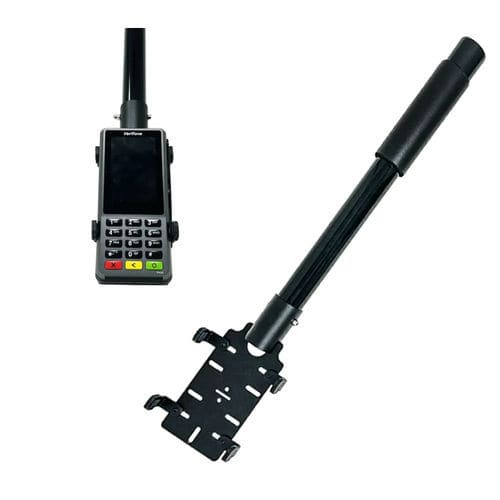
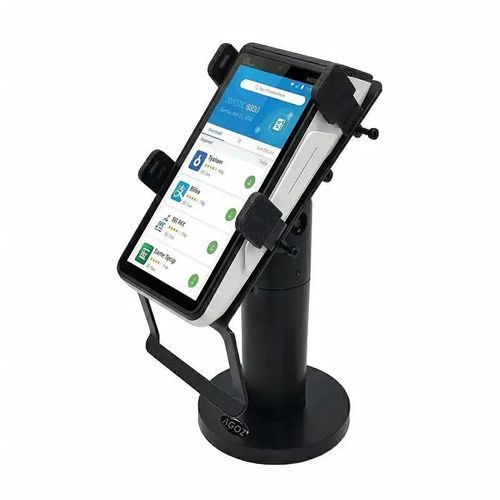
Fixed terminals are typically positioned at checkout counters, reception areas, service stations, or other permanent transaction points. In these locations, stands and mounting systems can provide a defined installation position, support cable organization, and create a repeatable workstation configuration.
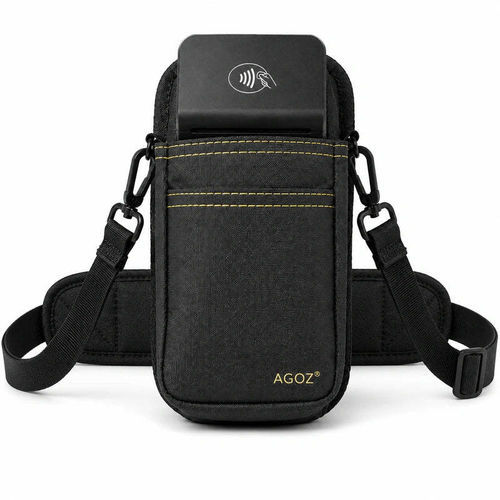
Mobile terminals serve a different requirement. They provide transaction capability at tables, temporary checkout areas, service floors, or other locations where employees need to move with the customer.
Many organizations require both. Determining that mix before purchasing accessories can reduce unnecessary variation and simplify deployment planning.
Procure for Peak Concurrent Use
Average transaction volume does not necessarily indicate how many devices an operation needs.
The more useful procurement question is how many employees may require payment capability at the same time. Restaurants, retailers, hotels, and event operations can experience concentrated periods when several terminals are required within a short service window.
Teams should therefore evaluate concurrent device demand, assigned versus shared equipment, backup requirements, and the ability to activate additional payment points when traffic increases. This approach can help balance adequate capacity against purchasing terminals that remain unused during normal operations.
Include Charging and Staging in the Deployment
A terminal that is unavailable, discharged, or stored in an unknown location does not contribute to operational capacity.
Shared mobile devices should have defined staging and return locations. Charging equipment, carrying solutions, and storage practices should be considered alongside the terminals themselves so devices can be prepared before high-demand periods and returned consistently after use.
Backup equipment should follow the same process. Procurement planning should therefore consider not only the number of terminals purchased, but also the infrastructure required to keep the fleet operational.
Standardize Where Practical
For organizations operating multiple locations, accessory standardization can reduce complexity.
Using consistent stands, mounts, holsters, charging equipment, and deployment practices can simplify purchasing, replacement planning, employee training, and rollout of additional locations. Standardization also gives procurement teams a clearer baseline when device fleets expand or terminal models change.
The objective is not to create one configuration for every environment. It is to establish a repeatable framework that can be adjusted where operational requirements differ.
AgozTech supports B2B organizations with mounting, carrying, protection, and charging solutions for enterprise POS and payment terminals. By treating accessories as part of the deployment architecture rather than as an afterthought, organizations can build payment workflows that are easier to scale, maintain, and support across high-traffic operations.