#Industry News
Trace Moisture Measurement in SF₆ Gas
Why Managing Trace Moisture is Key to SF₆ System Performance and Safety
Why Moisture Measurement Matters in SF₆ Insulated Equipment
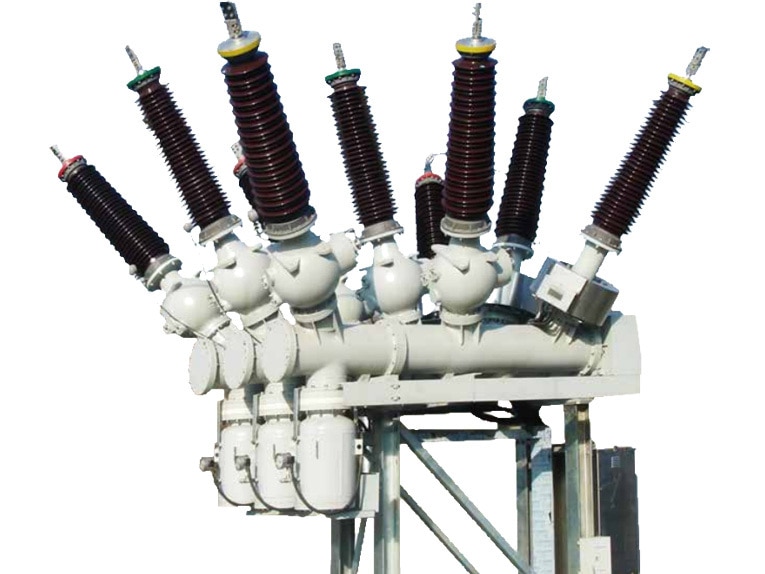
Sulfur hexafluoride (SF₆) is the industry’s go-to insulating and arc-quenching gas in high‑voltage switchgear, circuit breakers, transformers and busbars. Its exceptional dielectric strength and thermal stability enable compact, reliable power distribution but only when gas purity is tightly maintained. Even trace levels of moisture can degrade insulation performance, accelerate corrosion and shorten equipment life. Moisture contamination in SF₆ reduces dielectric strength, increases breakdown risk, and promotes the formation of corrosive byproducts like hydrogen fluoride (HF) during electrical arcing.
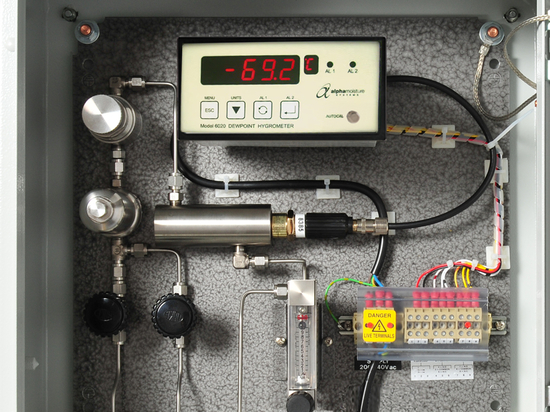
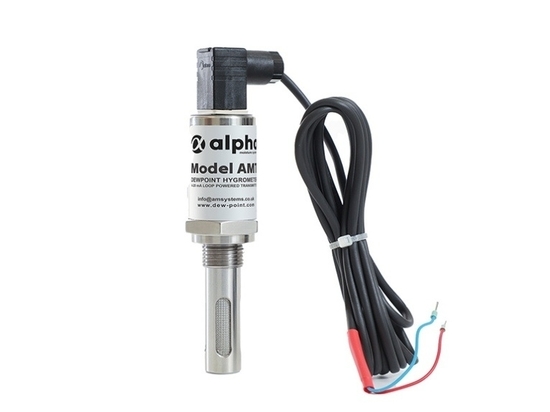
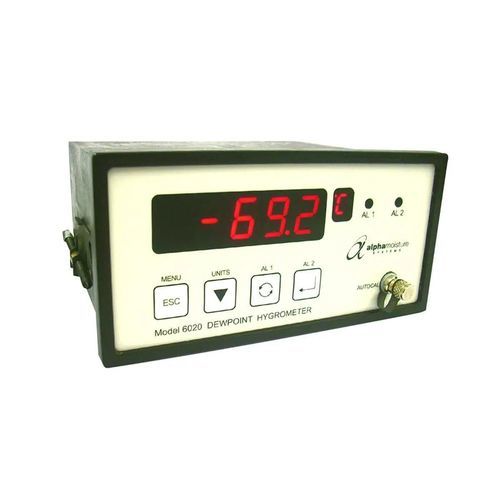
Gas‑insulated systems depend on SF₆ not just for insulation but also for its fast arc‑quenching ability. A dry, inert environment allows the gas to “self‑heal,” recombining reactive byproducts back into SF₆ after each operation, a property that makes GIS installations up to 90% more space efficient than air insulated alternatives. To protect this performance, trace moisture measurement is essential throughout the SF₆ lifecycle. Portable dew point meters enable periodic checks during filling and maintenance, while online trace moisture analysers deliver continuous real‑time monitoring. Advanced aluminium oxide dewpoint sensors provide rapid, reliable detection of water vapour at ppm levels, offering early warnings before moisture related faults occur.
Adhering to international standards such as IEC 60376, IEC 60480 and IEEE C37.122.3 ensures proper gas handling, moisture limits and monitoring practices. Incorporating these measures safeguards equipment integrity, extends service life and helps utilities maintain the reliability and safety of modern power networks.
Please contact us to find out how we can help measure trace moisture in your application.