
#Industry News
From Fixing a Single Display Issue to Enabling a Complete Embedded System
An embedded engineer’s growth journey bridging software logic and hardware reality
From Fixing a Single Display Issue to Enabling a Complete Embedded System
An embedded engineer’s growth journey bridging software logic and hardware reality
Engineering challenges often start from surprisingly simple problems.
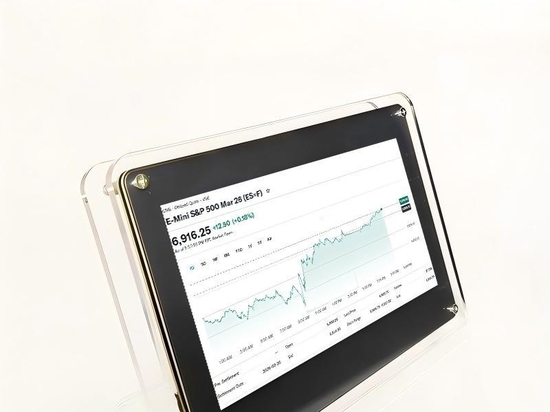
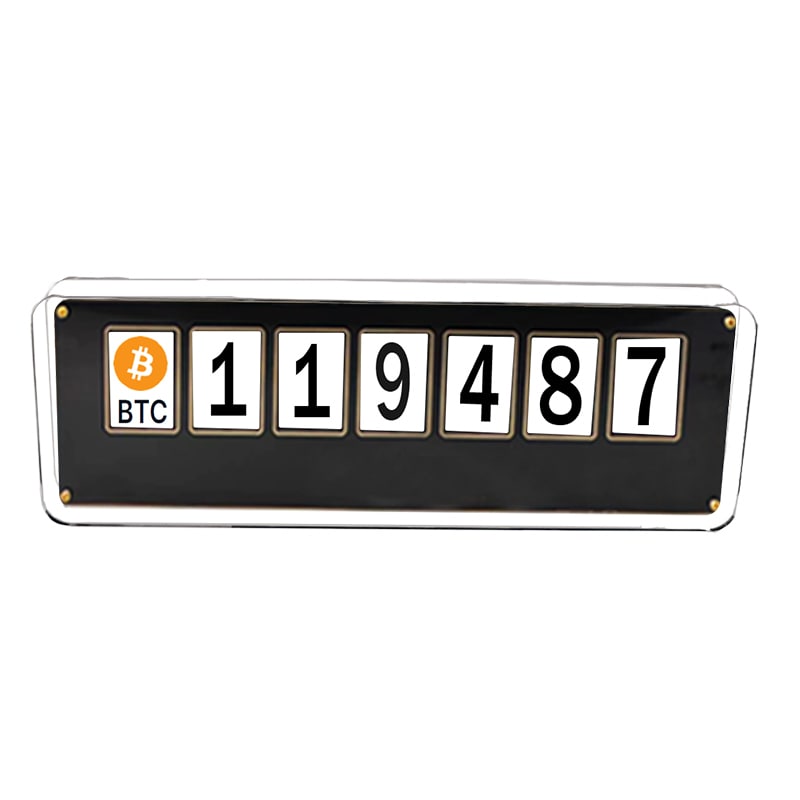
During the development of a new digital clock device, our team encountered a seemingly minor issue: irregular black spots and image distortion appearing on the display. Initially, my supervisor and I focused on improving image quality by adjusting Flash export parameters and replacing higher-resolution image assets. However, despite repeated attempts, edge artifacts stubbornly remained.
At that point, I realized that when repeated optimization within the same dimension fails, a shift in perspective is often required.
We decided to abandon image-based rendering altogether and switched to OSD character display supported directly by the underlying driver. While this new approach quickly improved stability, it introduced a new challenge. Characters that appeared perfectly centered in the development environment shifted noticeably to the left when deployed on real hardware.
With project deadlines approaching, pressure mounted. Together with my supervisor, I traced the entire rendering chain—from software commands to hardware display behavior—step by step on the whiteboard. Eventually, we derived a precise scaling formula that aligned character positioning accurately across platforms. Using this method, multilingual characters in eight languages were finally rendered consistently and centered on the screen.
This experience became an important milestone in my recent professional growth. It helped me understand that the essence of embedded development lies in bridging the gap between software logic and hardware reality. When inconsistencies arise, the ability to connect both domains is a critical engineering skill.
With this understanding, I moved on to a new challenge: low-level debugging of Android-based products.
If the previous task involved fixing a single “point,” this phase required enabling an entire “functional line.” By configuring the device tree (DTS), I worked to bring up core system functions such as Wi-Fi, Ethernet, and audio. This process extended well beyond writing code. Reading hardware schematics often felt like navigating a complex map, requiring a deep understanding of pin definitions and signal routing.
Throughout this journey, collaboration played a crucial role. Hardware engineers acted as reliable guides, helping me grasp the logic behind platform design, while detailed test reports from software QA engineers allowed me to quickly isolate and resolve driver-level issues. This close cross-functional cooperation significantly improved efficiency and problem resolution.
I was never working alone.
Colleagues within the department formed a readily available knowledge network, always willing to share experience. My mentor, who guided me since joining the company, served as a steady reference point—demonstrating not only technical excellence but also a disciplined and responsible professional mindset.
Looking back, my role has gradually evolved. From executing individual tasks, I have grown into an engineer capable of independently enabling system functions and coordinating resources. Starting from resolving a single display bug, I am now able to bring up and stabilize the core functionality of an entire Android-based device.
The journey ahead remains long, but within a strong engineering team, I am confident that I am moving along the right technical path—steadily and with purpose.