
#Industry News
How to Choose the Right Smart Class Board? A Complete Selection Guide by Ansenke Electronics
A practical buyer’s guide to functional configuration, hardware selection, and deployment planning for smart campus projects.
With the rapid development of smart campus construction, electronic smart class boards have become a key component in improving information transparency, student management efficiency, and classroom interaction.
However, with a wide range of suppliers in the market offering different functions, quality levels, and price points, how can schools and integrators select the right smart class board based on real needs rather than marketing claims?
Based on extensive project experience, Ansenke Electronics provides the following comprehensive selection guide to help you make the right decision.
1. Functional Requirement Matching Process
1.1 Core Function Definition
Before selecting hardware, it is essential to clearly define the functional objectives.
Information Display Functions
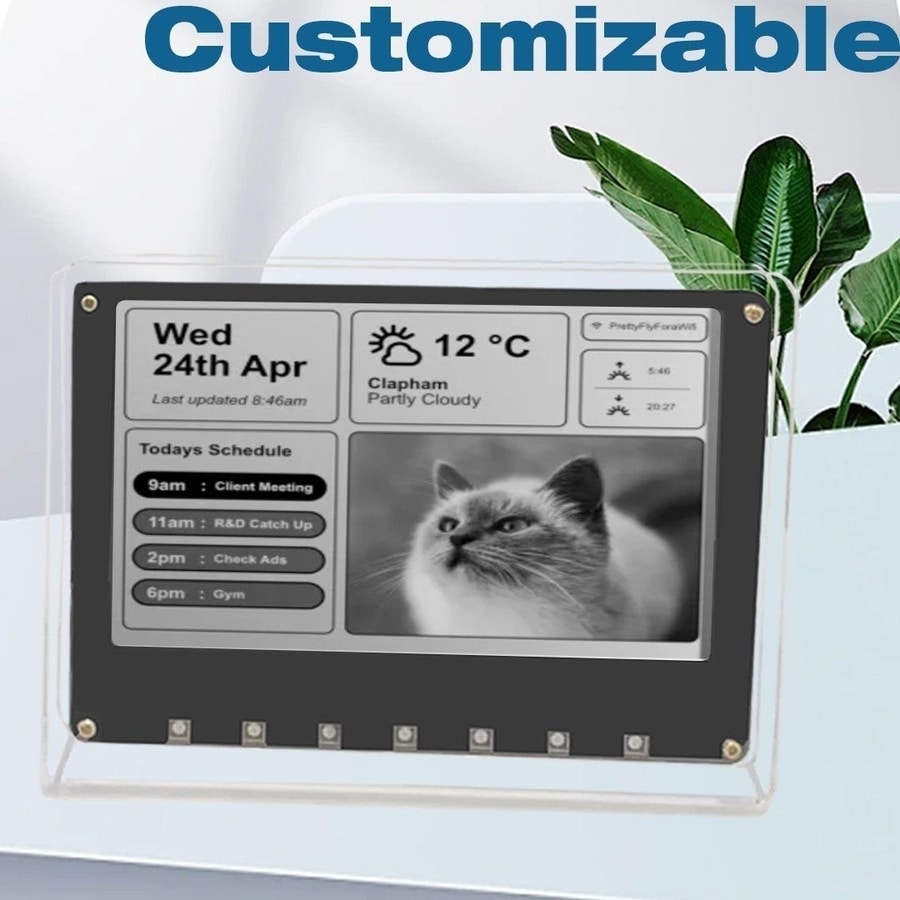
Class schedules and daily announcements
Class honor walls and student showcases
Campus notifications with mixed image, text, and video support
Interactive & Management Functions
Facial recognition attendance
Temperature monitoring
Digital leave application
(Requires 2MP camera and infrared sensor modules)
Environmental Monitoring & Control
Temperature and humidity monitoring
Linkage with lighting and air-conditioning systems
(RS485 or CAN bus interface required)
1.2 Optional Expansion Modules
Different application scenarios require different hardware extensions:
Application Scenario Optional Module Hardware Requirement
Flexible class scheduling NFC card management 13.56 MHz NFC reader
Safety education & alerts Emergency broadcast system Dual-channel speakers
Teaching interaction Classroom response system Bluetooth 5.2 module
2. Hardware Configuration Decision Guide
2.1 Display System Selection
Screen Size Recommendations
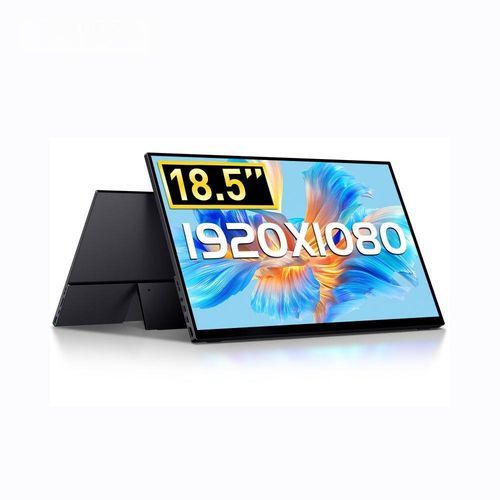
Single classroom: 21.5” (1920×1080)
Public corridors: 32” (2560×1440)
Semi-outdoor areas: High-brightness anti-glare screen ≥500 nits
Touch Technology Options
Standard version: 10-point capacitive touch
Teaching version: Hover touch with anti-mistouch design
2.2 Core Hardware Configuration
Component Standard Version Advanced Version Suitable Scenario
Processor RK3396 quad-core RK3588 octa-core AI analysis / vision-based apps
Memory 4GB DDR4 8GB LPDDR5 Multi-task operation
Storage 32GB eMMC 128GB SSD Local content caching
Connectivity Dual-band Wi-Fi 6 5G cellular Cable-free deployment
2.3 Protection Level Requirements
Standard classrooms: IP54 dust & splash protection
Canteens / gymnasiums: IP65 protection + oil-resistant coating
3. Key Selection Considerations
3.1 Deployment Cost Optimization
Prioritize modular design for future functional expansion
For deployments over 50 units, PoE power supply is recommended to reduce wiring costs
3.2 System Compatibility Verification
Confirm compatibility with existing school platforms
Recommended data protocols: MQTT / HTTP API
Test automatic synchronization with the school timetable system
3.3 Supplier Service Capability Evaluation
Evaluation Item Recommended Standard
Technical support SDK & secondary development support
Delivery cycle ≤45 days from order to installation
Warranty Minimum 1-year full device warranty + spare parts support
4. Typical Configuration Solutions
4.1 Cost-Effective Solution
Budget: ≤ RMB 3,000 / unit
21.5” non-touch display
Quad-core processor + 4GB RAM
Suitable for: Basic class information display in primary and secondary schools
4.2 All-Round Solution
Budget: RMB 5,000–8,000 / unit
32” hover touch display
Octa-core processor + environmental sensor kit
Suitable for: K12 flexible class systems and vocational training rooms
4.3 Fully Customized Solution
Budget: ≥ RMB 10,000 / unit
Outdoor-grade anti-vandal display
5G communication + edge computing module
Suitable for: Special education schools and university smart campuses
(Pricing based on March 2025 hardware market reference; final pricing depends on order volume.)
5. Why Choose Ansenke Electronics
Professional smart class board manufacturer with OEM/ODM capabilities
Modular hardware architecture for fast customization
Strong system integration experience across education scenarios
Stable mass production and long-term technical support
For bulk procurement or customized smart class board solutions, please contact Ansenke Electronics. We are ready to support your smart campus projects with reliable hardware and professional services.
Keywords
Smart class board manufacturer, electronic class board factory, smart class board OEM, electronic class board ODM, customized smart class board, digital class board supplier, interactive class display