
#Product Trends
Standard SMD Resistor and Capacitor Soldering Methods
A Step-by-Step Guide for Efficient and Reliable Surface-Mount Assembly
Surface-mount resistors and capacitors (SMD components) are essential in modern electronic circuits. Their soldering process is largely similar, and following standardized steps ensures reliable electrical and mechanical connections. Below is a practical guide to soldering these components.
1. Tools Required for SMD Soldering
To solder SMD resistors and capacitors effectively, the following tools are typically used:
Temperature-controlled soldering iron
Flux pen
Solder wire
PCB cleaning solution
Tweezers
2. Standard SMD Soldering Steps
The international standard procedure for soldering surface-mount resistors and capacitors is as follows:
Place the PCB in a suitable position on the workbench.
Use tweezers to pick the required SMD component and position it on the PCB pads.
Apply a small amount of flux to the component pads using a flux pen.
Heat one pad with a soldering iron (around 360°C) and apply solder.
Secure the component by soldering this first side.
Solder the other side of the component with the soldering iron to complete the connection.
Following these steps ensures a strong mechanical bond and a reliable electrical connection, minimizing defects and improving the durability of electronic assemblies.
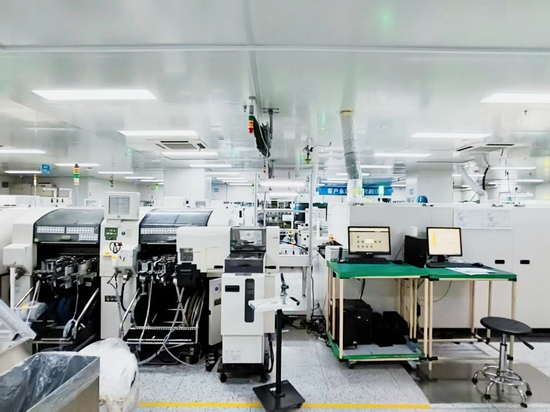
Qingdao Ansenke Electronics Co., Ltd. is committed to providing high-quality SMT assembly solutions, leveraging industry experience to maintain consistent soldering quality for resistors, capacitors, and other surface-mount components.