#Product Trends
Why Are Ball Valves Used in Vacuum Systems?
Ball Valve
Ball valves are widely regarded as one of the most reliable and efficient valve types for vacuum systems. Their use is critical in ensuring the effective and precise control of gases or liquids in environments where atmospheric pressure is reduced or entirely evacuated. In this section, we will explore the key reasons why ball valves are preferred in vacuum applications, including their ability to maintain a strong seal, facilitate precise flow control, and provide high durability under low-pressure conditions.
1. Leak-Free Sealing for Vacuum Integrity
The most important feature of a ball valve for vacuum systems is its ability to provide a leak-free seal. Vacuum systems require valves that can maintain extremely low pressures, and even the smallest leak can compromise the vacuum environment, leading to inaccuracies, contamination, or failure of the system.
Sealing Mechanism:
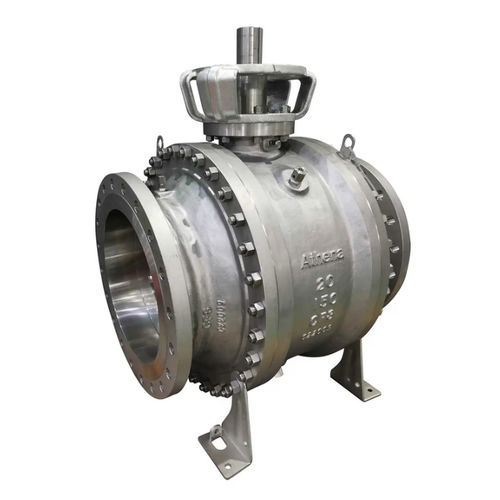
Ball valves are designed with a spherical ball that rotates to either block or allow the flow of gases or liquids. When the valve is closed, the ball's surface tightly seals against the valve seats, creating a robust barrier that prevents the ingress of external air and maintains the vacuum level. The tight seal achieved by ball valves is especially important in maintaining the integrity of high-precision vacuum systems, such as those used in semiconductor manufacturing or research laboratories.
Materials for Better Seals:
For vacuum systems, ball valves are often constructed with advanced sealing materials, such as PTFE (Polytetrafluoroethylene) or PFA (perfluoroalkoxy), which are known for their low outgassing properties. These materials ensure that the valve does not release gases or contaminants into the vacuum chamber, thus preserving the system’s performance and reliability.
2. High Precision and Reliable Flow Control
Vacuum systems often require precise control of gas flow to maintain specific pressure conditions, and ball valves excel in this role. Their simple design allows for accurate and reliable flow regulation.
Easy Operation and Quick Actuation:
The straightforward 90-degree turn operation of a ball valve makes it easy to open or close quickly, providing fast and precise control over the flow. This ease of use is particularly important in vacuum systems where rapid adjustments are often needed to regulate the flow of gases or liquids entering or exiting the system.
Precise Flow Adjustment:
Ball valves can be designed to accommodate a range of flow rates, from full open to fully closed, providing fine control over how much gas or liquid enters the system. In vacuum applications, controlling the flow accurately can prevent contamination, help regulate system pressure, and maintain the required operational conditions.
3. Durability and Long-Lasting Performance in Low-Pressure Environments
Vacuum systems often operate for extended periods of time and in challenging environments. Ball valves are built to withstand continuous operation without degradation, making them a durable solution for maintaining the vacuum conditions required in many industries.
Resistance to Wear and Tear:
The ball and seat in ball valves are often made from high-quality materials, such as stainless steel, brass, or other corrosion-resistant alloys. These materials are not only resistant to wear but also withstand the potential damage caused by vacuum stresses (e.g., pressure differentials). This durability ensures that ball valves remain operational for long periods, even under constant low-pressure conditions.
Low Maintenance:
Due to their simple design and high-quality materials, ball valves require relatively low maintenance compared to other types of valves. They can handle a wide range of temperatures and pressures, and with proper sealing, they can last for years without significant wear. This longevity is especially valuable in vacuum systems, where minimizing downtime and reducing maintenance costs are essential.
4. Minimal Internal Volume to Prevent Contamination
Vacuum systems, especially those used in high-purity applications (such as pharmaceuticals, biotechnology, or semiconductor manufacturing), need to minimize any potential for contamination. Ball valves help achieve this by offering a minimal internal volume compared to other valve types, such as globe or gate valves.
Reducing Residual Gas:
The compact design of ball valves ensures that when the valve is closed, it does not trap large volumes of gas or liquids inside the valve body. This is important because trapped gases could negatively impact the vacuum, introduce impurities, or disrupt critical processes. By minimizing internal volume, ball valves reduce the amount of gas that could remain within the valve and prevent contamination from accumulating over time.
Purity and Cleanliness:
In industries such as semiconductor manufacturing, even trace amounts of contaminants can ruin a product or affect the process. Ball valves for vacuum systems are often cleaned and passivated (a treatment to remove contaminants and improve corrosion resistance) to ensure that no harmful particles or gases are introduced into the system. This ensures that the vacuum system operates in a controlled, contamination-free environment.
5. Versatility and Customization for Various Vacuum Applications
Ball valves are highly versatile and can be customized to meet the unique needs of various vacuum applications. Whether it's a simple manual valve or a complex automated system, there is a ball valve solution available for nearly every type of vacuum environment.
Customization Options:
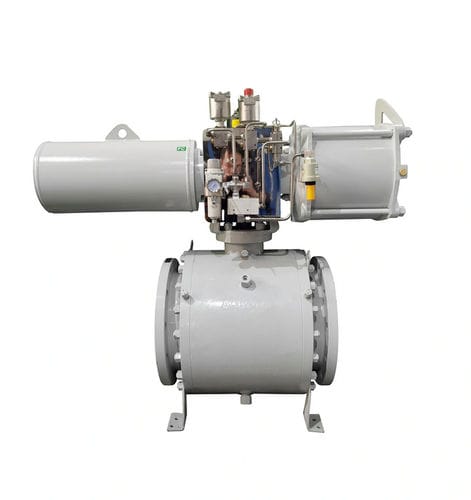
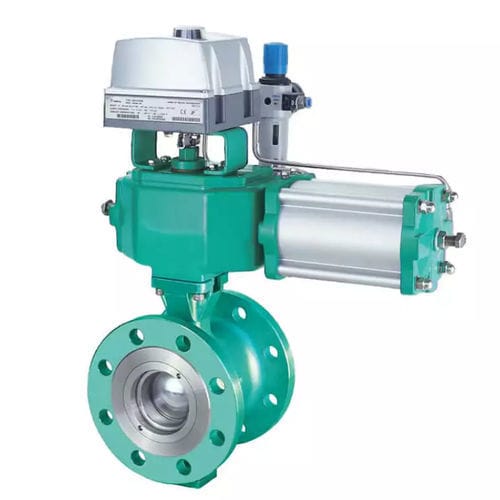
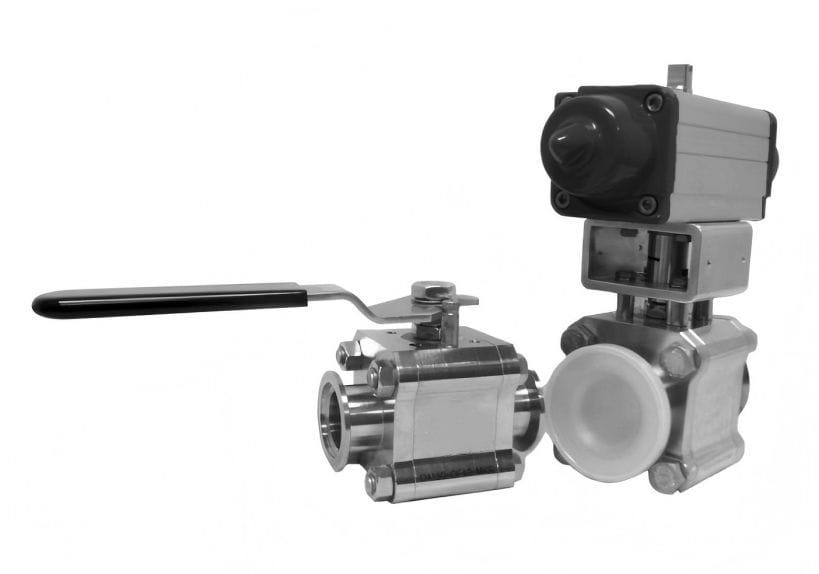
Ball valves for vacuum systems can be fitted with different types of actuators (manual, pneumatic, or electric), enabling precise control over the valve's operation. This makes them suitable for both small-scale applications, such as laboratory experiments, and large-scale industrial processes, such as chemical vapor deposition (CVD) or vacuum distillation.
Multiple Configurations:
Ball valves come in a range of configurations, including two-way, three-way, and multi-port designs, allowing them to be used in various types of vacuum systems. For instance, multi-port ball valves can direct flow to multiple chambers in complex vacuum systems, enabling more sophisticated control of gases or liquids.
6. Cost-Effectiveness and Efficiency
In addition to their operational advantages, ball valves for vacuum systems offer cost-effectiveness compared to more complex valve designs. Their straightforward design, ease of maintenance, and ability to last longer in vacuum conditions mean that they are often more affordable in the long term.
Lower Operational Costs:
The durability and reliability of ball valves lead to fewer breakdowns and reduced maintenance costs. Their simplicity means that fewer parts are prone to failure, and they do not require as much servicing as more intricate valve systems like needle or gate valves.
Efficient Production:
In industries such as semiconductor manufacturing, pharmaceuticals, and vacuum packaging, maintaining a constant and reliable vacuum is critical. Ball valves help achieve operational efficiency by providing the necessary flow control with minimal downtime. Their ability to quickly open and close reduces the time spent managing the system, allowing businesses to increase productivity and reduce operational costs.
Why Ball Valves Are Essential in Vacuum Systems
The use of ball valves in vacuum applications is indispensable due to their leak-proof sealing, precise flow control, durability, and versatility. Whether in a laboratory, semiconductor plant, or chemical process, these valves provide the necessary performance to ensure the integrity and efficiency of vacuum systems. Their ability to maintain a controlled environment with minimal contamination and downtime is crucial for industries where precision and reliability are paramount. With their ease of use, low maintenance, and cost-effectiveness, ball valves remain one of the most reliable solutions for vacuum systems.