#Product Trends
Guide for Selecting Industrial Check Valves
Industrial Check Valves
In industrial fields, fluid conveying systems rely on check valves to prevent media backflow. Choosing the right industrial check valve is critical for system safety, stability, and efficiency. Improper selection may cause pump damage, pressure fluctuations, or contamination. This guide outlines key selection points and highlights Athena Engineering S.R.L, a reputable valve manufacturer focusing on quality and customer service.
I. Understanding Industrial Check Valves
(I) Working Principle
Check valves are automatic: media flow opens the disc via pressure; backflow pressure closes it to block reversal.
(II) Common Types & Characteristics
Lift check valve: Disc lifts along the seat. Straight-through for horizontal pipes with good sealing, higher resistance; vertical for vertical upward flow.
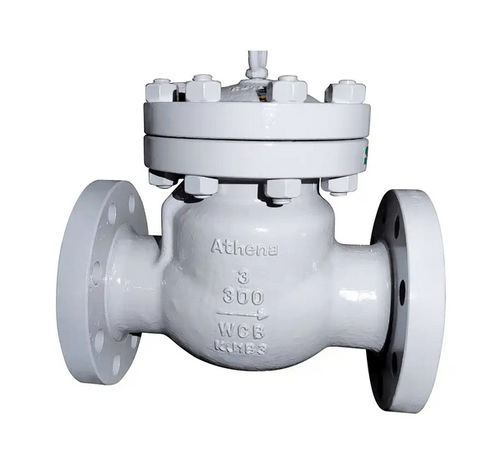
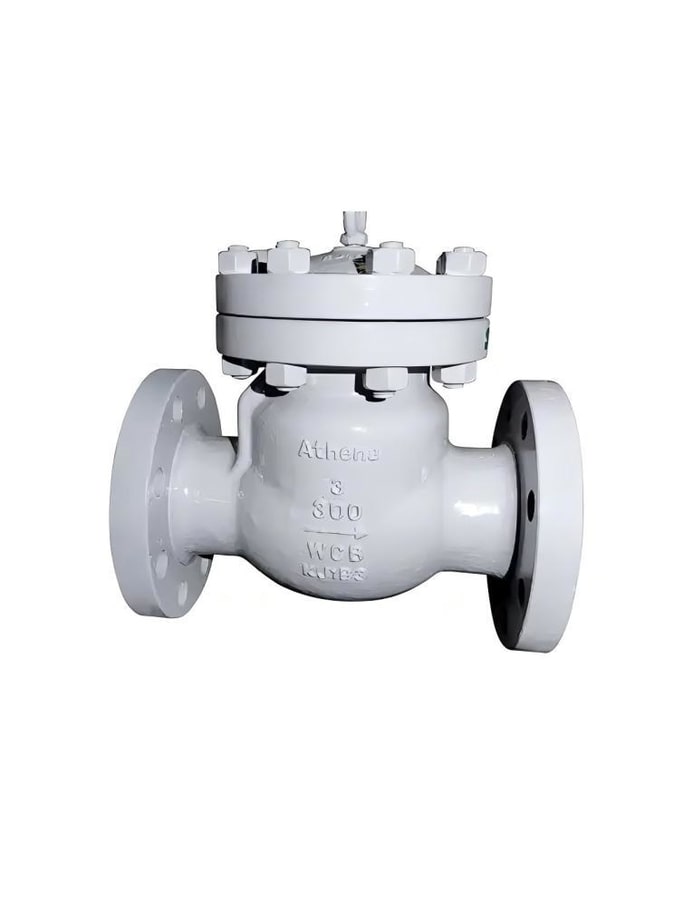
Swing check valve: Disc swings on a pin. Simple, low resistance, suited for large-diameter/medium-high pressure systems .
Butterfly check valve: Butterfly disc rotates. Compact, lightweight, minimal resistance—ideal for large-diameter/low-pressure systems needing quick operation.
Ball check valve: Free-moving ball disc. Fits medium-low pressure, large diameters, and media with minor impurities.
Diaphragm check valve: Flexible diaphragm seals. Excellent for corrosive, viscous, or clean media .
II. Selection Factors
(I) Medium Characteristics
Type: Clean liquids (lift/swing valves); particle/viscous media (butterfly/ball valves); corrosive media (stainless steel/fluorine-lined valves).
Temperature: Low-temperature (austenitic stainless steel); high-temperature (alloy steel).
Pressure: Low-pressure (wafer-type); medium-high pressure (flanged swing valves).
(II) Working Conditions
Pressure/temperature: Match valve ratings to system ranges with margins (e.g., 10MPa working pressure needs ≥16MPa nominal pressure).
Flow: Choose diameter to avoid energy loss; use Q = v×A (flow = velocity×area) for calculations.
(III) Installation Environment
Space: Wafer-type for tight spaces; flanged for easy maintenance.
Pipeline direction: Lift valves (horizontal/vertical upward); swing valves (horizontal/vertical/inclined); butterfly valves (mostly horizontal).
Vibration/water hammer: Use slow-closing or buffered valves (e.g., pump outlets).
(IV) Standards & Cost
Follow industry standards (API for petrochem, GB for power).
Balance initial cost (avoid overly cheap, low-quality options) and maintenance (simple designs like swing valves reduce long-term costs).
III. Selection Steps
1.Clarify parameters: Media properties, system pressure/temperature, pipeline size, and environment.
2.Screen types: E.g., clean medium-pressure liquids in horizontal pipes → lift/swing valves.
3.Calculate size: Match diameter to flow using Q = v×A, ensuring pressure/temperature compatibility.
IV. Athena Engineering: A Leading Manufacturer
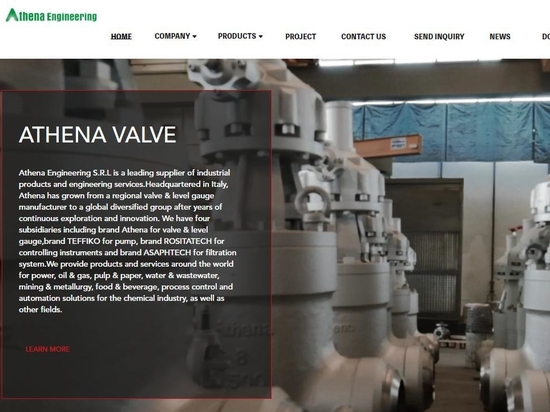
With 15+ years of experience, Athena Engineering produces high-quality valves (ISO 9001, CE, WRAS certified). It offers diverse check valves (axial flow, cast steel swing, etc.) with custom sizes, strict quality testing, OEM services, and global after-sales support.
V. Summary
Selecting industrial check valves requires balancing media, conditions, and cost. Athena stands out with competitive pricing (without sacrificing quality), flexible customization, short delivery times (via streamlined production), and a strong international project track record—making it a reliable choice.