#Product Trends
What Causes a Bad Diaphragm on a Valve?
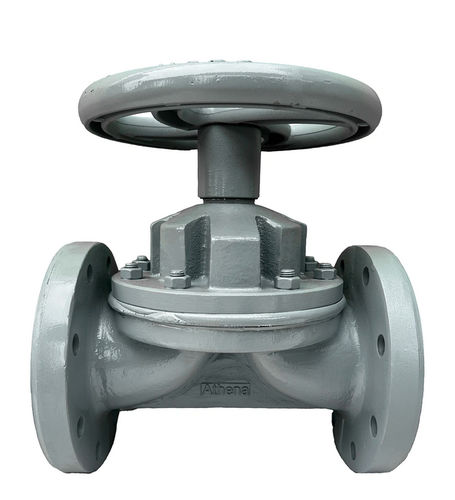
Diaphragm valve
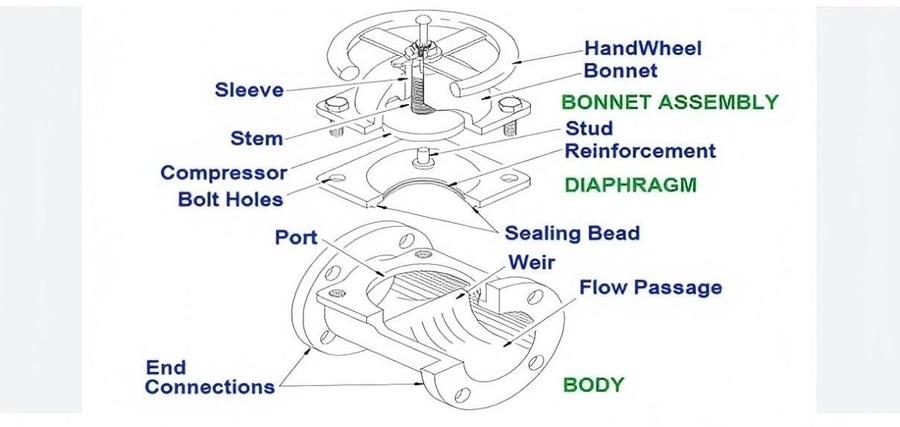
Diaphragm valves play a vital role across many industries, including pharmaceuticals, food and beverage, water treatment, chemical processing, and biotechnology. The core component that makes these valves uniquely suited for hygienic and corrosive applications is the diaphragm itself. Acting as a flexible seal, the diaphragm isolates the process fluid from the valve’s moving parts, preventing contamination and providing precise flow control.
However, diaphragms are subject to wear and damage that can compromise valve performance and system safety. A “bad diaphragm” refers to one that has deteriorated, torn, deformed, or lost sealing capability, leading to leaks or failure. Understanding what causes diaphragm damage is essential for users aiming to maximize valve lifespan, reduce maintenance costs, and avoid unexpected downtime.
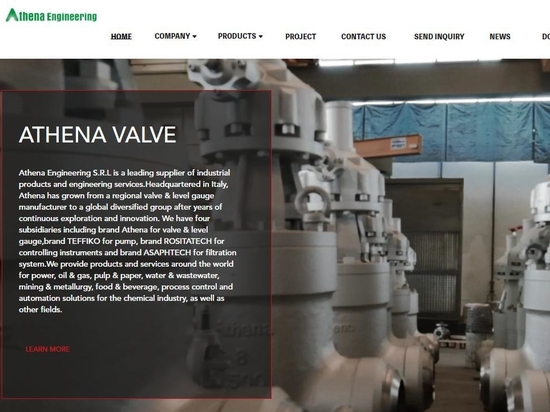
Italy-based Athena Engineering S.r.l. is a globally recognized diaphragm valve manufacturer known for stringent quality controls, premium diaphragm materials, and advanced valve designs that minimize diaphragm damage risks. This article explores the primary causes of diaphragm failure, how to identify symptoms, and best practices for prevention, with insights into Athena’s approach to durability and reliability.
Common Causes of Diaphragm Failure
Diaphragm failure results from a variety of factors, often interrelated. These causes can be broadly grouped into mechanical, chemical, operational, and installation-related categories:
1. Material Aging and Chemical Degradation
Most diaphragm valves utilize diaphragms made from elastomers such as EPDM, FKM (Viton), or PTFE-lined elastomers to balance flexibility and chemical resistance. However, these materials naturally degrade over time due to exposure to harsh chemicals, UV light, temperature extremes, and oxidative agents.
Chemical Attack: Certain aggressive fluids (strong acids, solvents, oxidizers) can cause swelling, embrittlement, or surface cracking of diaphragms, weakening their sealing properties.
Thermal Aging: Prolonged exposure to temperatures beyond the diaphragm's rating accelerates hardening and loss of elasticity, leading to cracks or tears during operation.
UV/Ozone Damage: In outdoor or improperly stored valves, UV exposure can cause elastomeric breakdown.
Athena Engineering S.r.l. combats these risks by selecting high-grade elastomer blends and PTFE liners optimized for targeted chemical and thermal conditions. Their diaphragms undergo accelerated aging tests to ensure long-term integrity.
2. Excessive Operating Pressure and Pressure Spikes
Diaphragms are engineered to withstand specific pressure ratings. Operating above these limits or experiencing sudden pressure surges can deform or rupture the diaphragm.
Pressure Spikes: Hydraulic shocks, water hammer, or pulsations stress the diaphragm, causing micro-tears or fatigue cracks.
Over-Pressurization: Continuous operation beyond rated pressure may cause permanent deformation or diaphragm blowout.
Athena valves are designed with pressure safety margins and can be paired with pressure dampeners or regulators to mitigate spikes. Their pressure specifications and test certifications help users select appropriate valves for their system conditions.
3. Foreign Particles or Grit Entrapment
Small solids or debris trapped between the diaphragm and valve seat can cause abrasion, punctures, or uneven diaphragm wear.
Abrasive Wear: Particles grind against the diaphragm during cycling, thinning the material and causing leaks.
Punctures or Tears: Sharp particles can penetrate the diaphragm, creating direct leakage paths.
This is a common failure mode in wastewater or slurry handling applications. Athena recommends installing upstream strainers or filters to reduce particulates and offers abrasion-resistant elastomer options for demanding environments.
4. Installation Errors and Mechanical Stress
Improper installation practices place uneven or excessive stress on diaphragms, reducing their lifespan.
Point-Loading: Uneven bolt tightening on diaphragm clamps or bonnet bolts can distort or pinch the diaphragm edge.
Misalignment: Incorrect diaphragm positioning or actuator misalignment causes uneven wear or fatigue.
Over-Tightening: Excess torque on clamp bolts damages the diaphragm material.
Athena Engineering provides detailed installation manuals and torque specifications, ensuring diaphragms are mounted evenly and correctly. Their valve designs minimize point loads by using centralized diaphragm clamps and modular components.
5. Mechanical Fatigue from High Cycle Rates
In process lines with frequent valve cycling or throttling, diaphragms undergo repeated flexing that can induce mechanical fatigue.
Flexural Fatigue: Constant bending reduces diaphragm thickness and elasticity.
Fatigue Cracks: Develop at stress concentration points, leading to eventual rupture.
Athena tests diaphragms for cycle life under simulated operating conditions and publishes cycle data, helping users plan proactive diaphragm replacements.
6. Over-Opening and Improper Stroke Limits
Operating the valve beyond its designed stroke limits stretches the diaphragm, causing delamination or tears.
Over-Travel: Actuators or manual operators forcing the diaphragm to open too far can overstretch the diaphragm’s elastomer or PTFE liner.
Under-Travel: Not fully closing causes pressure imbalances and uneven wear zones.
Athena’s valves feature stroke limiters and actuator calibration guides to prevent diaphragm over-extension.
Symptoms and Signs of a Bad Diaphragm
Detecting a failing diaphragm early can avoid costly damage or downtime. Common signs include:
Visible Tears or Bulges: Inspect diaphragm edges or center for cracks, deformation, or swelling.
Leaks at Seat or Bonnet: Fluid escaping past the diaphragm or around the bonnet gasket indicates seal failure.
Valve Performance Issues: Difficulty opening/closing, inconsistent flow control, or sticking.
Noise or Vibration: Unusual sounds during operation can signal diaphragm flutter or loose components.
Pressure Anomalies: Unexpected pressure drops or spikes during cycling may be linked to diaphragm damage.
Athena valves’ modular diaphragm design facilitates easy visual inspection and rapid replacement.
Impact of a Bad Diaphragm on Valve and System Performance
A compromised diaphragm impacts more than just the valve itself:
Leakage Risks: Contamination or hazardous fluid release poses safety and environmental hazards.
Reduced Control: Inability to regulate flow disrupts process consistency.
Actuator Stress: A bad diaphragm strains actuators, causing premature failure.
Increased Maintenance Costs: Frequent replacements and emergency repairs lead to higher downtime.
For critical applications, Athena’s valves are engineered to minimize failure risks, reducing system-wide impacts.
Best Practices to Prevent Diaphragm Damage
1. Select the Right Diaphragm Material
Choose materials compatible with process media, temperature, and pressure:
EPDM: Good for water, steam, and mild chemicals.
FKM/Viton: Excellent chemical resistance for oils, solvents, acids.
PTFE-Lined: Superior chemical resistance and temperature tolerance for aggressive media.
Athena offers tailored diaphragm materials for each industry’s needs.
2. Manage Pressure Effectively
Use pulsation dampeners and pressure regulators to prevent spikes.
Avoid deadheading or blocking flow, which can cause pressure build-up.
Monitor system pressure and install alarms to detect anomalies.
3. Control Particulate Ingress
Install strainers or filters upstream.
Regularly flush systems to reduce solids accumulation.
4. Follow Proper Installation Procedures
Adhere strictly to torque specifications and evenly tighten clamps.
Ensure diaphragm is centered and actuator aligned.
Train maintenance staff on correct handling.
5. Respect Stroke Limits and Cycling Recommendations
Calibrate actuators to avoid over-travel.
Limit valve cycling where possible or use valves designed for high-cycle applications.
6. Schedule Preventive Maintenance and Diaphragm Replacement
Establish inspection intervals based on operating conditions.
Keep OEM spare diaphragms on hand.
Athena supports clients with maintenance schedules and spare part availability worldwide.
Athena Engineering S.r.l.: Diaphragm Quality & Reliability Standards
Athena Engineering S.r.l. leads the market with diaphragm valves combining premium materials, superior design, and extensive quality assurance:
High-Quality Diaphragms: PTFE-lined, elastomeric blends, selected for specific chemical and temperature resistance.
Modular Diaphragm Assemblies: Designed for even load distribution and minimal point stress.
Extensive Testing: Including accelerated aging, cycle fatigue, chemical resistance, and leak testing.
Documentation & Traceability: Full test certificates and material traceability included with every valve.
Hygienic Designs: Zero-dead-leg, fully drainable valves to prevent contamination and ease cleaning.
Athena’s commitment to diaphragm longevity and performance reduces user risk and maintenance costs.
Troubleshooting Guide: Identifying Diaphragm Issues
When problems arise, a structured diagnostic approach helps pinpoint diaphragm-related faults:
Visual Inspection: Look for physical damage on diaphragm surface and clamping edges.
Operation Test: Cycle valve under normal pressure to assess smoothness and seal integrity.
Leak Test: Use bubble detection or pressure decay to confirm leaks through seat or bonnet.
Stroke & Pressure Checks: Verify valve opens/closes within design limits.
Analyze Process Media: Check for corrosive elements or particulates accelerating wear.
Athena’s technical support assists customers with troubleshooting and offers quick shipment of OEM diaphragms for replacement.
Case Scenarios & Solutions
Case 1: Frequent diaphragm rupture due to pressure spikes
Solution: Athena redesigned actuator clamp and recommended pressure dampeners, preventing reoccurrence.
Case 2: Abrasion damage from grit in wastewater feed
Solution: Installed upstream strainer and switched to abrasion-resistant diaphragm material.
Case 3: Diaphragm delamination caused by over-opening
Solution: Calibrated stroke limits and installed actuator stops, ensuring diaphragm protection.
Maintenance Recommendations for Users
Conduct routine inspections for leaks and mechanical wear every 3-6 months.
Record diaphragm life cycles and operating conditions.
Use genuine Athena replacement diaphragms for compatibility and warranty adherence.
Train maintenance teams on proper installation and torque specs.
Maintain an inventory of spare diaphragms and critical components.
Summary
Bad diaphragms on valves are primarily caused by chemical degradation, pressure overload, particulate abrasion, improper installation, mechanical fatigue, and over-stroking. Understanding these causes allows users to take preventive actions and extend valve life.
Choosing high-quality diaphragm valves from trusted suppliers like Athena Engineering S.r.l. ensures access to premium materials, tested designs, thorough documentation, and reliable global support.
Buyer Checklist
Select diaphragm materials compatible with your media and temperature.
Monitor and manage system pressures and pressure surges.
Install upstream filters or strainers to minimize particulate damage.
Follow OEM installation instructions and torque specs precisely.
Avoid exceeding diaphragm stroke limits.
Perform regular inspections and proactive replacements.
Source OEM diaphragms and support from suppliers like Athena Engineering S.r.l.
If you want a diaphragm valve supplier committed to excellence, durability, and service, Athena Engineering S.r.l. stands out as a reliable partner to help you avoid diaphragm valve failures and maintain smooth process operations.