#Product Trends
PCB Connector Types, Functions, and Selection Tips
PCB Connector Types: By Connection Method
1. What is a PCB (Printed Circuit Board) Connector?
A PCB (printed circuit board) connector is a crucial component that facilitates the transfer of power or signals within circuits and electronic devices. It can be used to connect multiple PCBs or different components within a single PCB to create reliable and efficient conductive pathways, enabling the smooth operation of electronic systems.
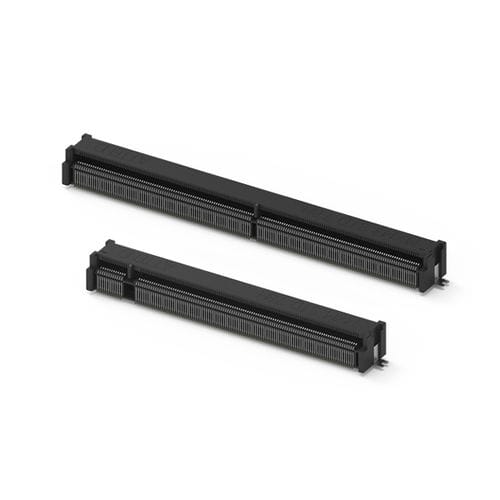
A typical PCB connector consists of two main parts: the housing and the contacts. The housing refers to the outer shell that is often made of plastic or metal. It provides mechanical support and protection for the internal components. Depending on the specific circuit board connector type and application, the contacts may come in various forms, such as pins, sockets, or edge connectors. They are the conductive elements of PCB connectors, usually made of copper or other conductive materials, that establish the electrical connection between the PCB components or boards.
Moreover, it is also important to note that PCB board connector types can be further categorized by how they are connected and what they are used for. Thus, we will further discuss these PCB board connector types in the following sections to give you an overview of their features and common applications. By understanding their differences, you can choose the most suitable one for your unique project to create versatile electronic devices, promoting simple assembly, efficient maintenance, and easier upgrades for long-term performance.