
#Product Trends
Battery Energy Storage Systems
Risks due to high energy density
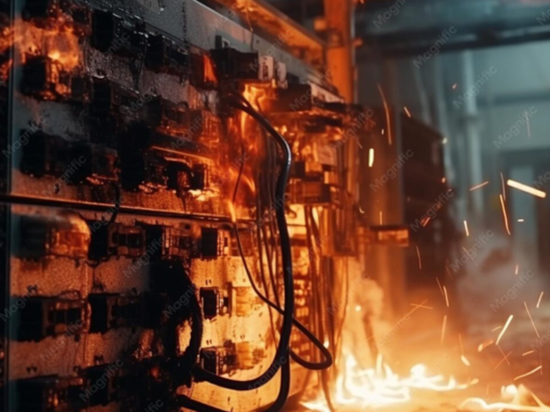
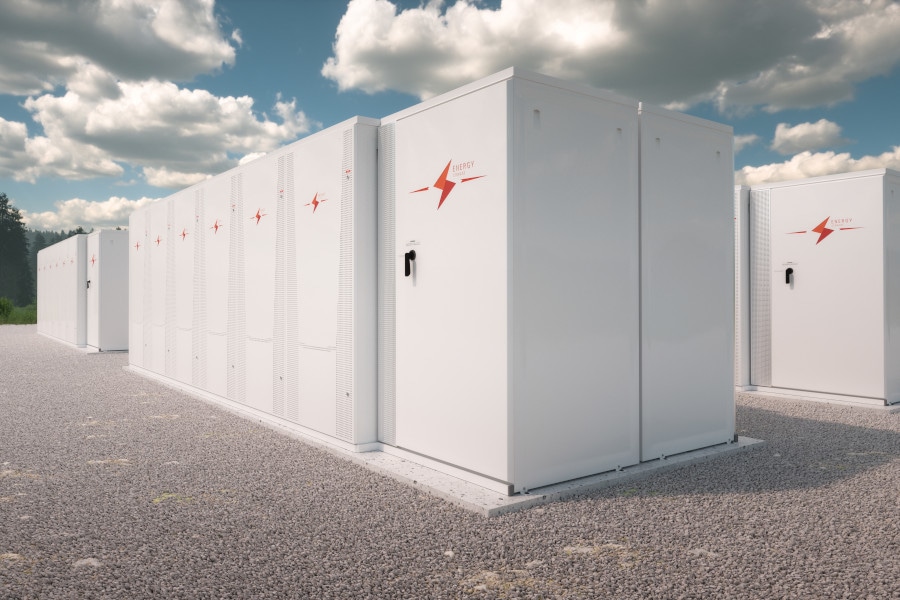
BESS are characterised by a high energy density, which significantly increases the risk of fire. In the event of an error, this can lead to intense fires that are difficult to control and cause considerable damage.
Battery energy storage systems (BESS) are often realised as unearthed systems (IT systems). In the event of a first fault, only a very low fault current flows in an IT system, which is largely dependent on the system leakage capacitance. This design ensures that the system remains safe and there is no immediate risk of continuing errors. This increases the reliability of operation.
Integration of BESS into existing networks
The integration of BESS into existing energy grids poses a number of technical challenges, especially when it comes to combining earthed TN systems with unearthed IT systems. These different power supply systems must be seamlessly integrated to ensure grid stability.
Dynamic environmental conditions
BESS are often exposed to changing environmental conditions, which can affect system performance and safety. In particular, temperature changes, humidity and mechanical stress can lead to degradation and ultimately to failures.
Insulation monitoring in IT and residual current monitoring in TN-S systems
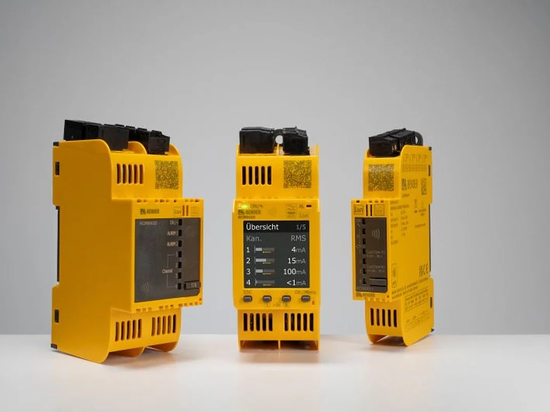
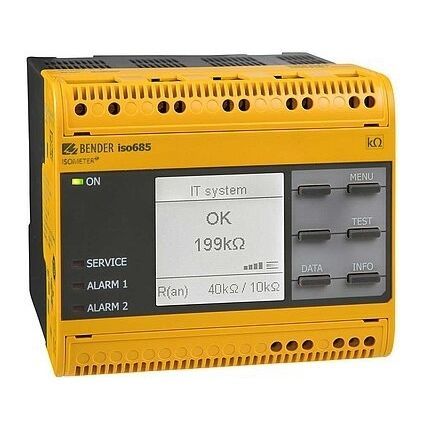
In IT systems (unearthed), insulation monitoring by ISOMETER® ensures that errors are detected at an early stage before they lead to dangerous insulation faults. In earthed TN systems, residual current monitoring provides an additional level of safety through permanent monitoring.
Automated fault detection and localisation
The use of insulation monitoring systems in combination with insulation fault location systems (EDS) enables efficient fault localisation, which is characterised by high precision. The systems make a significant contribution to reducing downtimes and thus promote the reliability of operation.
Fire protection measures
As part of the implementation of BESS, the development of comprehensive fire protection concepts is essential. These include the integration of fire enclosures, the installation of fire protection sensors and the implementation of automatic extinguishing systems that can detect and fight potential fires at an early stage. This ensures the safety of the entire system.