#Product Trends
WHAT ARE MOTOR WINDINGS?
AN EXPLANATION OF TYPES, APPLICATIONS, AND DESIGN
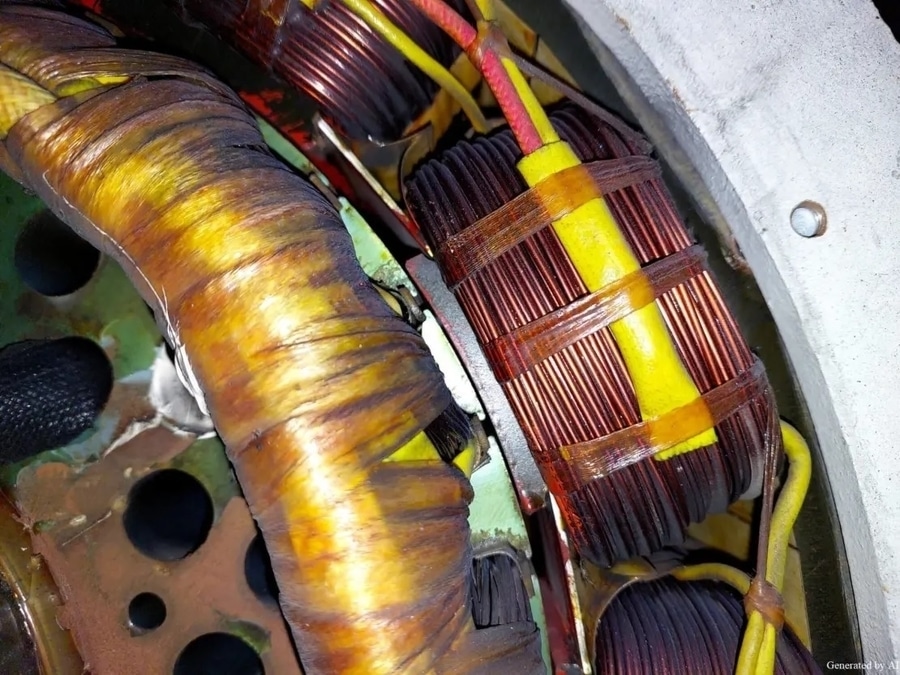
One of the most critical factors determining a motor’s performance is its “winding.” Windings consist of conductors—such as copper or aluminum wire—wound into coils. When an electric current flows through them, they generate a magnetic field. Through interaction with other magnetic fields (such as those from permanent magnets or other windings), they produce the rotational force that drives the motor, making them the heart of the motor.In motors used across a wide range of fields—from industrial motors to medical equipment, optical equipment, and security equipment—the materials, types, winding methods, and design of the windings directly impact performance, efficiency, durability, and reliability.
This article systematically explains the knowledge that B2B engineers need to know, ranging from the basic principles of motor operation to material types, manufacturing methods, selection criteria by application, resistance measurement and management, and design optimization points. For engineers involved in motor design and product development, understanding winding technology is crucial for optimal motor selection and performance maximization.