#Industry News
Digital Data Blindness: Why Companies Often Fail to Make Better Decisions Despite Digitalization
Large amounts of data, limited insights – a widespread phenomenon in industry
Large amounts of data, limited insights – a widespread phenomenon in industry
Digitalization is advancing in industrial manufacturing. Production lines are equipped with sensors, machines deliver real-time metrics, and dashboards visualize data at the push of a button. The expectation: more informed decisions, higher efficiency, fewer errors. The reality: despite the flood of data, companies often lack a clear overview.
This phenomenon is known as digital data blindness. While companies have large volumes of production and quality data, they often fail to use it consistently for process optimization. The cause is not a lack of digitalization, but insufficient data integration and utilization.
* Data exists – but it’s not connected
In many companies, data resides in isolated systems: sensor values in MES systems, quality metrics in Excel spreadsheets, and machine parameters in specialized tools. Interfaces are missing; the systems don’t “talk” to each other. As a result, opportunities for linking, analyzing, and optimizing data remain untapped. Decisions continue to be based on experience or gut feeling – even though valid data is already available.
The consequences:
- Production errors are detected too late
- Root cause analyses take too long
- Improvement potentials remain invisible
Quality assurance works reactively rather than proactively
* From Collecting Data to Understanding Data: IPM by CSP
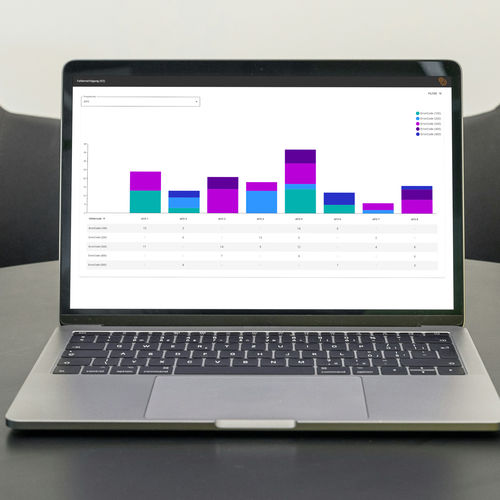
This is exactly where CSP GmbH & Co. KG’s IPM process data management software comes in. Its goal: turn existing data into actionable insights. IPM links heterogeneous data sources into a unified system, displays them in real time, and enables targeted analysis.
The benefits:
- Intelligent data integration across system boundaries
- Transparent real-time visualization of process and quality data
- Early detection of deviations to prevent errors
- Reliable decision-making support for production management and quality assurance
With IPM, companies can systematically improve processes, identify weak points faster, and sustainably enhance production quality and efficiency.
* Data as a Strategic Success Factor – If Used Correctly
“In many conversations with manufacturing companies, we hear the same thing: ‘We have the data, but we can’t extract the insights.’ This is exactly the gap IPM fills,” says Valentin Wolferseder, Team Manager IPM. “Data must be made usable – not just collected. Only then does digitalization become a real competitive advantage.”
Companies that don’t actively use their data are leaving potential – and often efficiency, quality, and future viability – on the table. Those who understand their data can turn digitalization into a strategic resource.