
#Product Trends
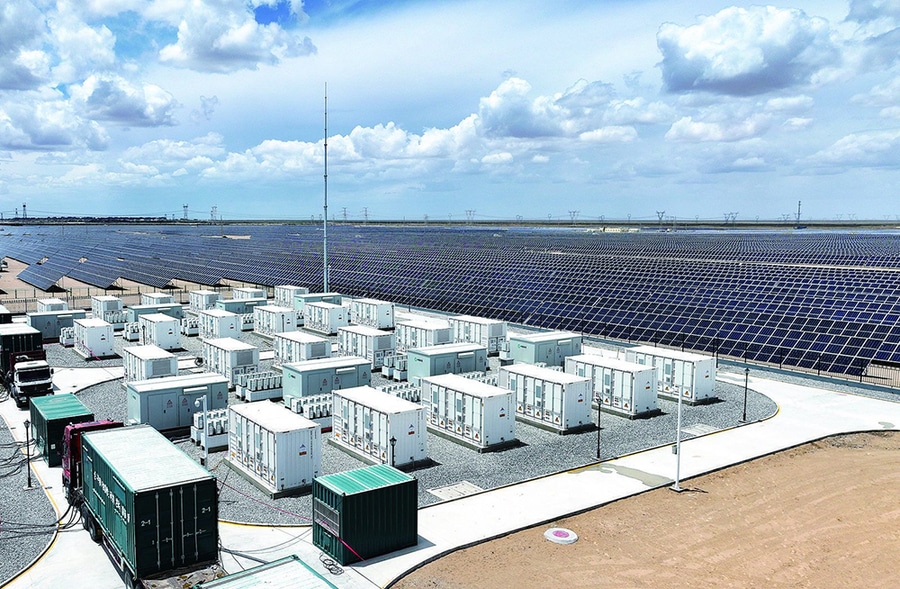
Energy Storage (BESS) for renewable energy
Energy Storage (BESS)
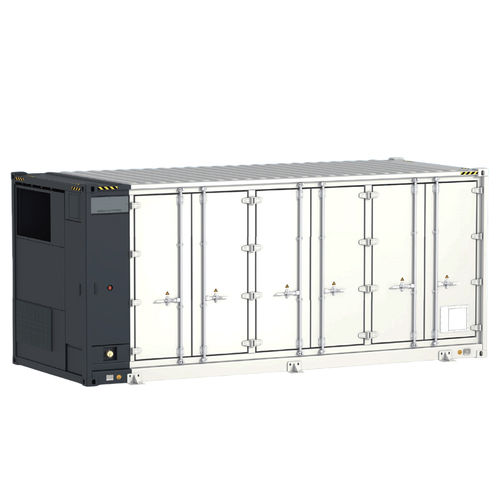
Energy Storage System (BESS – Battery Energy Storage System)
A Battery Energy Storage System (BESS) is an energy storage solution that stores electrical energy in batteries and releases it when required. It enables better integration of renewable energy, improves grid stability, provides backup power, and supports peak-load management.
A typical BESS installation combines:
Battery System + Battery Management System (BMS) + Power Conversion System (PCS) + Energy Management System (EMS) + MV Transformer + MV Switchgear
1. Main Functions of BESS
Energy Time Shifting
Stores electricity when energy is cheap or abundant and supplies it during high-demand periods.
Example:
·Solar Power (Daytime)
·Battery Charging
·Evening Peak Demand
·Battery Discharging
Peak Shaving
·Reduces maximum demand by supplying stored energy during peak load periods.
Benefits:
·Lower electricity demand charges
·Reduced transformer loading
·Improved grid efficiency
·Renewable Energy Integration
BESS compensates for renewable energy fluctuations:
·Solar output variation
·Wind power fluctuations
·Cloud shading effects
It helps provide a smoother power output to the grid.
·Grid Support
·BESS can provide:
·Frequency regulation
·Voltage support
·Reactive power compensation
·Black start capability
·Spinning reserve replacement
2. Main Components of BESS
1) Battery System
·The energy storage core.
Common battery technologies:
Lithium Iron Phosphate (LFP)
·Most common for large-scale BESS.
Advantages:
·High safety
·Long cycle life
·Good thermal stability
Nickel Manganese Cobalt (NMC)
Advantages:
·Higher energy density
·Compact size
Applications:
·Mobile and space-limited systems
2) Battery Management System (BMS)
Monitors and protects battery cells.
Functions:
·Cell voltage monitoring
·Temperature monitoring
·State of Charge (SOC)
·State of Health (SOH)
·Cell balancing
·Fault protection
3) Power Conversion System (PCS)
Converts:
·Battery DC Power
·AC Grid Power
·and vice versa.
Functions:
·Battery charging
·Battery discharging
·Active power control
·Reactive power control
Typical PCS ratings:
·50 kW to several MW per unit
4) Energy Management System (EMS)
The control platform that manages:
·Charging/discharging schedules
·Grid commands
·Renewable integration
·Energy optimization
·Remote monitoring
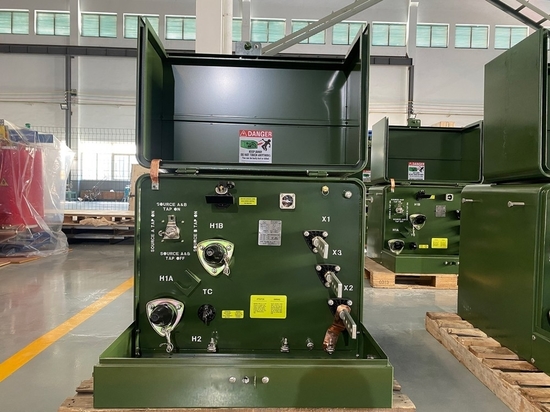
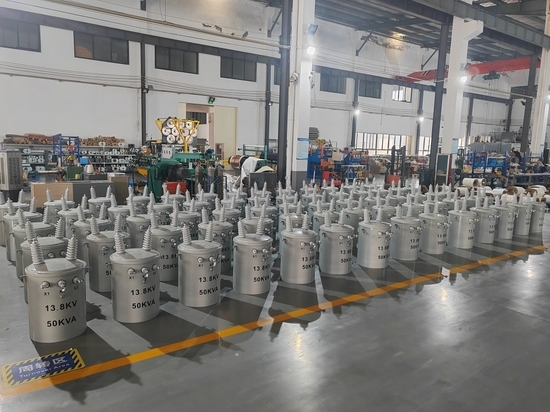
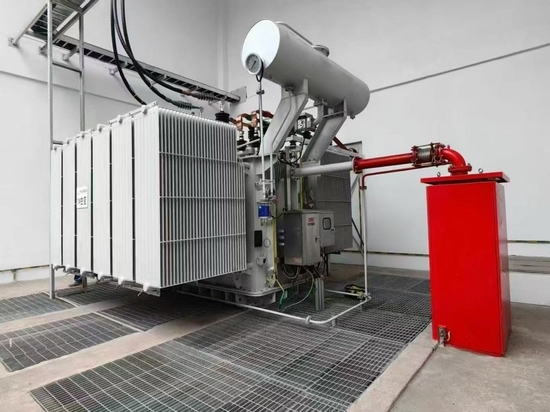
5) MV Transformer
Connects the BESS to the medium-voltage grid.
Typical:
·Battery/PCS Output
·400 V–690 V AC
·MV Transformer
·6.6 kV–35 kV Grid
6) MV Switchgear
Provides:
·Isolation
·Protection
·Switching control
Includes:
·RMU
·VCB switchgear
·Protection relays
·Surge arresters
3. Typical BESS Ratings
·Power Rating: 100 kW – 500 MW+
·Energy Capacity: 200 kWh – GWh scale
·Battery Voltage: Hundreds of volts to 1500 V DC
·Grid Connection: LV / MV / HV
·Response Time: Milliseconds
·Operating Life: 10–20 years
·Cycle Life: 3,000–10,000+ cycles
4. Types of BESS Applications
A.) Utility-Scale BESS
Capacity:
·10 MW–500 MW+
Applications:
·Grid balancing
·Renewable integration
·Frequency control
B.) Commercial & Industrial (C&I) BESS
Applications:
·Factory peak shaving
·Backup power
·Demand management
·Microgrids
C.) Residential BESS
Applications:
·Solar self-consumption
·Home backup
·Energy independence
D.) Renewable Hybrid BESS
Combined with:
·Solar PV
·Wind turbines
·Hydropower
Example:
PV Plant
+
BESS
+
MV Transformer Station
Dispatchable renewable power plant
In a modern power system, a BESS acts as a flexible energy buffer—absorbing excess electricity when available and delivering power when needed—to improve renewable energy integration, grid stability, and energy efficiency.