
#Product Trends
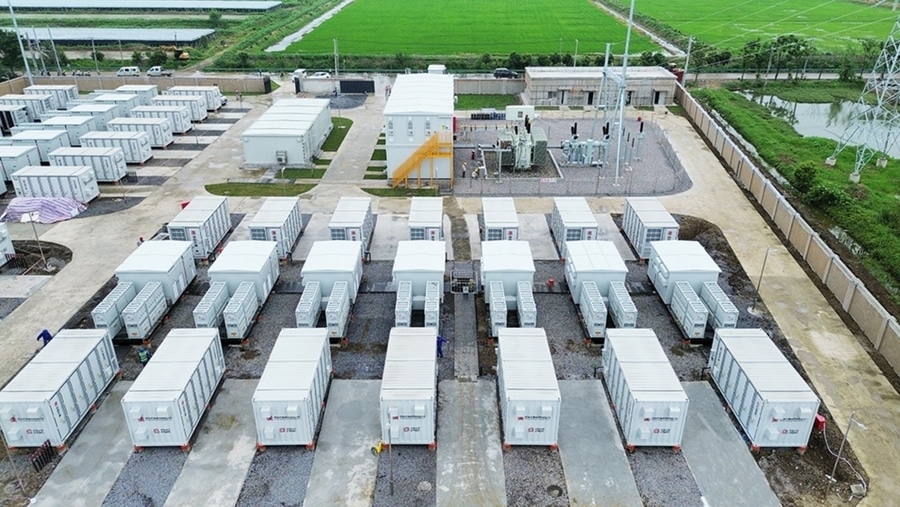
MV Transformer Station for distribution networks
MV Transformer Station
MV Transformer Station (Medium Voltage Transformer Station)
A Medium Voltage Transformer Station (MV Transformer Station), also called a Medium Voltage Substation, Compact Substation, or MV/LV Distribution Substation, is an electrical facility that receives medium-voltage power, transforms it to low voltage, and distributes electricity to end users or industrial loads.
It is a key component in distribution networks, typically converting voltages such as 6.6 kV, 10 kV, 11 kV, 13.8 kV, 20 kV, 22 kV, 24 kV, or 33 kV down to 400 V/415 V/480 V LV systems.
1. Main Functions
Voltage Transformation
Converts:
MV Grid Supply
(6–35 kV)
MV Transformer Station
LV Distribution Supply
(400/415/480 V)
Power Distribution
Provides power to:
·Industrial plants
·Commercial buildings
·Residential areas
·Renewable energy systems
·Infrastructure facilities
2. Main Components
1) Medium Voltage Switchgear
Controls and protects the incoming MV supply.
Includes:
·Load Break Switch (LBS)
·Vacuum Circuit Breaker (VCB)
·Disconnect switch
·Earthing switch
·Protection relays
·Surge arresters
Typical ratings:
12 kV
24 kV
36 kV
2) MV/LV Transformer
The main voltage conversion equipment.
Common transformer types:
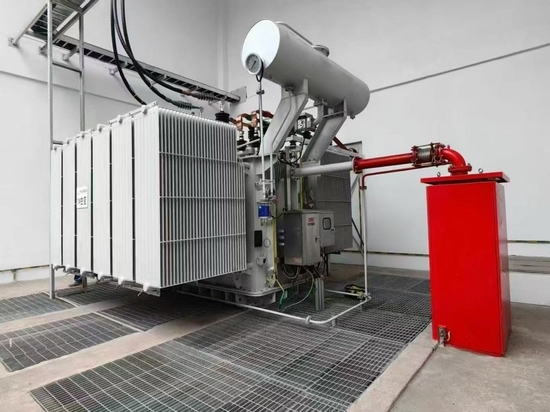
Oil Immersed Transformer
·High efficiency
·Large capacity
·Outdoor applications
Dry Type Transformer
·Indoor installation
·Fire safety applications
·Low maintenance
Typical ratings:
100 kVA to 10+ MVA
3) Low Voltage Switchgear
Distributes transformed power to LV loads.
Includes:
·ACB (Air Circuit Breaker)
·MCCB
·MCB
·Busbar system
·Metering equipment
4) Protection and Control System
Provides:
·Overcurrent protection
·Earth fault protection
·Transformer protection
·Temperature monitoring
·Remote monitoring
5) Auxiliary Systems
May include:
·DC control power supply
·Battery charger
·SCADA communication
·Lighting
·HVAC system
·Fire protection
3. Types of MV Transformer Stations
A.) Compact Substation (CSS)
Factory-built integrated unit:
·MV Switchgear + Transformer + LV Switchgear
Advantages:
·Compact design
·Fast installation
·Reduced construction work
Applications:
·Urban distribution
·Solar farms
·Commercial facilities
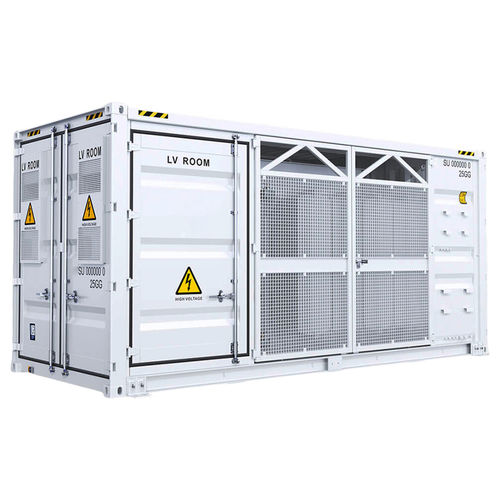
B.) Prefabricated Transformer Station
Also called:
·E-house substation
·Package substation
Features:
·Factory assembled
·Containerized structure
·Easy transportation
Applications:
·Mining
·Oil & gas
·Renewable energy
C.) Outdoor MV Transformer Station
Installed outdoors:
Components:
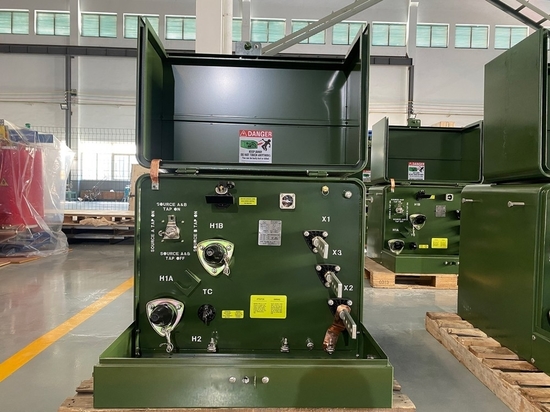
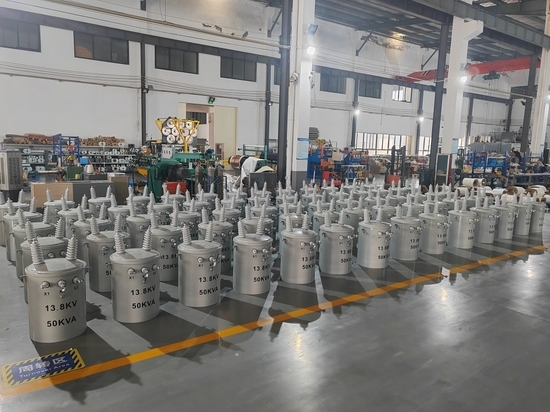
·Pole-mounted or ground-mounted transformer
·MV switchgear
·LV distribution panel
Applications:
·Utility distribution networks
D.) Indoor MV Transformer Station
Installed inside:
·Industrial buildings
·Commercial facilities
·Power plants
Advantages:
·Better environmental protection
·Easier maintenance
4. Typical Ratings
·Input Voltage: 6.6 kV–35 kV
·Output Voltage: 400 V / 415 V / 480 V
·Transformer Capacity : 100 kVA–10 MVA+
·Frequency: 50 Hz / 60 Hz
·Protection Level: IP23–IP55 (depending on enclosure)
·Installation: Indoor / Outdoor / Containerized
5. Applications
·Utilities: Distribution substations
·Solar Power: PV collection systems
·Wind Power: Turbine power collection
·Mining: Mine power supply
·Oil & Gas: Process plants
·Data Centers: Facility power distribution
·Manufacturing: Factory power systems
·Infrastructure: Airports, railways, ports
6. Advantages
Compact Design
·Requires less space than conventional substations.
High Reliability
·Integrated protection and switching.
Easy Installation
·Factory tested before delivery.
·Flexible Configuration
Can include:
·RMU
·GIS switchgear
·AIS switchgear
·Dry transformer
·Oil transformer
·Smart monitoring systems
In a power distribution system, an MV Transformer Station is the interface between the medium-voltage network and low-voltage consumers, combining MV protection, voltage transformation, and LV distribution into one reliable power delivery point.