
#Product Trends
MV Fault Current Limiter the best solution for short-circuit current reduction
MV Fault Current Limiter
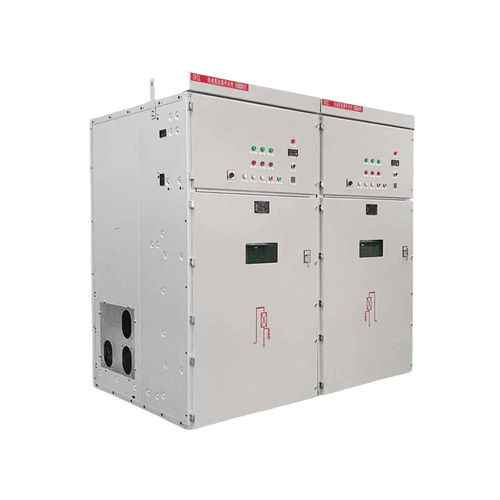
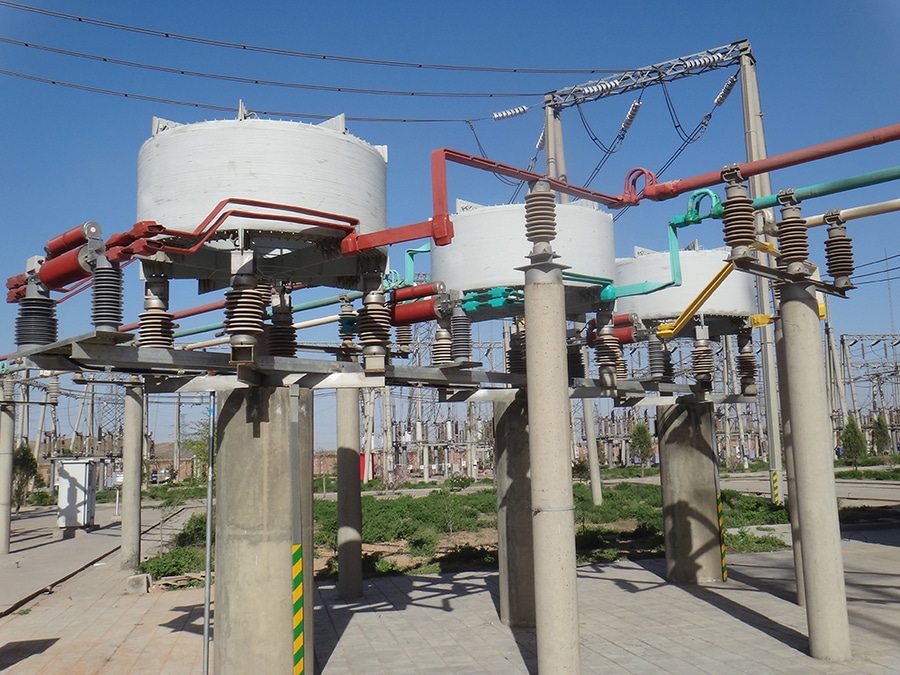
A Medium Voltage Fault Current Limiter (MV Fault Current Limiter / UFCL) is a protection device designed to rapidly reduce excessive short-circuit currents in medium-voltage electrical networks. It limits fault current magnitude within the first few milliseconds after a fault occurs, helping protect switchgear, transformers, cables, generators, and distribution equipment.
UFCL is commonly used when the available fault current exceeds the interrupting capability of existing circuit breakers or when utilities need to increase network capacity without replacing large amounts of equipment.
1. Working Principle
During normal operation:
·UFCL has very low impedance.
·Full load current flows normally.
During a short circuit:
·Fault current rises rapidly.
·UFCL increases its impedance within milliseconds.
·The fault current peak is reduced.
·Existing protection equipment can safely interrupt the fault.
2. Main Components
A.) Current Limiting Element
The main component that creates temporary impedance.
Possible technologies:
·Superconducting element
·Power electronic converter
·Saturable reactor
·Inductive reactor
·Solid-state switching element
B.) Detection and Control System
Functions:
·Detects abnormal current rise
·Triggers limiting action
·Controls switching devices
Components:
·Current sensors
·Digital controller
·Protection relay interface
C.) Bypass / Recovery System
Functions:
·Allows normal operation after fault clearing
·Protects limiting components
·Restores low impedance state
D.) Cooling System (for some technologies)
Required for:
·Superconducting fault current limiters
·High-power electronic systems
Cooling methods:
·Cryogenic cooling
·Forced air cooling
·Liquid cooling
3. Advantages
·Reduces fault current : Protects equipment from high short-circuit levels
·Fast operation: Acts before first current peak
·Extends equipment life: Reduces thermal and mechanical stress
·Avoids switchgear replacement: Allows existing breakers to remain in service
·Improves grid flexibility: Enables network expansion
·Supports renewable integration: Controls increased fault levels
4. Applications
Utility Distribution Networks
Used for:
·MV substations
·Distribution feeders
·Network interconnections
Renewable Energy Plants
Applications:
·Solar PV plants
·Wind farms
·Battery storage systems
Purpose:
·Manage increased fault contribution from distributed generation
Industrial Facilities
Used in:
·Steel plants
·Mining facilities
·Chemical plants
·Large manufacturing sites
Microgrids
Provides:
·Fault current management
·Protection coordination
·Flexible operation
MV Fault Current Limiter (UFCL) summary:
A Medium Voltage Fault Current Limiter (UFCL) is a fast-acting series device that reduces short-circuit current levels within milliseconds, protecting MV networks from excessive fault energy. It enables utilities and industries to increase system capacity, integrate renewable generation, and avoid costly replacement of existing switchgear and transformers.