
#Product Trends
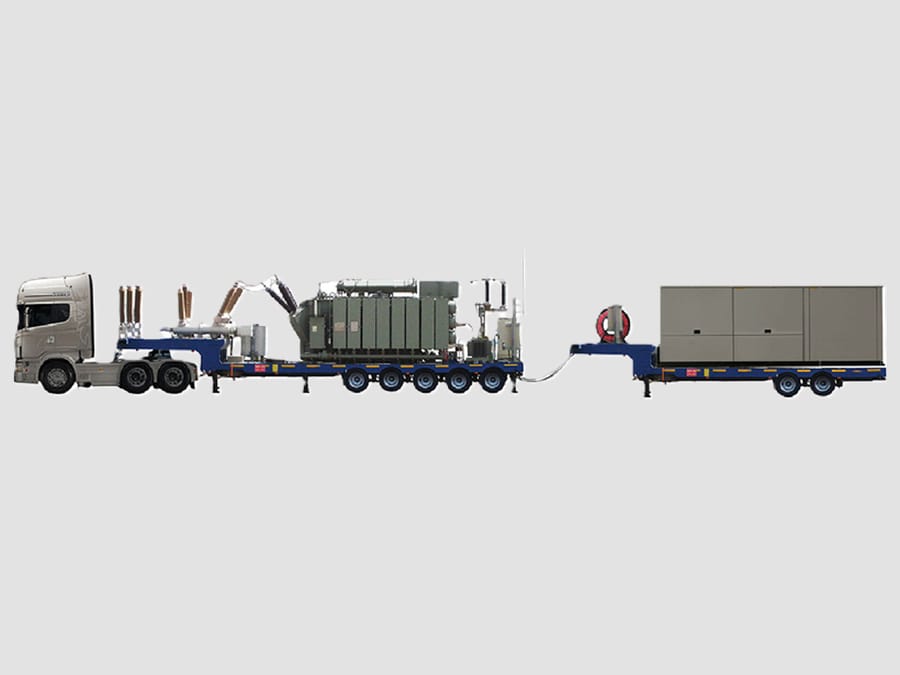
Mobile Substation provide temporary, emergency, or rapidly deployable power transformation and distribution capability
Mobile Substation
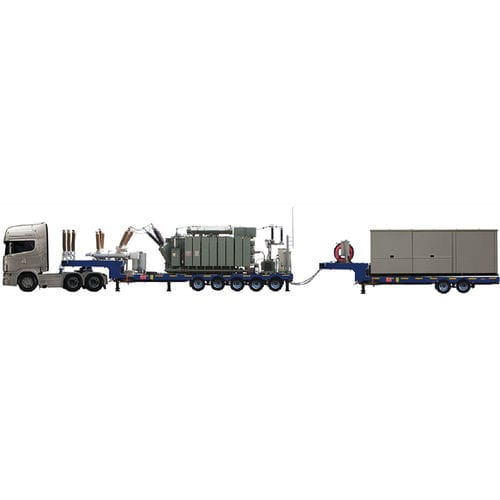
A Mobile Substation is a transportable electrical substation designed to provide temporary, emergency, or rapidly deployable power transformation and distribution capability. It integrates major substation equipment—including transformers, high-voltage switchgear, medium-voltage switchgear, protection systems, control panels, and auxiliary systems—onto a trailer, skid, or transport platform.
Mobile substations are used by utilities and industries to maintain power supply during substation failures, planned maintenance, grid expansion, disaster recovery, and temporary load requirements.
Main Features
·Fully transportable substation package
·Rapid deployment and commissioning
·Factory assembled and tested
·Integrated protection and control system
·Suitable for emergency power restoration
·Flexible voltage configuration
·Reduced civil construction requirements
·Designed for repeated transportation and operation
·Remote monitoring capability available
Main Components
1.) High Voltage Equipment
Functions:
·Incoming transmission connection
·Isolation and protection
Typical equipment:
·Disconnect switch
·Circuit breaker
·Surge arrester
·Current transformer (CT)
·Voltage transformer (VT)
·Line trap (for special applications)
Typical voltage levels:
·69kV
·115kV
·138kV
·245kV
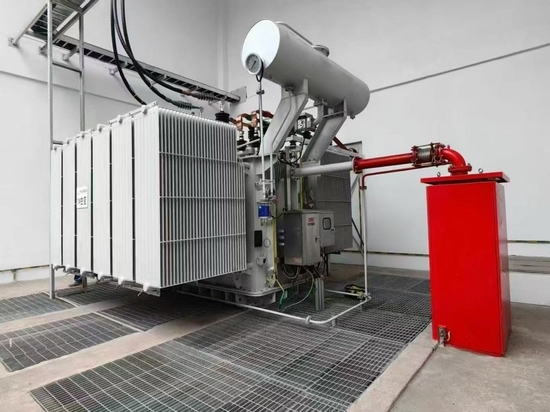
2.) Mobile Power Transformer
Function:
·Voltage conversion between transmission and distribution levels
Common designs:
·Oil-immersed transformer
·Forced cooling transformer
·Three-phase transformer
·Autotransformer (special applications)
Typical ratings:
·10 MVA
·20 MVA
·40 MVA
·100 MVA+
Custom ratings available
3.) Medium Voltage Switchgear
Functions:
·Distribution switching
·Feeder protection
·Fault isolation
Typical equipment:
·Vacuum circuit breaker (VCB)
·Load break switch
·MV cable termination
·Protection relay
Common output voltages:
·4.16kV
·6.6kV
·10kV
·13.8kV
·24kV
·35kV
4.) Protection and Control System
Includes:
·Digital protection relays
·Transformer differential protection
·Overcurrent protection
·Distance protection
·SCADA communication
·Remote control system
·GPS time synchronization
5.) Auxiliary Systems
Includes:
·AC auxiliary power supply
·DC battery system
·Battery charger
·UPS system
·HVAC system
·Fire protection
·Lighting system
Types of Mobile Substations
1.) Trailer-Mounted Mobile Substation
Features:
·Installed on road trailer
·Easy transportation
·Rapid deployment
Applications:
·Utility emergency restoration
·Temporary grid support
2.) Skid-Mounted Mobile Substation
Features:
·Mounted on steel skid
·Suitable for rail, ship, or heavy transport
Applications:
·Mining
·Industrial projects
·Offshore applications
3.) Containerized Mobile Substation
Features:
·Equipment installed inside containers
·Weather protection
·Modular expansion
Applications:
·Renewable energy
·Remote areas
·Disaster recovery
Typical Technical Specifications
·HV Voltage: 69–245 kV
·MV Output Voltage: 4.16–35 kV
·Transformer Capacity: 10–100 MVA+
·Frequency: 50/60 Hz
·HV Current: Application dependent
·MV Current: 630–3000 A
·Short Circuit Rating: 25–63 kA
·Installation: Trailer / Skid / Container
·Protection Degree: IP54–IP66
·Ambient Temperature : -40°C to +50°C
·Service Life: 25–40 years
Working Principle
·The mobile substation is transported to the required location.
·High-voltage incoming power is connected through temporary or permanent connections.
·HV switchgear controls and protects the incoming supply.
·The transformer steps down voltage to the required distribution level.
·MV switchgear distributes power to feeders.
·Protection relays continuously monitor system conditions.
·The mobile substation supplies power until permanent infrastructure is restored or completed.
Advantages
Rapid Power Restoration
·Emergency replacement after equipment failure
·Reduces outage duration
·Quickly restores critical loads
High Mobility
·Transportable between locations
·Suitable for temporary projects
·Reduced Construction Time
Minimal civil works
·Factory-tested equipment package
·Flexible Application
Can support:
·Grid expansion
·Maintenance bypass
·Disaster recovery
·Temporary generation connection
High Reliability
·Complete factory testing
·Integrated protection system
·Proven substation technology
Typical Applications
Utility Power Systems
·Substation outage replacement
·Transformer failure backup
·Grid reinforcement
·Peak demand support
Renewable Energy
·Temporary solar/wind connection
·Construction power supply
·Grid interconnection support
Industrial Applications
·Mining operations
·Oil & gas facilities
·Large construction projects
·Temporary industrial plants
Emergency Response
·Storm recovery
·Natural disaster restoration
·Critical infrastructure support
Applicable Standards
·IEC 60076 – Power transformers
·IEC 62271 – High-voltage switchgear and controlgear
·IEC 61439 – Low-voltage switchgear assemblies
·IEC 60529 – Enclosure protection ratings
·IEEE C57 Series – Power transformers
·IEEE C37 Series – Switchgear and protection equipment
Typical Ratings Summary
·Voltage Class: 69–245 kV HV
·Transformer Capacity: 10–100 MVA+
·MV Output: 4.16–35 kV
·Mounting Type: Trailer / Skid / Container
·Transformer Type: Oil-filled
·Protection: Digital relay + SCADA
·Installation: Outdoor
·Deployment Time: Days to weeks
·Service Life: ≥25–40 years
A Mobile Substation provides a flexible and reliable solution for emergency power restoration, temporary grid support, maintenance bypass, and rapid network expansion. By integrating transformer, switchgear, protection, and control equipment into a transportable package, it enables utilities and industries to restore or provide electrical service quickly without waiting for permanent substation construction.