
#Product Trends
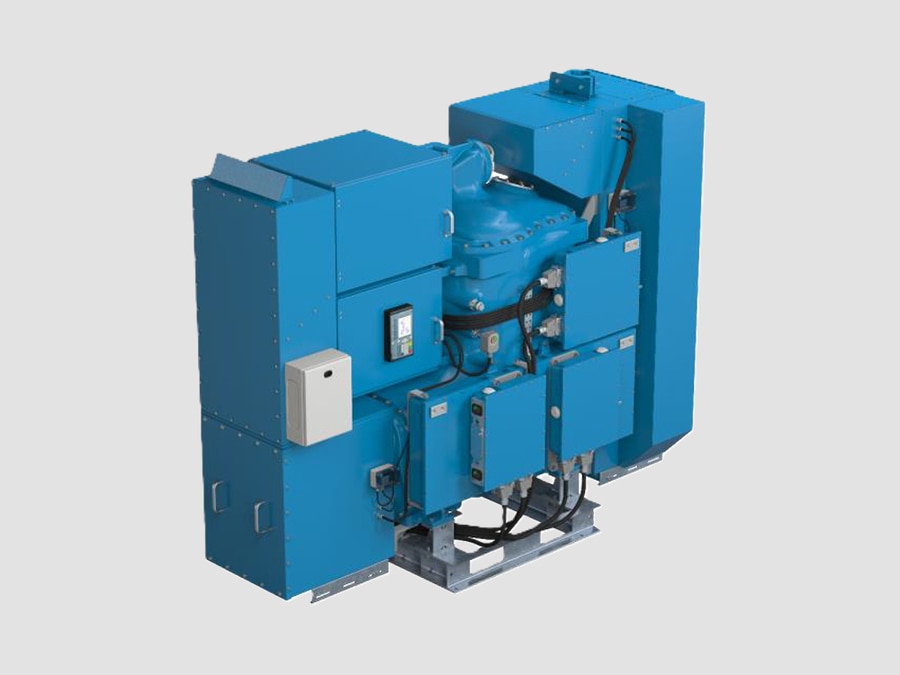
Gas Insulated Switchgear (Vacuum Interrupter) 72.5kV the best solution to environmentally improved operation for modern substations
Switchgear (Vacuum Interrupter) 72.5kV
1. General Description
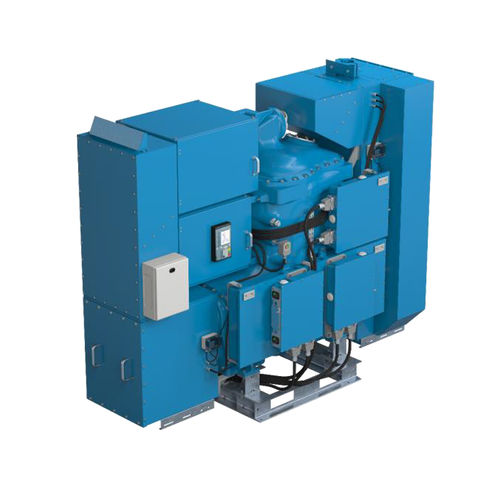
72.5kV Gas Insulated Switchgear (GIS) with Vacuum Interrupter is a compact high-voltage switching system that uses vacuum circuit breaker technology for arc interruption while using an insulating gas medium (such as SF6 or environmentally friendly gas) for insulation of the GIS compartments.
Unlike traditional SF6 circuit breakers, the vacuum interrupter (VI) extinguishes the arc inside a sealed vacuum bottle, providing excellent switching performance, low maintenance requirements, and reduced environmental impact.
It is widely used in 66kV transmission and sub-transmission networks, industrial substations, renewable energy plants, and urban power systems.
2. Typical Technical Specifications
·Equipment Type: Gas Insulated Switchgear with Vacuum Circuit Breaker
·Rated Voltage: 72.5 kV
·System Voltage Class: 66 kV
·Rated Frequency: 50 / 60 Hz
·Rated Current: 1250 / 2000 / 3150 A
·Short-Time Withstand Current: 25 / 31.5 / 40 kA (3 s)
·Short-Circuit Breaking Current: 25–40 kA
·Peak Withstand Current: 63–100 kAp
·Power Frequency Withstand Voltage: 140 kV (typical)
·Lightning Impulse Withstand Voltage (BIL): 325 kVp
·Insulation Medium: SF6 / Clean Air / Alternative Gas
·Circuit Breaker Type: Vacuum Interrupter
·Installation: Indoor GIS building / Outdoor GIS enclosure
·Mechanical Endurance: M2 class (typical)
3. Main Components
1.) Vacuum Circuit Breaker (VCB)
·Uses vacuum interrupters to extinguish electrical arcs
·Provides fast fault interruption
·High electrical endurance
·Low contact erosion
·Minimal maintenance compared with SF6 interrupters
Typical functions:
·Short-circuit interruption
·Transformer protection
·Line switching
·Generator protection
2.) Gas Insulated Enclosure
·Metal-encapsulated compartments
·Prevents contamination and moisture ingress
·Provides compact insulation design
·Suitable for limited-space substations
3.) Main Busbar
Encapsulated conductor system
Available configurations:
·Single busbar
·Double busbar
·Sectionalized busbar
4.) Disconnect Switch
·Provides electrical isolation during maintenance
·Operated manually or electrically
5.) Earthing Switch
Types include:
·Maintenance grounding switch
·High-speed grounding switch
Functions:
·Discharges trapped electrical energy
·Ensures personnel safety
6.) Current Transformer (CT)
Used for:
·Protection relays
·Measurement
·Metering
7.) Voltage Transformer (VT)
Provides voltage signals for:
·Protection
·Synchronization
·Monitoring
4. Advantages of Vacuum Interrupter GIS
* Environmentally friendly
·Reduces dependence on SF6 interruption technology
* Low maintenance
·Vacuum interrupters have long service life
* High switching reliability
·Excellent performance for frequent operations
* Compact structure
·Much smaller than AIS equipment
* High safety
·Sealed gas compartments protect internal components
5. Typical Applications
72.5kV Vacuum GIS is commonly installed in:
·66kV transmission substations
·Renewable energy substations
·Wind and solar collector stations
·Industrial power plants
·Railway traction substations
·Urban underground substations
·Distribution network upgrades
6. Typical GIS Bay Arrangement
Common configurations:
Single Busbar
·Cost-effective
·Simple operation
Double Busbar
·Improved operational flexibility
Ring Main Arrangement
·High supply reliability
Breaker-and-a-Half
·Used for critical substations
7. Applicable Standards
·IEC 62271-1 — High-voltage switchgear common requirements
·IEC 62271-100 — High-voltage AC circuit breakers
·IEC 62271-102 — Disconnectors and earthing switches
·IEC 62271-203 — Gas-insulated metal-enclosed switchgear above 52kV
·IEEE C37 series — High-voltage switchgear standards
Summary:
A 72.5kV Gas Insulated Switchgear with Vacuum Interrupter is a compact 66kV-class high-voltage GIS system combining gas insulation with vacuum circuit breaker technology. It typically provides 1250–3150A rated current, 25–40kA fault interruption capability, long service life, low maintenance, and environmentally improved operation for modern substations.