#Product Trends
7 Rugged Docking Station Benefits for Industrial Fleets and Field Vehicles
What Is a Rugged Docking Station? A rugged docking station is a reinforced mount and connection platform. It holds industrial tablets or mobile computers in harsh work settings. Unlike consumer docks, it supports power delivery, data transfer, lockin
1. Stable Power Delivery Protects Tablets in Vehicle Environments
Forklifts, mining vehicles, and transport fleets often generate unstable electrical loads. Voltage spikes from ignition systems or motor cycles can damage internal tablet components over time.
A rugged docking station helps isolate that risk.
Depending on the deployment design, rugged docking systems may include regulated power input or protected vehicle power integration to help reduce electrical instability. This protects charging circuits, processors, and internal batteries during long shifts.
For vehicle-mounted deployments, stable power reduces replacement rates. This helps reduce unexpected hardware downtime.
Why This Matters for Fleet Operations
A failed port can remove a device from service. A damaged battery can stop an entire shift.
For fleets running route management, barcode workflows, or warehouse dispatch, dock-level power protection becomes part of uptime strategy. That affects cost.
2. Secure Mounting Prevents Shock Damage During Movement
Industrial tablets rarely sit on clean desks. They operate on vibrating forklifts, rough roads, warehouse racks, and field vehicles.
Movement destroys weak mounts.
A vehicle docking station secures the device using reinforced brackets, locking systems, and mechanical support. This helps reduce:
Connector fatigue
Port misalignment
Screen shake
Tablet drops
Structural cracking
For forklift fleets, a forklift tablet mount often needs VESA compatibility and anti-vibration design.
A secure dock protects both the tablet and operator workflow.
3. Reliable I/O Ports Support Industrial Peripherals
Many industrial workflows depend on more than touchscreens. Operators connect:
Barcode scanners
RFID readers
Ethernet cables
USB devices
CAN bus systems
Serial peripherals
A rugged dock becomes the integration hub.
Instead of plugging cables into the tablet body each day, accessories connect through the dock. This reduces wear on the device and simplifies maintenance. That saves repair cycles.
Why Industrial Tablet Docks Matter in Warehouses
Warehouse teams need persistent data flow. If a scanner disconnects during pallet movement or shipment confirmation, workflow stalls.
A properly designed industrial tablet dock keeps data paths stable under vibration and repeated shifts. It protects throughput.
4. Rugged Docking Stations Improve Connectivity in Remote Areas
Signal loss is common in:
Container yards
Ports
Mining areas
Open industrial zones
Construction fleets
Steel walls and distance weaken transmission.
Some rugged docking station designs can support external antenna integration for stronger LTE, Wi-Fi, or GPS connectivity in challenging environments. This helps vehicle-mounted tablets maintain stronger coverage.
Stable signal coverage becomes critical for fleet visibility and dispatch accuracy. This is especially useful in dispatch systems, telematics, and fleet tracking.
Rugged docking station routing external antenna signal to vehicle-mounted industrial tablet
External Antenna Signal Flow
5. Cable Management Reduces Safety Risks
Loose wires create real hazards. In vehicles and warehouse cabins, exposed cables can:
Catch boots
Interfere with pedals
Disconnect under movement
Wear against metal edges
Increase service time
A rugged docking station often includes structured cable routing channels or protected rear exits. That keeps the work zone cleaner and safer.
Why Fleet Tablet Deployment Needs Clean Wiring
Technicians need fast replacement. If cables are tangled behind dashboards or vehicle frames, maintenance time increases.
Organized routing improves:
Repair speed
Inspection visibility
Safety compliance
Device replacement efficiency
Simple changes matter.
Cable management layout inside rugged docking station for fleet tablet deployment
Cable Routing Layout
6. Extreme Temperature Support Extends Device Life
Cold-chain logistics, food warehouses, and outdoor industrial fleets often work in unstable temperatures. Standard docks struggle.
Rugged docking systems are designed to work reliably in wider temperature ranges. They can be paired with rugged tablets for cold storage, outdoor fleets, and harsh industrial environments.
This matters in:
Freezers
Ports
Desert fleets
Oil field vehicles
Outdoor logistics hubs
Thermal stress shortens hardware life. A rugged design slows that damage.
Rugged docking station operating in cold storage and high-temperature industrial environments
Thermal Resistance Graphic
7. Better Security Lowers Asset Loss
Industrial tablets cost money. Data loss costs more.
A rugged docking station often includes locking systems that reduce unauthorized removal during transport, shift changes, or outdoor operation.
Security features may include:
Key locks
Latching arms
Steel enclosures
Fixed mounting points
That protects assets. For shared fleets, this also improves accountability.
How Emdoor Supports Rugged Docking Station Deployment
Not every fleet uses the same vehicle layout. Some need crane mounting. Some need forklifts. Some need warehouse walls. Some need mobile service trucks.
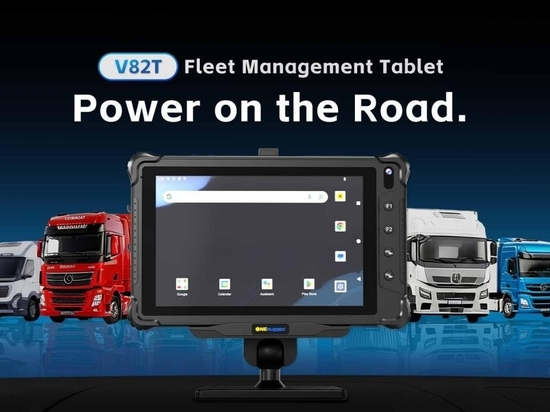
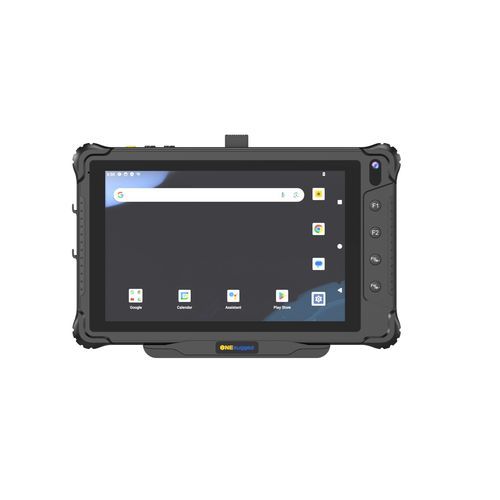
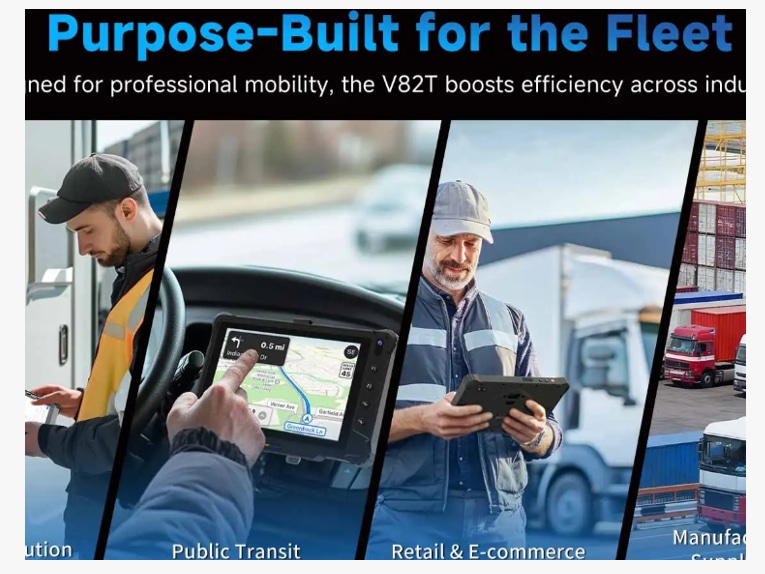
Emdoor supports rugged mobility deployments through industrial tablets, vehicle-mounted computing solutions, and hardware integration options designed for harsh-use environments. Deployment varies. This is where hardware compatibility matters more than generic docks.
You can pair rugged docking solutions with industrial tablet platforms, vehicle-mounted computing systems, and custom deployment configurations based on workflow needs.
Emdoor rugged docking station integrated with industrial tablets and fleet deployment systems
Emdoor Deployment Ecosystem
Choosing the Right Rugged Docking Station
Before selecting a dock, teams should evaluate:
Mounting location
Vehicle vibration levels
Required I/O ports
Power input type
Wireless signal needs
Operating temperature
Security requirements
Maintenance access
Each factor affects lifecycle cost. Not all docks fit industrial fleets.
Final Take: Rugged Docking Stations Drive More Than Device Protection
A rugged docking station is no longer a simple accessory. In industrial environments, it supports power stability, secure mounting, signal integrity, safer cable routing, and longer hardware life.
This directly affects fleet uptime and long-term maintenance cost.
As fleets become more connected, the dock becomes part of infrastructure—not a holder on the side of a tablet. The next deployment decision should start there.