#Industry News
The Hidden Bottleneck
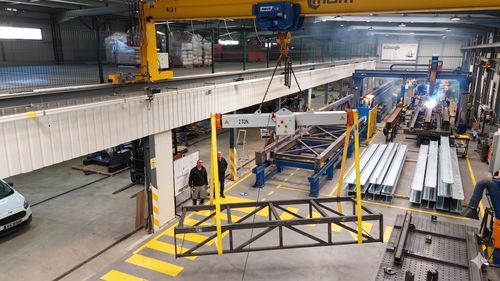
How many times a week does your team wait for a crane just to rotate a part?
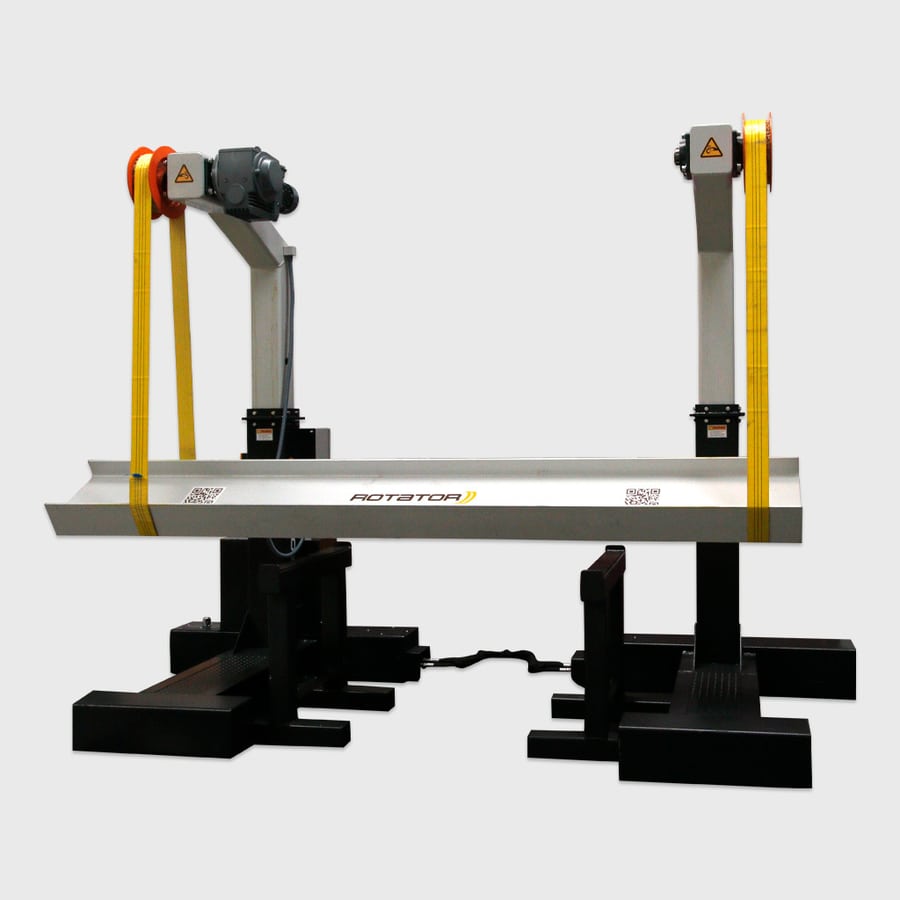
How many times a week does your team wait for a crane just to rotate a part? If the answer is "too many", you're not alone. Manual rotation is consistently the number-one untracked bottleneck — not because it's slow once, but because it's slow every single day. In 2025, researchers at Malaysia's Universiti Teknologi MARA found that manual positioning and setup consumed 25.8 hours per frame. A typical rotation means 10 to 20 minutes lost per manual turn, multiple operators coordinating and crane scheduling delays. Multiply that by rotations per day and days per year, and you're suddenly losing 500+ operator hours annually on positioning alone — before even counting crane wait time, rework and accidents. Why doesn't this show up on your radar? It never appears on timesheets (everyone still clocked eight hours), it feels like "part of the job" because it's always been done that way, and there is no single catastrophic delay — just 12 minutes here, 15 minutes there. Industry 4.0 researchers call it "normalized inefficiency": the kind that becomes invisible precisely because it happens every day. The question is how much time your shop is losing. Quick test: track rotation wait time for one week — the number might shock you. The most productive workshops we know don't work harder; they remove friction from the process.