#Industry News
Differences between industrial scales and industrial balances
Which equipment is the right one? We explain the differences between the two.
When selecting the right weighing equipment for industrial environments, it is common to have doubts between two key concepts: industrial scale and industrial balance. Although both devices are used to measure weight, their characteristics, uses, and capacities are different. Understanding these differences will help you choose the most suitable solution for your operation.
What is an industrial scale?
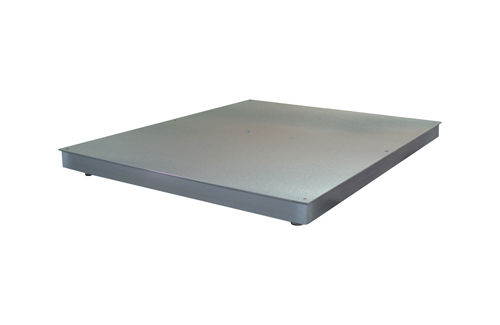
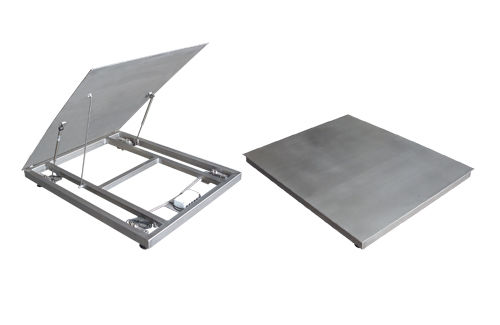
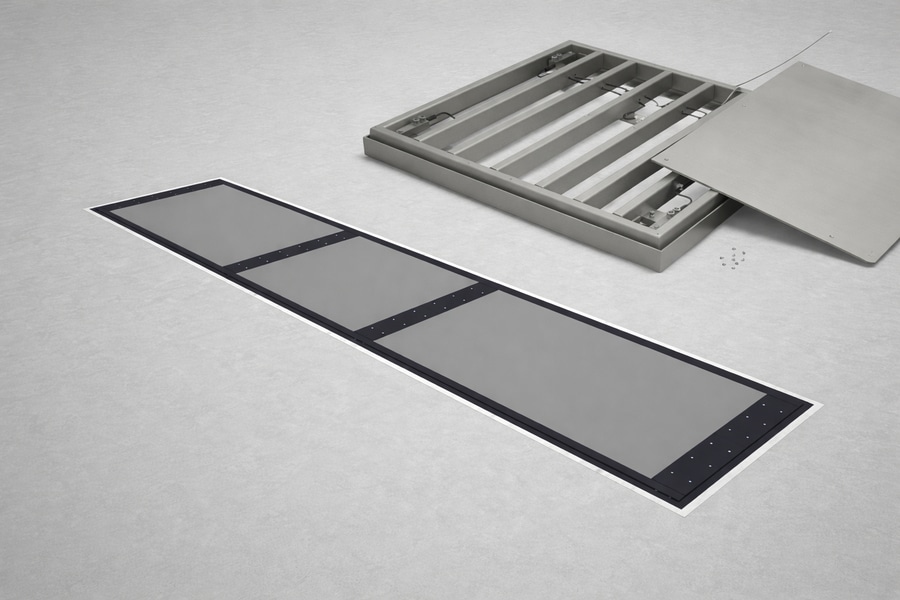
An industrial scale is designed to weigh much heavier loads than a balance. It is characterized by its robustness and durability, being able to operate under demanding conditions. Industrial scales can be fixed or mobile, integrated into production lines, or function as standalone systems.
Main features:
High load capacity: from several hundred kilograms to tens of tons
Robust construction: withstands intensive use and harsh conditions (humidity, dust, vibrations)
Wide variety of formats: floor scales, truck scales, pallet scales, among others
Applications:
Weighing trucks or containers in logistics facilities
Production control on assembly lines
Inventory management in warehouses
Industrial integration: connectivity with management software (ERP, MES) and automation
What is an industrial balance?
An industrial balance is a weighing instrument designed to provide high precision, especially when measuring smaller objects. This type of equipment is essential in processes that require exact accuracy, such as quality control or product formulation.
Main features:
High precision: measures from grams to kilograms with great accuracy
Compact design: ideal for use on workbenches or production stations
Easy integration: can be connected to quality control or traceability systems
Applications:
Food industry (ingredient weighing)
Chemical or pharmaceutical industry (formulation)
Assembly of electronic components
Common types: bench balances, laboratory balances, counting scales
How to choose between an industrial scale and a balance?
The decision should be based on several key factors:
Type of product or load to be weighed: for small or high-value items, prioritize the precision of a balance. If you work with pallets, machinery, or vehicles, you will need a scale.
Operating environment: balances are ideal for clean indoor environments; industrial scales withstand harsher conditions.
Integration needs: modern industrial scales integrate easily with control software.
Frequency of use: if weighing is constant or automated, a robust industrial scale is the best choice.
Its adaptability makes it a useful device both in automated production lines and in manual or semi-automatic control stations.
Advantages of having the right weighing system
Operational efficiency
Error reduction
Cost control
Regulatory compliance
Customer satisfaction
Why choose Giropes?
At Giropes, we design and manufacture weighing solutions tailored to different industries and needs. From high-precision industrial balances to truck scales and production line systems, our products combine reliability, technology, and ease of integration.
Our technical and commercial team can help you select the right system and support you throughout the implementation process, with ongoing assistance and customized solutions.
Do you need help choosing the right weighing system?
Contact us and one of our specialists will advise you with no obligation. Make sure your business has the weighing solution it truly needs.