


#Industry News
How Do I Choose the Right PVD Coating Machine?
Help you select the coating equipment that is most suitable for you
A PVD coating machine should be selected around the parts you produce, the coating they need and the volume you can load each week. Start with a production requirement, then ask suppliers to demonstrate it on your parts.
1. Define the Application First
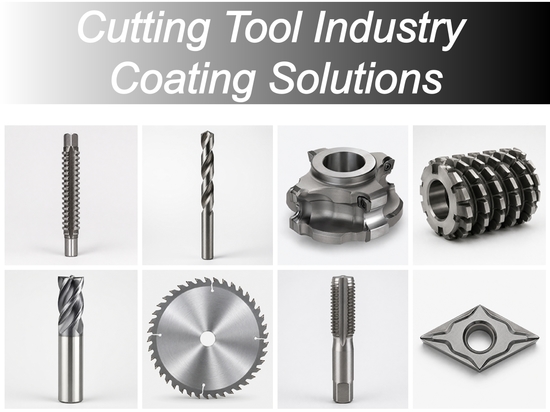
For cutting tools, record the tool material, geometry, workpiece material and machining conditions. An end mill used for hardened steel needs a different coating assessment from a drill used for aluminum. Use tool life and edge integrity as acceptance criteria.
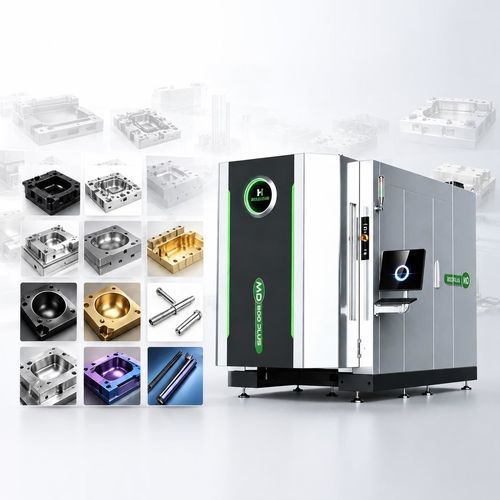
For molds and precision components, identify the wear mechanism, contact conditions and dimensional tolerance. For decorative products, define the approved color, surface finish and appearance limits. These requirements help narrow the choice of PVD coating equipment before you compare models.
2. Check the Substrate and Temperature Limit
Give the supplier the substrate grade, heat treatment, hardness and maximum permitted coating temperature. A recipe that produces a good film can still damage a temperature-sensitive part.
Ask for the actual process temperature on a representative load. The machine's maximum working temperature describes its capability; it does not establish a suitable recipe for your substrate. Discuss cleaning, preparation and masking.
3. Match the Deposition Technology to the Coating
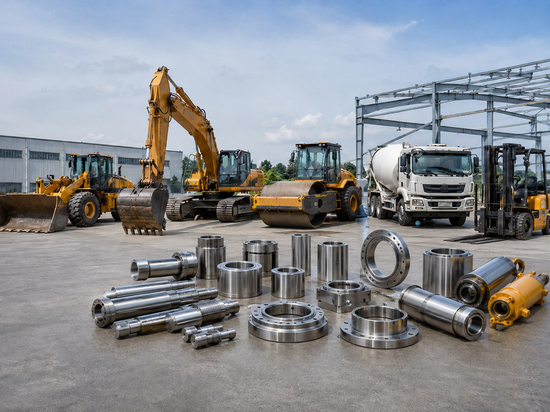
AIP coating equipment is a candidate for hard coatings on cutting tools, molds and wear parts. Evaluate adhesion and surface roughness together. Arc droplets can affect the finish, so include any required polishing in the production plan.
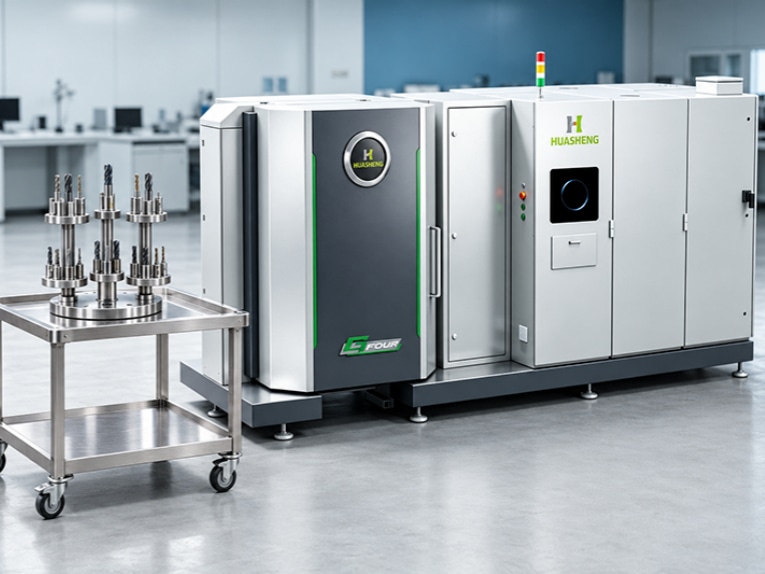
HiPIMS coating equipment deserves evaluation when coating density, surface smoothness and control of film properties are priorities. Huasheng's GFOUR is a HiPIMS-based system for cutting tools and precision components. Confirm the result through coating measurements and application trials.
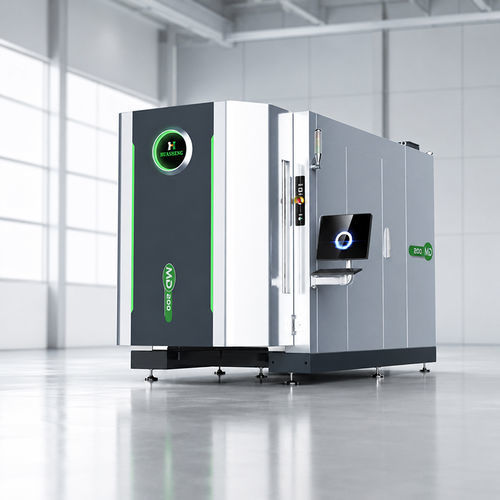
Hybrid PVD coating equipment can support production that requires multiple deposition methods. Huasheng's HD800 combines arc ion plating, DC magnetron sputtering and HiPIMS. Ask which sources and recipes are included in the proposed configuration.
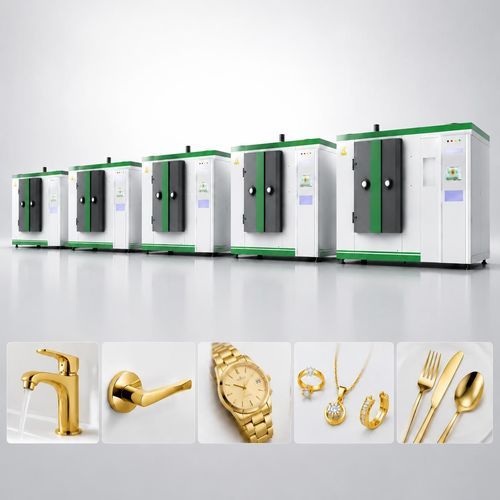
For hardware and appearance parts, assess decorative PVD coating equipment against approved samples. Check color and finish across the load, including less exposed surfaces.
4. Calculate Capacity Using Your Own Parts
Chamber dimensions do not tell you how many acceptable parts a machine can produce. Ask for a loading layout showing fixture positions, rotation, spacing and usable coating height.
Request capacity figures for your drawings and fixtures. Published loading figures normally refer to specific part sizes.
Calculate output from the complete cycle: loading, pump-down, heating, etching, deposition, cooling and unloading. Allow for cleaning and maintenance. Regularly running half-empty batches can increase the cost per part.
5. Require a Representative Coating Trial
Send production parts with the same material and surface preparation used in your factory. Agree on coating thickness, adhesion, roughness and other relevant acceptance criteria before the trial.
For cutting tool coating solutions, run machining tests under comparable cutting conditions and define the tool-change criterion. Inspect decorative coatings under consistent lighting.
Check samples from several fixture positions and request repeated batches. One successful sample does not establish uniformity or batch-to-batch consistency.
6. Compare the Cost per Accepted Part
A PVD coating machine cost assessment should include fixtures, targets, gases, electricity, cooling, labor, maintenance and quality inspection. Include cleaning equipment and post-treatment where the process requires them.
Divide operating costs by accepted output, allowing for rejects and realistic machine utilization. Ask suppliers to state the load size, recipe and cycle assumptions behind their estimates. Long cycles and frequent rework can restrict output.
7. Confirm Support and Prepare a Clear Inquiry
Ask the PVD coating machine manufacturer to specify installation, training, process commissioning, spare parts and service arrangements. Define acceptance tests and responsibilities in the quotation.
For a Huasheng equipment inquiry, provide part drawings or photographs, substrate details, coating requirements, monthly volume and available utilities. Request a proposed process route, loading plan and trial procedure.
Choose the machine after these checks establish three things: it produces the required coating, meets your practical output target and delivers an acceptable cost per finished part. That gives the purchase decision a measurable basis.
 鄂公网安备42018502009509号