


#Product Trends
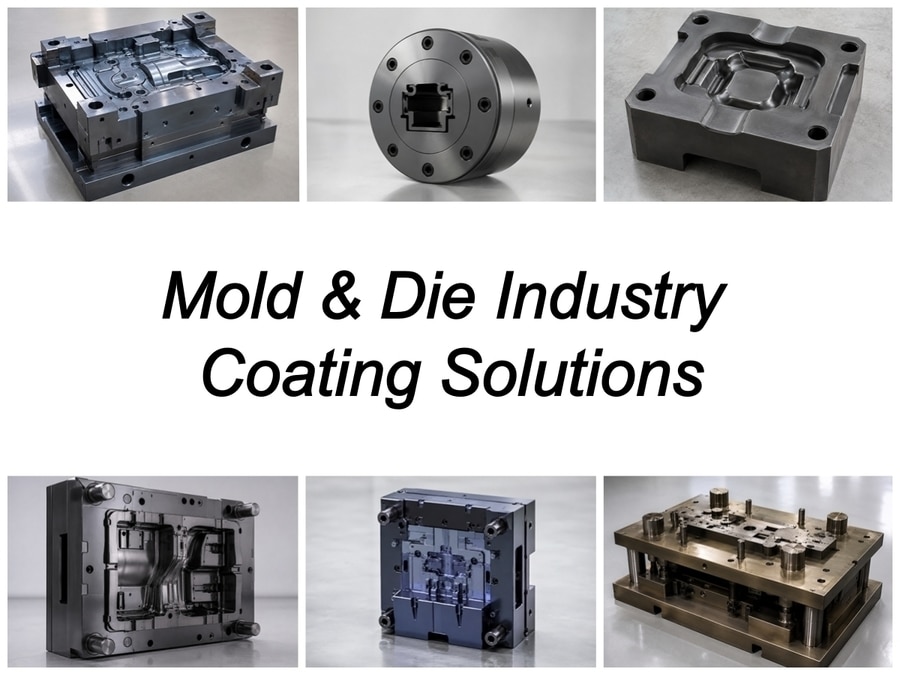
Mold & Die Industry Coating Solutions
Huasheng help you to solve coating problems
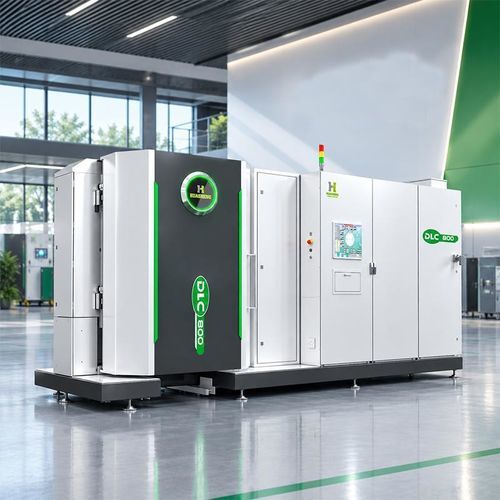
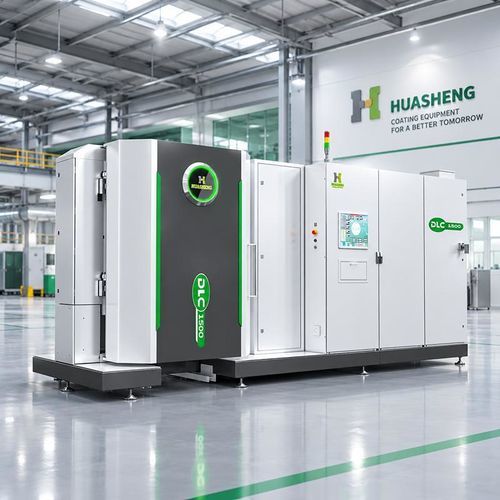
Huasheng provides advanced mold coating solutions and die coating equipment for mold manufacturers,
surface treatment companies, and industrial production plants.Our coating systems help improve mold hardness, wear resistance, release performance, corrosion resistance, and service life.
Challenges in Mold & Die Coating Production: Mold and die manufacturers face increasing requirements for longer mold life, higher production stability, better product surface quality, and lower maintenance costs. A stable mold coating solution helps reduce wear, sticking, corrosion, and thermal fatigue in industrial mold production.
1. Mold Wear and Surface Damage: Molds are exposed to continuous friction, pressure, and impact during production. Without suitable surface protection, stamping dies, forging dies, and extrusion dies may suffer from wear, scratches, edge damage, and surface fatigue.
2. Poor Release Performance: Injection molds, die casting molds, and precision molds often require better release performance. Low-friction coatings help reduce sticking, improve demolding, and maintain stable product surface quality.
3. High Temperature and Thermal Fatigue: Die casting dies, forging dies, and extrusion dies work under high temperature and repeated thermal cycling. Suitable PVD coating equipment for molds can help produce coatings with better thermal stability and surface protection.
4. Corrosion and Chemical Attack: Some injection molds and special molds may face corrosion from plastics, additives, gases, or forming materials. Corrosion-resistant coatings help protect mold surfaces and reduce cleaning and maintenance frequency.
Mold Types We Support: Huasheng provides mold coating solutions for different mold structures, materials, and working environments.
1.Stamping Dies: For blanking dies, forming dies, drawing dies, bending dies, progressive dies, and metal stamping dies. Suitable coatings help improve wear resistance, reduce edge damage, and extend stamping die life.
2.Injection Molds: For plastic injection molds, engineering, plastic molds, glass-fiber reinforced plastic, molds, and precision injection molds. DLC, CrN, and HiPIMS coatings help improve release performance, reduce sticking, and protect mold cavities.
3.Die Casting Dies: For aluminum die casting molds, magnesium alloy molds, zinc alloy molds, mold inserts, and die casting cores. Suitable coatings help reduce sticking, erosion, thermal fatigue, and surface damage.
4.Forging Dies: For hot forging dies, cold forging dies, forming dies, heavy-duty forging molds, and high-load mold parts. PVD and hybrid coatings help improve high-temperature wear resistance and surface protection.
5.Extrusion Dies: For aluminum extrusion dies, copper extrusion dies, plastic extrusion molds, profile extrusion dies, and forming dies. Coatings help reduce friction, material adhesion, and mold surface wear.
6.Precision / Special Molds: For medical molds, electronic component molds, optical molds, micro molds, special material molds, and customized precision molds. HiPIMS, DLC, ta-C, and hybrid coating solutions help achieve better surface stability and high-precision mold performance.
Equipment Value for Mold & Die Manufacturers:
1.Extend Mold Service Life: DLC coatings help reduce wear, fatigue, and surface damage, extending mold service life.
2.Improve Release Performance: Low-friction coatings reduce sticking and support smoother demolding for mold parts.
3.Reduce Maintenance Cost: Stable coatings help reduce polishing, cleaning, repair, and replacement costs.
4.Improve Product Surface Quality: Smooth coated surfaces help reduce scratches, sticking marks, and surface defects.
5.Support Different Mold Types: Suitable for injection molds, precision molds, inserts, cavities, and special mold parts.
6.Build In-House Coating Capability: In-house DLC coating improves delivery speed, quality control, and process flexibility.
From Mold Analysis to Coating Production
1.Mold & Application Analysis: Analyze mold type, mold material, working temperature,forming material, surface problem, mold size, and coating requirements.
2.Coating Process Recommendation: Recommend suitable coating systems such as TiN, TiAIN, CrN, DLC, ta-C, HiPIMS, AIP, or hybrid coating according to mold application.
3.Equipment Selection: Select suitable mold coating equipment based on mold size, chamber capacity, coating type, loading method, production volume, and factory layout.
4.Fixture & Loading Design: Design customized fixtures for different mold shapes, inserts, cavities, cores, and heavy mold parts to improve coating uniformity and loading efficiency.
5.Installation & Training: Provide equipment installation, commissioning, operator training, and coating process guidance for stable mold coating production.
6.Long-Term Technical Support: Support coating process optimization, spare parts supply, equipment maintenance, and after-sales service for long-term mold coating production.
 鄂公网安备42018502009509号