#Product Trends
Ladle Transfer Cart
Mobile Equipment for Transporting High-Temperature Materials
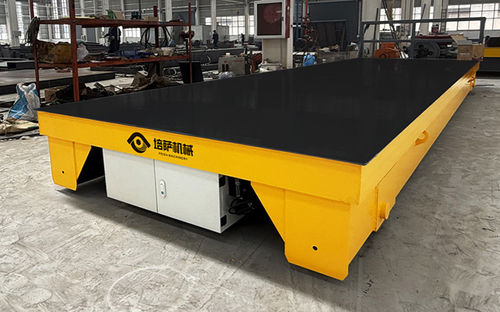
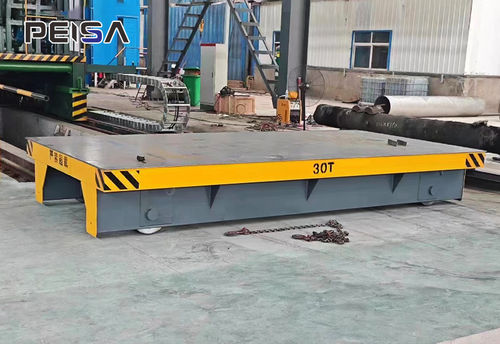
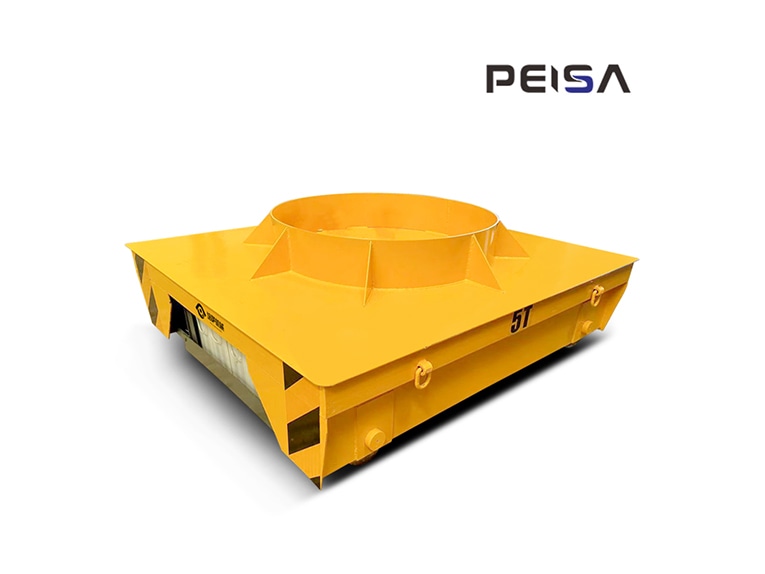
Ladle Transfer Cart: Safety and Performance in Extreme Steel Mill Environments
In steel mills, molten materials such as steel ladles and slag are handled daily. Transporting ladles is not just a routine task—it is a critical stage in steel production that directly affects operational efficiency and worker safety. Unlike ordinary transport equipment, a ladle transfer cart is designed to operate in one of the harshest industrial environments on earth, where extreme temperatures, heavy loads, and safety hazards are constantly present.
Harsh Operating Environment
The ladle transfer cart works in environments that ordinary industrial vehicles cannot withstand. Its primary task is to transport molten steel contained in ladles, with temperatures reaching 700–1000°C. At such extreme heat levels, standard electric transport equipment would fail within minutes due to overheating or electrical failure. However, ladle transfer carts must remain stable and operational year-round, often working in three-shift continuous production systems.
Steel mill environments present multiple challenges:
High ambient temperature – Workshop temperatures often exceed 40°C, placing heavy demands on equipment heat resistance.
Dust and metal particles – Iron oxide dust and steel residue can damage motors and electrical systems if not properly protected.
Rough working surfaces – Ground surfaces are often covered with slag and debris, increasing the risk of equipment tilting or slipping.
These challenges require specialized equipment engineered with durability, strong load-bearing capacity, and high safety standards.
Safety Features: Built to Protect Lives
In ladle handling operations, any equipment failure can cause molten steel spills, explosions, or fatal injuries. Therefore, every safety feature matters. The ladle transfer cart is designed with multiple layers of protection to minimize risks:
Anti-tipping structure
The frame is widened and reinforced to ensure stability during movement. This prevents swaying or tipping when traveling over uneven flooring or when braking suddenly.
High-temperature protection
To guard against extreme heat, critical parts of the cart are protected with thermal insulation materials such as refractory bricks and fire-resistant coating. Electrical components are shielded to prevent overheating and short circuits.
Emergency safety system
The cart is equipped with a one-touch emergency stop button, often known as a red mushroom switch. In case of danger, the operator can stop the vehicle instantly—full braking occurs within 3 seconds to prevent accidents.
Safety Beyond Equipment
Using ladle transfer carts safely involves more than just reliable machinery. Proper safety protocols must also be established:
Operators must receive professional training before use.
Daily inspections should be carried out to check tires, hydraulic systems, and brakes.
Emergency procedures should be clearly defined and practiced regularly.
Communication between forklift, crane, and cart operators must be synchronized.
Conclusion
Ladle transfer carts are indispensable equipment in steel foundries, handling some of the most hazardous materials used in manufacturing. They are engineered to survive extreme heat, high workloads, and harsh environments while ensuring the highest possible level of safety. However, true safety does not rely on equipment alone—it requires careful operation, continuous maintenance, and a strong commitment to workplace safety standards.
By choosing a professional ladle transfer cart and enforcing strict operating procedures, steel mills can ensure both production efficiency and worker safety. At the end of the day, every worker deserves to return home safely.