
#Product Trends
Finding Your Perfect Composting Match: Guide to A Smarter Choice
8 Key Factors to keep in mind
Composting is a simple yet powerful way to reduce organic waste, fight climate change, and regenerate soil. Every banana peel or coffee ground composted is a small step toward a more sustainable living and a greener planet!
Composting can take place at a range of scales and locations. The fundamentals of composting are the same. However, the volume and type of materials composted, the composting method and the tool used may differ.
How to find the right way for you with various composting options available? We will help you out with below guide. Walk through and make your best choice that aligns with your need, space, budget and goal. We will explore the key insights into different composting methods, their benefits and best applications together.
Dive into Different Composting Methods
1. Backyard Composting
Best for: Residential settings with enough outdoor space, such as gardens or backyards.
How it works: Use a bin or pile for food scraps, coffee grounds, eggshells, and yard trimmings.
Pros: Low-cost, scalable, excellent for gardens.
Cons: Require outdoor space, slower in cold climates, take months to produce compost, and may attract pests if not managed properly.
Tools: In-vessel composters enclose the composting process in a container, allowing better control over temperature, moisture, and aeration.
2. Bokashi Composting
Best for: Apartments, small households, urban dwellers, ideal for meat and dairy waste.
How it works: Use special inoculated Bokashi bran as medium to ferment food waste anaerobically (no oxygen) in a Bokashi bucket.
Pros: Compact, odorless, no turning required, easy to maintain.
Cons: Continuous cost for Bokashi bran, pre-compost usually requires further breakdown in soil to complete the process.
Tools: Bokashi buckets are compact and odorless, ideal for indoor use. It usually has a tap on the bottom that allows for liquid drainage.
3. Worm Composting
Best for: Apartments, small households, moderate food waste levels, ideal for plant-based food scraps.
How it works: Use red wigglers or other types of composting worms to break down food waste, producing nutrient-rich worm castings.
Pros: Odorless, great for indoor use.
Cons: Worms require feeding and consistent care (temperature, moisture), limited capacity, take months to produce compost.
Tools: Worm composters are bins with holes for ventilation and moisture. It’s almost always made with plastic and raised off the ground to allow water to drain out the bottom.
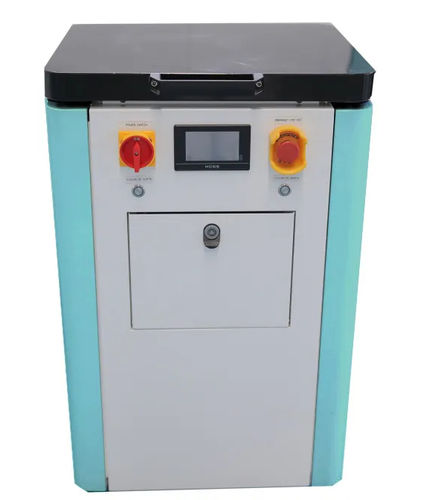
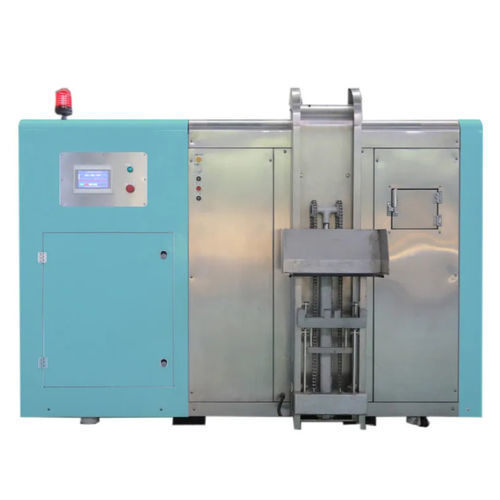
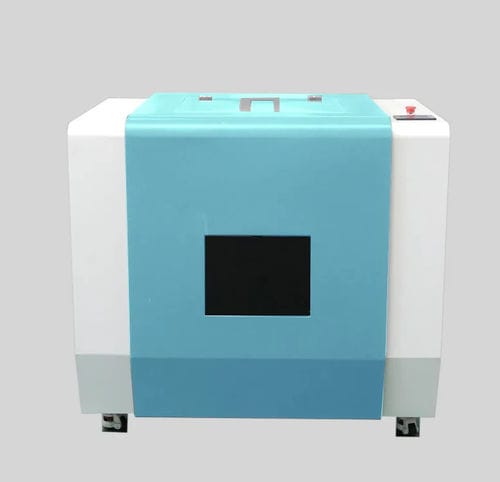
4. Electric Composting
Best for: Households, apartment dwellers, urban areas with limited outdoor space.
How it works: Use electric composters primarily focused on dehydrating and grinding up organic waste in a matter of hours.
Pros: Compact, fast in hours, odorless, low-maintenance, and space-efficient.
Cons: Comparatively expensive, require electricity to operate.
Tools: Electric composters are compact, plug-in devices that accelerate the composting process using grinding, heating, and aeration.
How to Find Your Right Composting Method
Consider below key factors when making a smarter choice:
Food Waste Capacity: Choose a composting method with a capacity that matches your waste output. Estimate your daily/weekly food waste amount generated. If you don’t currently separate food waste, conduct a typical 2-4 week trial to measure it. For seasonal variations, plan for peak waste levels.
Available Space: Consider the space you have available for the composting method. Indoor units like Bokashi buckets and electric composters are compact and suitable for kitchens or small spaces. Outdoor units, such as in-vessel composters and larger worm bins, require more space and are better suited for gardens or backyards.
Food Waste Type: Various composting methods are optimized for specific waste streams, with each method having unique capabilities for processing different types of food waste. Meat, dairy, and oily food waste works best with Bokashi buckets or electric composters. Plant-based food waste is ideal for in-vessel composters or worm bins.
Composting Speed: The time it takes to produce compost varies significantly between composting methods, from hours to months. Electric composters are the fastest, producing compost in hours to days. In-vessel composters typically take a few weeks, while Bokashi buckets require a fermentation period of about two weeks followed by additional composting or soil incorporation. Worm bins can take several months.
Ease of Use: Consider how much effort and time you are willing to invest in composting maintenance. Electric composters and Bokashi buckets are relatively low maintenance. Worm bins require regular feeding and monitoring of the worm population, while in-vessel composters might need occasional mixing and monitoring.
Odor Control: Odor is a common concern with composting. Look for composting methods with good odor control features. Bokashi buckets are known for being odorless, and electric composters often have built-in filters. In-vessel composters with proper ventilation and worm bins with adequate bedding can also minimize odors.
Environmental Impact: Evaluate the environmental impact of the composting method itself. Is it legal to discharge greywater into the drainage system? Electric composters use energy, which might offset some of the environmental benefits of composting. On the other hand, manual composters like Bokashi buckets and worm bins have minimal environmental footprints.
Budget: Food waste composters vary widely in price based on complexity and features. Determine your budget and find a tool that offers the best value for your money. While electric composters and in-vessel composters tend to be more expensive, but they offer convenience and speed. Bokashi buckets and worm bins are more affordable and eco-friendly.
The best composting method will fit with your lifestyle and goal, which might be a balance of your waste output, space, budget, and personal preference. If you're short on time and prefer a hands-off approach, an electric composter may be an ideal choice. Otherwise, a worm bin or Bokashi bucket can be a rewarding option.
By composting food waste, you're taking a significant step toward sustainable waste management, reducing landfill impact, and enhancing soil health. Each composting method offers unique benefits to suit different needs.
Although composters may require an initial investment, they offer long-term savings by cutting waste disposal costs and providing free, nutrient-rich compost for gardening or landscaping. With the right food waste composter, you can turn food scraps into a valuable resource that benefits both the planet and yourself.
About HONBASE
HONBASE, your trusted food waste composting expert. Headquartered in Long Grove, Illinois, USA, HONBASE is a wholly-owned subsidiary of MAT Holdings in China, with a sales office in Beijing and two manufacturing sites in southern and northern China. Our food waste composting machines serve customers not only in China but also globally in France, Spain, the United Kingdom, Ireland, Japan, South Korea, Slovakia and other countries.
Want to know more about HONBASE? You're always warmly welcome to reach out or visit us for a glimpse of the day-to-day production at your trusted food waste composting expert. You'll have the opportunity to gain an in-depth insight into our cutting-edge technology, production, values and much more. Feel free to contact us at [email protected] and we've got you covered 24/7/365.