#Product Trends
Meet iST's Cryo-Sensor: precision you can trust at 15 Kelvin
New thin-film platinum temperature sensor delivers reliable measurements in extreme cryogenic environments, supporting applications from liquid hydrogen systems to scientific research.
Innovative Sensor Technology IST AG introduces its new Cryo-Sensor, designed to provide precise and reliable temperature measurements in extreme low-temperature environments. Engineered for demanding cryogenic applications, the sensor addresses challenges such as reduced sensitivity, non-linearity, thermomechanical stress and long-term instability, which can significantly affect measurement accuracy at temperatures approaching 15 Kelvin.
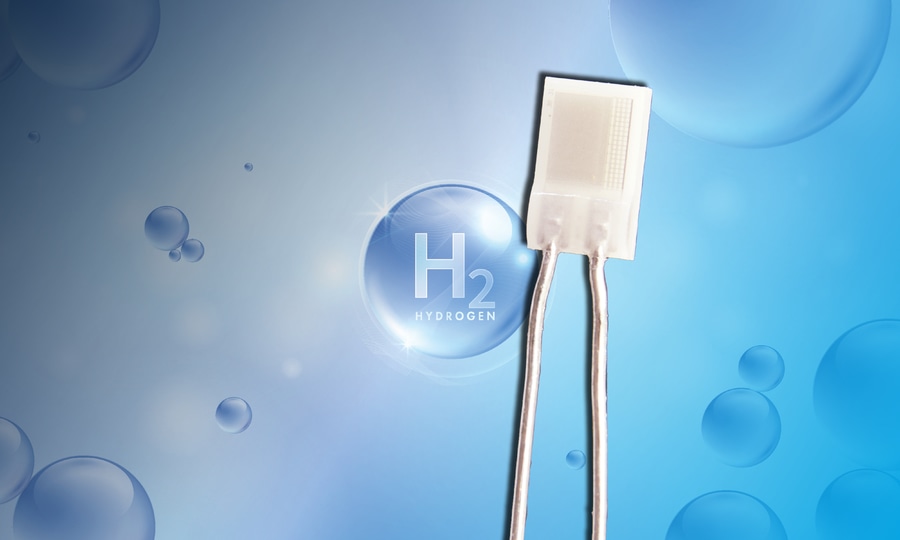
Based on advanced thin-film platinum resistance temperature detector (RTD) technology, the iST Cryo-Sensor PC1K0.216.7W.K.007 offers stable and reproducible measurement performance across a wide temperature range from −258 °C to +200 °C (15 K to 473 K). With a nominal resistance of 1000 Ω, the sensor combines reliable signal stability with a favorable cost-to-performance ratio, making it suitable for both industrial and scientific applications.
The sensor meets IEC 60751 Class F0.15 tolerances from −200 °C to +200 °C. For measurements between −258 °C and −200 °C, iST offers batch-calibrated versions with a tolerance of ±3 K, as well as individually calibrated versions providing enhanced accuracy of ±0.2 K. These options allow users to select the appropriate solution according to their specific measurement and precision requirements.
Designed for applications requiring dependable temperature monitoring under extreme conditions, the Cryo-Sensor is particularly suitable for liquid hydrogen (LH₂) systems, cryogenic process monitoring, liquefied gas storage and transportation, aerospace applications, scientific research, medical technology and low-temperature material testing. With both standard and individually calibrated configurations available, iST provides a flexible sensing solution for a broad range of cryogenic measurement challenges.