#Industry News
Successful Application of a Customized Explosion-Proof Communication System in an Offshore Drilling Platform Project
Customized Explosion-Proof Communication System in an Offshore Drilling Platform Project
In the highly specialized sector of offshore energy extraction, operational requirements extend far beyond conventional industrial standards. The challenging environment of offshore drilling platforms—characterized by remote locations, extreme weather conditions, and the constant presence of flammable hydrocarbons—demands equipment capable of performing with absolute reliability under the most stringent safety parameters. Within this context, the implementation of a fully customized explosion-proof communication system represents not merely an upgrade but a fundamental necessity for ensuring both operational continuity and personnel safety. A recent project involving the deployment of such a specialized system on a major offshore drilling platform demonstrates how tailored engineering solutions can effectively address these unique challenges.
The Critical Need for Specialized Communication Solutions
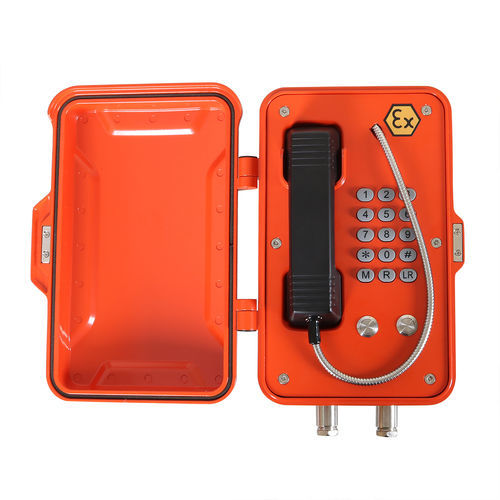
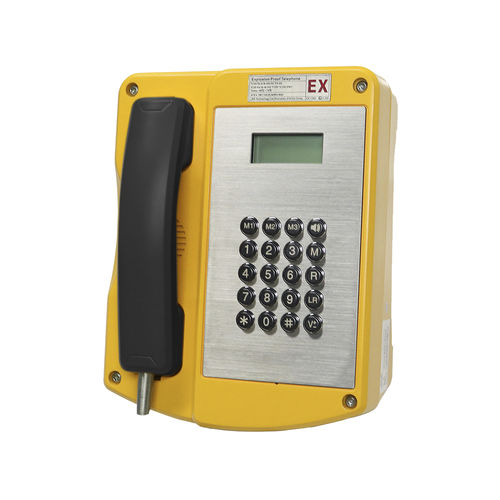
The operational environment of an offshore platform classifies it as a potentially hazardous area, where standard electronic devices pose a significant risk of ignition. The communication system deployed in this project is built around a core unit of intrinsically safe, explosion-proof telephones. These devices are engineered from the ground up to prevent any electrical or thermal energy from triggering a combustion event in the surrounding atmosphere. This involves a combination of fortified hardware and meticulously designed software. The hardware enclosure, constructed from high-grade, corrosion-resistant alloys, features reinforced seals and deeply recessed interfaces to contain any potential internal sparks and shield against the ingress of conductive salts and moisture. This physical robustness is matched by the device's internal electronic architecture, which adheres to the principles of intrinsic safety, rigorously limiting electrical energy within circuits to levels deemed safe for operation in classified hazardous zones.
Customized Interface for Operational Excellence
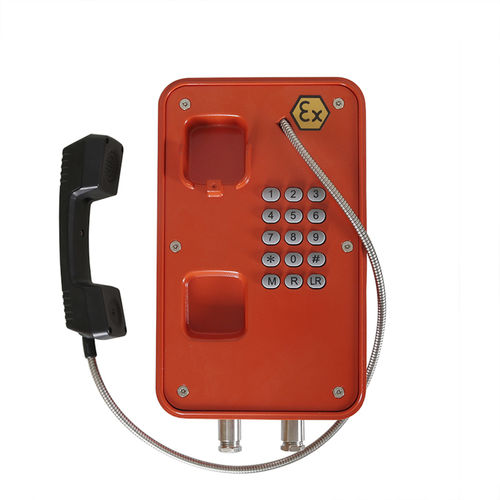
The user interface of the communication terminal reflects a deep understanding of offshore operational workflows. Unlike commercial communication devices, this specialized equipment features a robust, tactile button interface designed for intuitive operation even while wearing personal protective equipment. The layout prioritizes clarity and immediate accessibility, with clearly labeled functions that enable swift navigation between different communication channels and operational modes.
This customized interface allows platform personnel to maintain constant connectivity across various operational zones. The system supports multiple communication protocols, ensuring compatibility with existing platform infrastructure while providing enhanced functionality for specialized tasks. The design philosophy emphasizes operational efficiency—each element is positioned to minimize response time during critical operations and emergency situations. The intuitive nature of the interface significantly reduces training requirements while maximizing operational effectiveness, representing a perfect blend of sophisticated technology and user-centered design.
Comprehensive Engineering and Deployment Process
The development of this communication solution followed a rigorous engineering process, beginning with detailed requirements analysis and progressing through multiple stages of design validation. The engineering team conducted extensive environmental testing to ensure the system could withstand the harsh offshore conditions, including exposure to salt spray, extreme temperatures, and mechanical vibrations. Each component was selected and tested to meet the highest standards of reliability and durability.
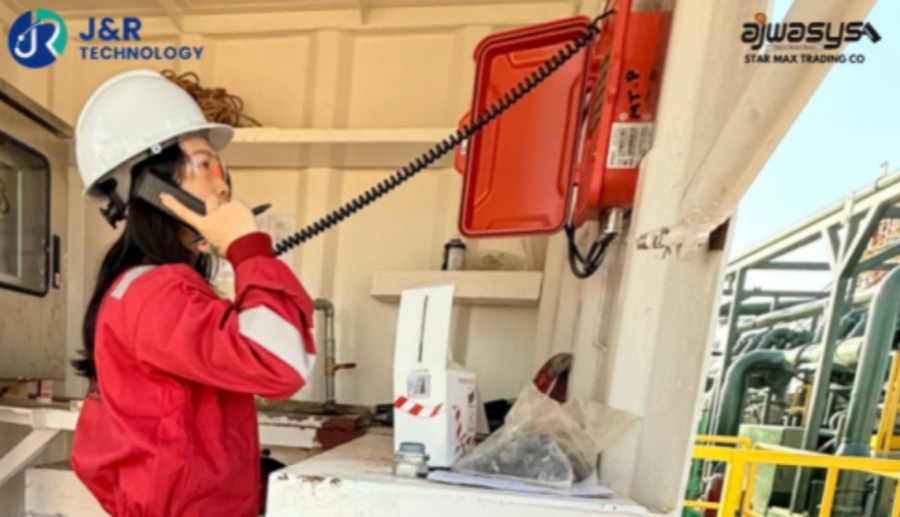
The deployment phase involved close coordination between engineering teams and platform operators. A dedicated field engineer was dispatched to the platform to oversee the final implementation and system integration. This on-site presence was crucial for addressing technical challenges in real-time and ensuring the seamless integration of the new communication system with existing platform infrastructure. The engineer conducted comprehensive performance validation tests, verifying system functionality under actual operating conditions and providing hands-on training to platform personnel.
System Integration and Operational Benefits
The successful integration of the communication system has delivered substantial operational benefits across multiple dimensions. The enhanced communication capability has improved coordination between different operational teams, enabling more efficient execution of complex tasks and maintenance procedures. The system's robust design has significantly reduced maintenance requirements and associated downtime, contributing to improved operational availability.
The implementation has also strengthened the platform's safety protocols by providing reliable, instant communication channels for emergency response situations. The system's redundant design features and fail-safe mechanisms ensure continuous operation even under challenging conditions, providing an additional layer of safety assurance for both personnel and assets. The communication system's compatibility with other safety systems on the platform creates a comprehensive safety network that enhances overall operational resilience.
Technical Innovation and Future Applications
The technological innovations incorporated in this communication system represent significant advancements in hazardous area communication technology. The development of specialized sealing techniques and advanced circuit protection methods has pushed the boundaries of what's possible in explosion-proof equipment design. These innovations not only benefit the current project but also provide valuable insights for future developments in industrial communication systems.
The success of this deployment demonstrates the effectiveness of a fully customized approach to industrial communication challenges. The lessons learned from this project, particularly regarding interface design and system integration methodologies, have broader applications across various industrial sectors where reliable communication in hazardous environments is essential. The project establishes a new benchmark for communication system performance in offshore environments and provides a proven template for similar implementations in other challenging industrial settings.
This comprehensive solution stands as a testament to how targeted engineering, combined with deep operational understanding, can create systems that not only meet immediate communication needs but also contribute significantly to overall operational excellence and safety culture in demanding industrial environments.