#Product Trends
Mining-Proof Phones Explained: The Engineering Behind J&R Industrial Telephone Durability
How J&R Industrial Telephones Are Redefining Safety in Mining Communication
Phones that won’t quit—explore the advanced engineering behind devices designed specifically to operate in harsh, high-risk mining zones. From explosion-proof builds to noise-canceling clarity, discover how a J&R industrial telephone is purpose-built to keep communication alive underground.
Communication Demands in Mining
Mining operations are among the harshest industrial environments on Earth. Deep underground, in open pits, or within dusty and damp tunnels, communication is not a luxury—it’s a lifeline. Reliable two-way voice systems enable workers to report emergencies, coordinate equipment movement, and maintain productivity where visibility and mobility are limited.
Ordinary telephones or handheld devices quickly fail in such conditions. Exposure to dust, humidity, vibrations, and extreme temperatures can compromise both performance and safety. That’s where the J&R industrial telephone steps in—engineered specifically to endure what others cannot. These phones bridge the communication gap, ensuring that even in electrically noisy or explosive areas, every call comes through clearly and safely.
For integrated communication across different industrial zones, see our insights on clean room intercom systems that share the same reliability standards.
Rugged Phone Standards
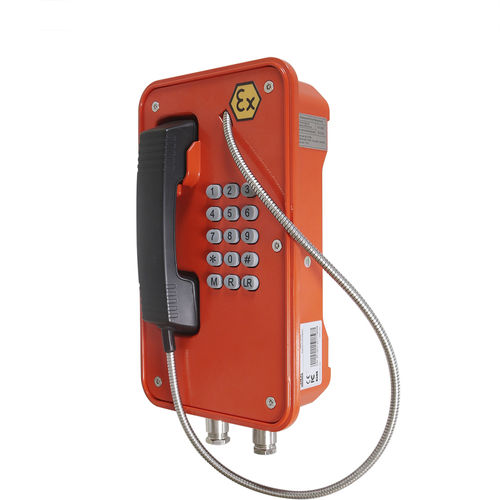
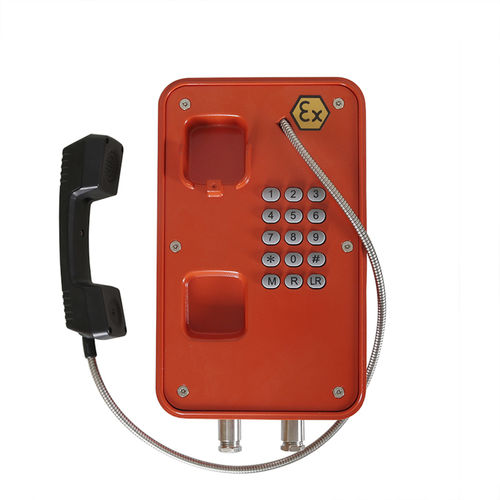
A truly mining-proof phone must meet a series of international safety and durability standards. The foundation begins with ATEX and IECEx certifications, which verify that the device can safely operate in explosive atmospheres containing flammable gas or dust. These standards ensure that internal electrical energy remains below ignition thresholds.
Beyond certification, design robustness defines a mining-proof phone. J&R industrial telephones are built using corrosion-resistant metals or industrial ABS housings, reinforced with stainless-steel hardware. The enclosures are sealed to achieve high IP ratings, typically IP66 or above, making them resistant to water ingress, dust penetration, and high-pressure jets.
The phones must also endure heavy mechanical stress. Drops, vibration, and impact are daily occurrences in mines. A rugged, anti-crush handset, armored cords, and reinforced mounting points all contribute to longevity. Many mining-grade telephones are tested to withstand temperatures from -40°C to +70°C, ensuring year-round operation in arctic or desert mining zones.
Safety Features Required
Safety in mining environments goes far beyond physical strength. The most critical feature of a mining-proof phone is its intrinsically safe design. This technology limits electrical and thermal energy within the device, preventing any spark or heat from igniting surrounding gases or dust particles.
Explosion-proof telephones like the J&R industrial telephone employ flameproof housings, heavy-duty gaskets, and anti-spark circuitry. They are purpose-built to isolate internal components from external hazards while maintaining dependable function.
Equally important are features that ensure communication clarity in high-noise areas. Integrated noise-canceling microphones filter out machinery sounds, while high-output speakers and hearing aid compatibility make sure messages are understood instantly—even with protective headgear on.
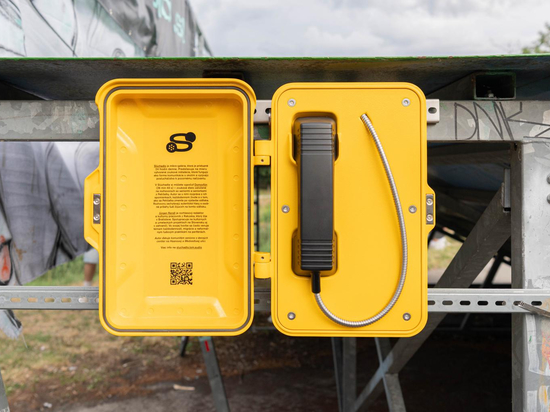
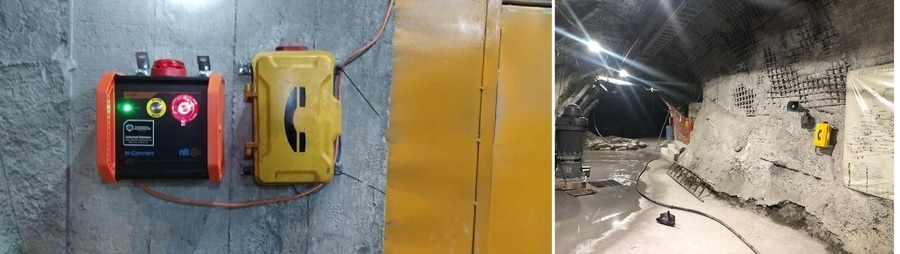
Additionally, mining telephones often integrate emergency call buttons, visual indicators, and external alarms, providing quick access to help when seconds matter. The devices must be visible even in low-light conditions, often incorporating bright colors or reflective elements for easy location.
Case Studies of Field Use
Mining operators across Asia, Africa, and Europe rely on J&R industrial telephones to maintain efficient, safe communication. In one underground coal mining project, phones were installed at key junction points where handheld radios were unreliable due to interference and echo. After deployment, emergency response times dropped significantly, and workers reported clearer voice transmission even during blasting operations.
Another project in South America integrated J&R’s explosion-proof models into a mine link resilience system—creating a redundant communication network that ensured zero downtime even during power outages or network disruptions. These real-world applications highlight not only the rugged construction of the phones but also their essential role in improving safety compliance and operational continuity.
Maintenance Tips for Longevity
Even the most durable phones require regular upkeep to guarantee long-term performance. Here are a few recommended practices for maintaining mining telephones:
Routine Inspection: Check for physical damage, loose connections, or corrosion on terminals and mounting brackets.
Seal Integrity: Ensure that all gaskets, cable glands, and covers remain properly sealed to maintain IP protection.
Cleaning Procedures: Use anti-static, non-corrosive cleaning agents to remove dust and residue from the handset and keypad.
Firmware and Function Checks: For smart or VoIP-enabled models, ensure that firmware updates and function tests are performed periodically.
Replacement Planning: Schedule proactive replacement of cords, seals, and connectors after extended heavy-duty use to prevent unexpected failures.
With proper care, a J&R industrial telephone can operate continuously for years, even under relentless vibration, dust exposure, and fluctuating humidity.
Conclusion
A mining-proof phone isn’t defined by strength alone—it’s a synthesis of safety certification, intelligent design, and uncompromising durability. It must function in explosive zones, survive environmental extremes, and deliver crystal-clear communication when it matters most.
From the intrinsically safe design to explosion-proof materials and intelligent acoustic engineering, J&R industrial telephones embody the reliability that global mining operations demand. These are not just phones; they’re mission-critical devices that keep people connected and safe in the world’s most dangerous environments.