
#Product Trends
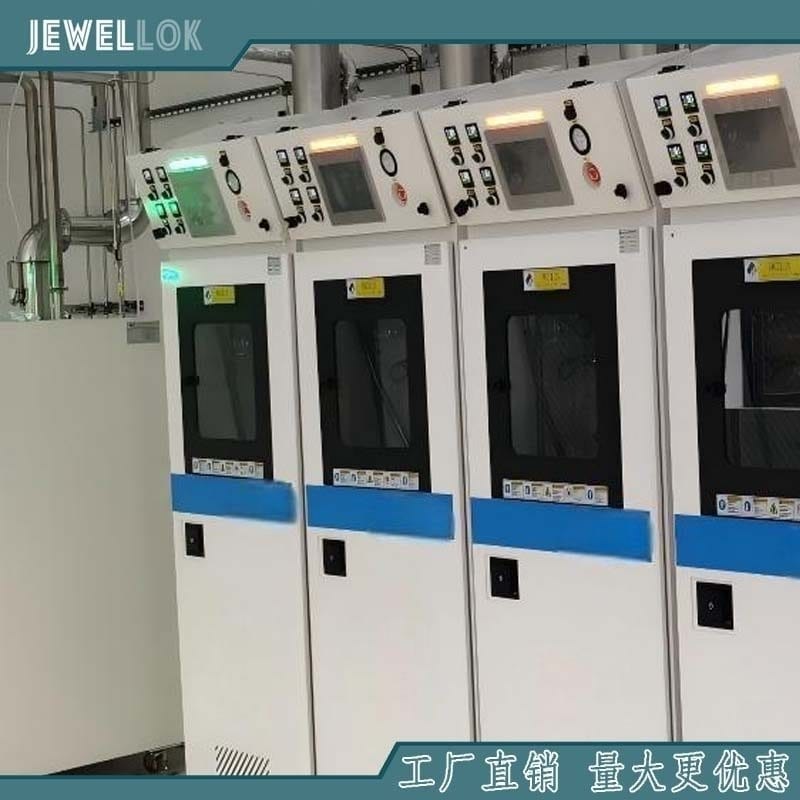
Chemical Dispense Unit (CDU) for High-Purity Chemical Delivery Systems in Semiconductor Manufacturing
Chemical Dispense Unit (CDU) for High-Purity Chemical Delivery Systems in Semiconductor Manufacturing
As semiconductor technology continues to advance toward smaller process nodes such as 5nm, 3nm, and beyond, manufacturing processes require increasingly stringent control over chemical purity, flow stability, and contamination prevention. High-purity chemicals including sulfuric acid (H₂SO₄), hydrofluoric acid (HF), hydrochloric acid (HCl), nitric acid (HNO₃), ammonium hydroxide (NH₄OH), hydrogen peroxide (H₂O₂), tetramethylammonium hydroxide (TMAH), and various solvents play critical roles in wafer cleaning, photolithography, wet etching, chemical mechanical planarization (CMP), and advanced packaging.
A Chemical Dispense Unit (CDU) is one of the most important components of a semiconductor chemical delivery system. It provides precise storage, filtration, pressurization, monitoring, and distribution of ultra-high-purity chemicals from bulk storage tanks to manufacturing tools while maintaining the highest cleanliness standards.
Modern CDUs are designed to deliver chemicals safely, accurately, and continuously, ensuring stable semiconductor production with minimal downtime and maximum chemical utilization.
What Is a Chemical Dispense Unit?
A Chemical Dispense Unit (CDU) is an automated chemical management system responsible for transferring high-purity chemicals from storage tanks to semiconductor process equipment under precisely controlled conditions.
Unlike conventional industrial chemical transfer systems, semiconductor CDUs must maintain:
Ultra-high chemical purity
Zero particle contamination
Bubble-free chemical delivery
Stable pressure and flow rate
Continuous monitoring
Automatic safety protection
Full production traceability
The CDU acts as the interface between the central chemical distribution system and individual semiconductor manufacturing tools.
Why Semiconductor Manufacturing Requires CDU Systems
Semiconductor fabrication is extremely sensitive to contamination.
Even particles smaller than 0.1 μm or trace metal ions measured in parts per trillion (ppt) can reduce wafer yield.
Without a high-quality CDU, manufacturers may experience:
Wafer defects
Particle contamination
Chemical concentration variation
Flow instability
Equipment corrosion
Production interruption
Increased chemical waste
Therefore, semiconductor fabs rely on fully automated CDU systems to maintain consistent chemical quality throughout the production process.
Typical CDU Architecture
A semiconductor Chemical Dispense Unit generally consists of several integrated modules.
1. Chemical Storage Module
High-purity chemicals are stored inside specially designed tanks manufactured from corrosion-resistant materials such as:
PFA
PTFE
PVDF
HDPE
Quartz
Electropolished 316L stainless steel (for compatible chemicals)
Storage tanks include:
Level sensors
Temperature sensors
Vent systems
Overflow protection
Secondary containment
2. Chemical Transfer Pumps
Different pumping technologies are selected according to chemical characteristics.
Common pump types include:
Air-operated diaphragm pumps
Magnetic drive pumps
Bellows pumps
Double diaphragm pumps
Precision metering pumps
The pumps must provide:
Low pulsation
Bubble-free transfer
Stable pressure
High chemical compatibility
3. High-Purity Filtration System
Filtration is critical before chemicals reach process tools.
Typical filtration stages include:
1 μm pre-filter
0.2 μm filter
0.05 μm ultra-fine filter
For advanced semiconductor processes, point-of-use (POU) filters can remove particles down to nanometer levels.
4. Flow Control Module
Flow control ensures every process tool receives chemicals at the required flow rate.
Components include:
Flow meters
Mass flow controllers
Pressure regulators
Control valves
Check valves
Needle valves
Flow stability directly influences wafer process consistency.
5. Pressure Control System
Chemical pressure must remain stable despite varying process demand.
The pressure control module includes:
Pressure transmitters
Pressure sensors
Automatic pressure regulators
Relief valves
Pressure switches
Stable outlet pressure minimizes process variation across production lines.
6. Chemical Monitoring System
Modern CDU systems continuously monitor:
Tank level
Temperature
Pressure
Flow rate
Chemical leakage
Pump status
Filter differential pressure
Data are transmitted to factory control systems through industrial communication protocols.
7. PLC Control Cabinet
The CDU is controlled by a programmable logic controller (PLC) integrated with a touchscreen HMI.
Typical functions include:
Automatic operation
Manual operation
Alarm management
Recipe control
Batch recording
Remote monitoring
Preventive maintenance reminders
Integration with MES and SCADA platforms enables centralized monitoring and production traceability.
Key Features of Semiconductor Chemical Dispense Units
Ultra-High Purity Design
All wetted components are manufactured using semiconductor-grade materials.
Surface roughness is carefully controlled to minimize particle generation.
Dead volume inside the piping is minimized to prevent chemical residue accumulation.
Automatic Chemical Refill
When chemical levels fall below preset limits, the CDU automatically refills from bulk storage tanks.
Benefits include:
Continuous production
Reduced operator intervention
Improved safety
Lower contamination risk
Bubble-Free Chemical Delivery
Gas bubbles may cause dispensing errors and process defects.
CDUs therefore incorporate:
Degassing chambers
Air elimination systems
Smooth-flow piping
Optimized pump selection
Bubble-free delivery improves wafer uniformity.
Precision Chemical Dispensing
Modern semiconductor tools require extremely accurate chemical dosing.
Typical dispensing accuracy reaches:
±1%
±0.5%
Better than ±0.2% for advanced applications
This level of precision reduces chemical consumption while improving process repeatability.
Chemical Compatibility
Different chemicals require different construction materials.
Examples include:
Hydrofluoric Acid (HF)
PFA
PTFE
PVDF
Sulfuric Acid
Quartz
PTFE
PFA
Hydrogen Peroxide
High-purity PFA
PVDF
Photoresist Solvents
Stainless steel
Fluoropolymer tubing
Material compatibility significantly extends system service life.
Safety Features
Chemical handling in semiconductor fabs involves corrosive, toxic, oxidizing, and flammable liquids.
Modern CDU systems incorporate multiple protection mechanisms.
These include:
Leak detection sensors
Emergency shutdown (ESD)
Automatic valve isolation
Overflow protection
Pressure relief devices
Secondary containment
Exhaust ventilation interfaces
Fire alarm integration
These features protect personnel, equipment, and cleanroom environments.
Applications in Semiconductor Manufacturing
Chemical Dispense Units are widely used throughout semiconductor production.
Typical applications include:
Wafer Cleaning
Delivery of:
SC-1 chemicals
SC-2 chemicals
Diluted HF
DI water mixtures
Wet Etching
Precise delivery of:
Hydrofluoric acid
Nitric acid
Hydrochloric acid
Buffered oxide etch (BOE)
Photolithography
Supplying:
Photoresists
Developers
Edge bead removers
Solvents
CMP Process
Delivery of:
CMP slurry
Oxidizers
Cleaning chemicals
Stable slurry delivery directly influences wafer planarity.
Advanced Packaging
CDUs supply chemicals used in:
Bumping
Redistribution layer (RDL)
Wafer-level packaging
TSV processing
Benefits of Automated CDU Systems
Replacing manual chemical handling with automated CDU systems provides numerous advantages.
Improved Product Yield
Stable chemical delivery minimizes process variation and increases wafer yield.
Enhanced Chemical Purity
Fully enclosed systems reduce airborne contamination.
Lower Operating Costs
Automation decreases labor requirements while reducing chemical waste.
Increased Equipment Uptime
Continuous monitoring enables predictive maintenance before failures occur.
Higher Production Efficiency
Automatic chemical switching eliminates production interruptions during refill operations.
Better Environmental Protection
Leak prevention and optimized chemical utilization reduce hazardous waste generation.
Future Trends in CDU Technology
The semiconductor industry is rapidly embracing intelligent manufacturing.
Future Chemical Dispense Units are evolving toward:
Industry 4.0 Integration
Real-time communication with factory management systems enables predictive production scheduling and remote diagnostics.
AI-Based Predictive Maintenance
Artificial intelligence analyzes pump performance, pressure trends, and sensor data to predict component failures before they occur.
Digital Twin Technology
Virtual CDU models simulate system performance, optimize maintenance schedules, and reduce commissioning time.
IoT Connectivity
Cloud-connected CDU systems provide remote monitoring, performance analytics, and centralized management across multiple fabrication facilities.
Energy-Efficient Operation
Variable-speed pumps, intelligent pressure regulation, and optimized flow control reduce energy consumption while maintaining process stability.
Modular Design
Standardized modular platforms simplify installation, expansion, and maintenance, reducing total cost of ownership.
Selecting the Right Chemical Dispense Unit Supplier
Choosing the appropriate CDU supplier is essential for long-term manufacturing success.
Key evaluation criteria include:
Experience in semiconductor chemical delivery systems
High-purity manufacturing capability
Compliance with SEMI and cleanroom standards
Custom engineering and OEM support
Advanced PLC and automation expertise
Comprehensive safety design
Global technical support
Reliable after-sales service
Availability of validation and factory acceptance testing (FAT)
A trusted supplier should also provide complete system integration, including chemical cabinets, storage tanks, filtration modules, distribution piping, monitoring software, and commissioning services.
pressure regulator vs pressure relief valve
pressure regulator vs pressure relief valve
Conclusion
As semiconductor manufacturing continues to move toward more advanced technology nodes, the demand for cleaner, safer, and more intelligent chemical delivery systems continues to grow. The Chemical Dispense Unit (CDU) has become an indispensable part of modern semiconductor fabrication facilities by ensuring ultra-high-purity chemical transfer, precise dispensing, contamination control, and automated process management.
Equipped with advanced filtration, intelligent PLC control, high-precision flow regulation, real-time monitoring, and comprehensive safety protection, modern CDU systems help semiconductor manufacturers achieve higher wafer yields, lower operating costs, improved production efficiency, and enhanced environmental compliance. Investing in a high-performance Chemical Dispense Unit is therefore a critical step toward building reliable, future-ready semiconductor manufacturing operations capable of meeting the increasingly demanding requirements of next-generation microelectronics.
For more about chemical dispense unit (CDU) for high-purity chemical delivery systems in semiconductor manufacturing, you can pay a visit to Jewellok at https://www.specialtygasregulator.com/product-category/specialty-gas-cabinet/ for more info.