
#Product Trends
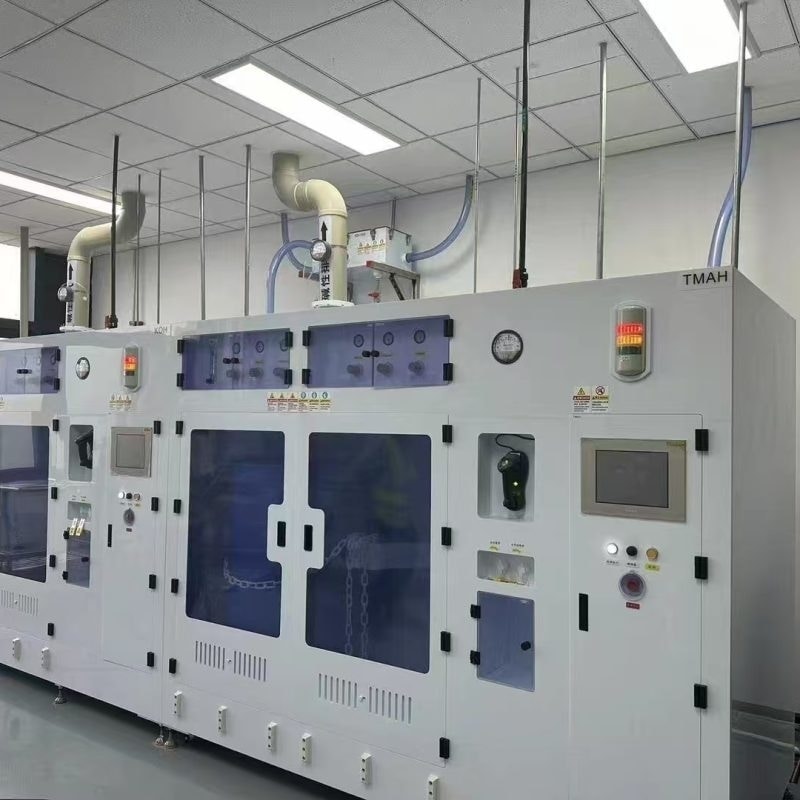
Industrial Liquid Chemical Cabinets for Safe Chemical Delivery Systems
Industrial Liquid Chemical Cabinets for Safe Chemical Delivery Systems
Introduction
As modern industries continue to evolve toward higher precision, automation, and safety standards, the handling and delivery of hazardous liquid chemicals have become increasingly critical. Industries such as semiconductor manufacturing, pharmaceuticals, chemical processing, lithium battery production, solar energy, and laboratory research all rely heavily on highly controlled chemical supply systems. Within these systems, industrial liquid chemical cabinets play a vital role in ensuring safe storage, accurate chemical distribution, leak prevention, and operator protection.
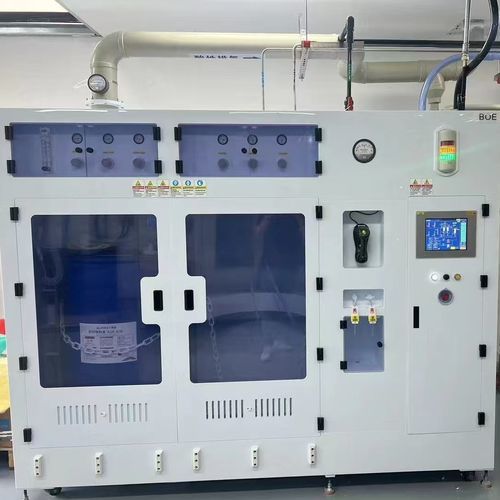
Industrial liquid chemical cabinets are specially engineered enclosures designed to safely contain, monitor, and distribute corrosive, toxic, flammable, or ultra-pure chemicals throughout manufacturing environments. These cabinets integrate advanced piping systems, valves, sensors, ventilation mechanisms, and automation technologies to create a secure chemical delivery platform. Their primary objective is to minimize risks associated with chemical handling while maintaining operational efficiency and compliance with strict environmental and safety regulations.
As global safety standards become more stringent, manufacturers are increasingly investing in advanced liquid chemical cabinet systems that offer enhanced containment, automation, and real-time monitoring capabilities. This article explores the structure, functions, working principles, applications, key components, safety features, material selection, and future development trends of industrial liquid chemical cabinets used in safe chemical delivery systems.
china ultra high purity gas regulator manufacturer
china ultra high purity gas regulator manufacturer
What Are Industrial Liquid Chemical Cabinets?
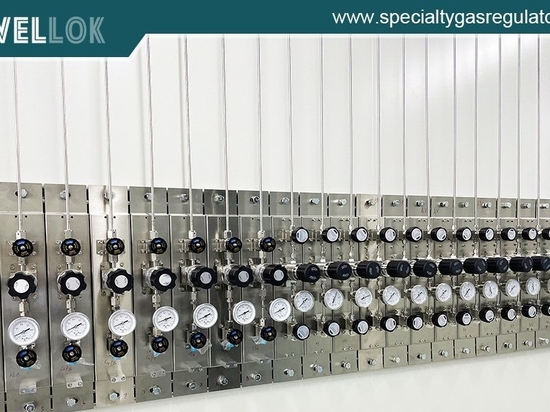
Industrial liquid chemical cabinets are enclosed systems specifically designed for the storage and controlled transfer of hazardous or high-purity liquid chemicals from chemical containers to process equipment. These cabinets provide a safe environment for handling chemicals such as acids, solvents, alkalis, photoresists, and specialty process chemicals.
The cabinet acts as an intermediate safety barrier between chemical containers and production tools. It reduces operator exposure, prevents accidental spills, minimizes contamination risks, and ensures stable chemical flow during industrial operations.
Depending on the application, liquid chemical cabinets may support:
Single chemical delivery
Multiple chemical distribution
Automatic chemical switching
Bulk chemical transfer
High-purity chemical supply
Chemical blending and dosing
Leak detection and emergency shutdown
These systems are commonly integrated into centralized chemical delivery systems (CDS) used in highly controlled manufacturing facilities.
Importance of Safe Chemical Delivery Systems
Handling hazardous liquids presents significant safety and operational challenges. Many industrial chemicals are corrosive, toxic, volatile, or flammable. Improper handling may result in:
Chemical leaks
Environmental contamination
Equipment corrosion
Fire or explosion hazards
Worker injuries
Product contamination
Production downtime
Industrial liquid chemical cabinets help eliminate these risks through controlled delivery and comprehensive safety mechanisms.
In semiconductor fabrication plants, for example, even microscopic contamination can affect wafer yield and product quality. Therefore, ultra-clean chemical delivery systems are essential. Similarly, in pharmaceutical manufacturing, precise chemical dosing and contamination control are necessary to maintain product integrity and regulatory compliance.
By integrating automated monitoring and containment technologies, chemical cabinets significantly improve workplace safety and production reliability.
Main Components of Industrial Liquid Chemical Cabinets
Industrial liquid chemical cabinets are composed of multiple integrated components that work together to ensure safe and reliable chemical delivery.
1. Cabinet Enclosure
The cabinet enclosure serves as the primary protective structure. It isolates hazardous chemicals from the surrounding environment and protects operators from accidental exposure.
Typical enclosure materials include:
Stainless steel SS304
Stainless steel SS316
Polypropylene (PP)
PVC-coated steel
Chemical-resistant composite materials
The enclosure is designed with corrosion resistance, structural strength, and ventilation compatibility in mind.
2. Chemical Containers
Chemical cabinets accommodate various container types, including:
Drums
Bottles
Intermediate bulk containers (IBCs)
Day tanks
Chemical totes
Container sizes vary according to process demand and facility capacity.
3. Piping and Tubing Systems
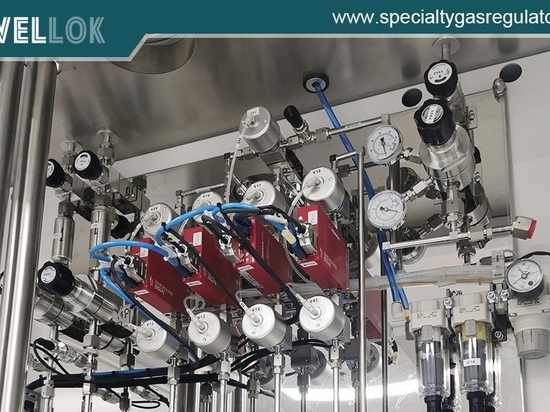
The internal piping network transports chemicals from storage containers to process tools.
Common piping materials include:
PTFE
PFA
PVDF
Stainless steel electropolished tubing
These materials provide excellent chemical compatibility and contamination resistance.
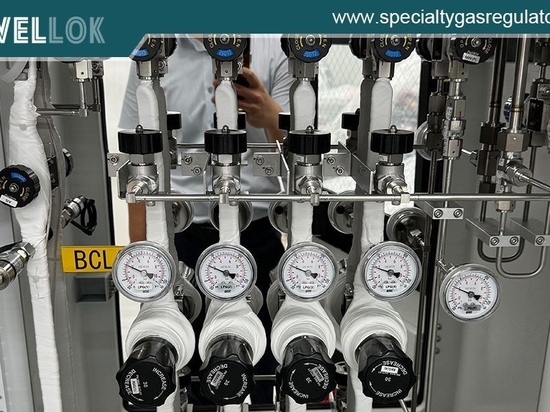
4. Valves and Flow Control Devices
Valves regulate chemical flow and isolate the system during maintenance or emergencies.
Common valve types include:
Diaphragm valves
Ball valves
Pneumatic valves
Check valves
Pressure relief valves
High-purity diaphragm valves are especially important in semiconductor and pharmaceutical applications due to their low particle generation and leak-tight performance.
5. Leak Detection Systems
Leak detection is one of the most critical safety features.
Modern chemical cabinets use sensors capable of detecting:
Acid leaks
Solvent vapors
Liquid accumulation
Toxic gas release
Once a leak is detected, the system can automatically:
Trigger alarms
Shut down chemical flow
Activate exhaust systems
Notify operators remotely
6. Ventilation and Exhaust Systems
Ventilation systems remove hazardous vapors from inside the cabinet to prevent chemical accumulation.
These systems maintain negative pressure within the cabinet and are typically connected to facility exhaust infrastructure.
Proper ventilation helps:
Reduce toxic exposure
Prevent flammable vapor buildup
Improve operational safety
7. Control and Monitoring Systems
Modern industrial liquid chemical cabinets often include PLC-based automation systems with touchscreen interfaces.
Monitoring functions may include:
Pressure monitoring
Flow rate monitoring
Tank level monitoring
Leak status monitoring
Temperature monitoring
Alarm management
Advanced systems also support remote monitoring and Industry 4.0 integration.
Working Principle of Liquid Chemical Cabinets
The operation of an industrial liquid chemical cabinet follows a controlled sequence designed to maximize safety and delivery accuracy.
Step 1: Chemical Storage
Chemicals are safely stored inside sealed containers within the cabinet enclosure.
Step 2: Connection to Delivery Lines
Chemical containers are connected to the cabinet piping system using chemically compatible fittings and tubing.
Step 3: Controlled Chemical Transfer
The cabinet transfers chemicals through pressure-driven or pump-assisted delivery systems.
Flow control devices regulate pressure and delivery rates according to process requirements.
Step 4: Continuous Monitoring
Sensors continuously monitor operating conditions, including:
Pressure
Flow
Leak status
Exhaust airflow
Chemical levels
Step 5: Emergency Protection
If abnormal conditions occur, automatic safety systems activate to isolate the chemical source and minimize hazards.
Applications of Industrial Liquid Chemical Cabinets
Industrial liquid chemical cabinets are widely used across numerous industries.
Semiconductor Manufacturing
Semiconductor fabrication facilities use liquid chemical cabinets to deliver:
Hydrofluoric acid (HF)
Sulfuric acid
Hydrogen peroxide
Photoresists
Solvents
CMP slurries
Ultra-high purity and contamination-free delivery are essential for wafer processing.
Pharmaceutical Industry
Pharmaceutical plants rely on chemical cabinets for safe handling of:
Cleaning chemicals
Process reagents
Solvents
Sterilization agents
These systems help maintain GMP compliance and product consistency.
Chemical Processing Industry
Chemical manufacturing facilities use liquid chemical cabinets for:
Corrosive chemical transfer
Batch dosing
Chemical blending
Reactor feeding systems
Lithium Battery Manufacturing
Battery production requires safe delivery of electrolyte chemicals and specialty solvents.
Chemical cabinets improve process consistency while minimizing fire and exposure risks.
Solar Panel Manufacturing
Solar manufacturing processes use acids and cleaning chemicals during wafer and panel production.
High-purity chemical delivery helps maintain production efficiency and product quality.
Safety Features in Modern Chemical Cabinets
Safety is the core design principle of industrial liquid chemical cabinets.
Automatic Emergency Shutdown
Emergency shutoff systems automatically isolate chemical flow during leaks or abnormal pressure conditions.
Secondary Containment
Many cabinets include spill trays or secondary containment basins to prevent chemical leakage into the facility.
Fire Protection Integration
Flammable chemical cabinets may integrate:
Fire suppression systems
Explosion-proof electrical components
Grounding systems
Static discharge protection
Gas and Vapor Monitoring
Real-time vapor monitoring reduces toxic exposure risks and supports regulatory compliance.
Interlock Protection
Interlock systems prevent unsafe operations, such as opening cabinet doors during active chemical transfer.
Material Selection for Chemical Compatibility
Selecting the correct material is critical for cabinet durability and process safety.
Different chemicals react differently with metals and plastics. Improper material selection may result in:
Corrosion
Cracking
Particle contamination
Leakage
System failure
Common Material Choices
Material Advantages Applications
SS316 Stainless Steel Corrosion resistance, durability High-purity systems
PTFE Excellent chemical resistance Acid handling
PFA Ultra-clean surface Semiconductor chemicals
PVDF Strong chemical resistance Corrosive liquid transfer
Polypropylene Cost-effective corrosion resistance General chemical storage
Proper compatibility analysis should always be performed before system installation.
Regulatory Standards and Compliance
Industrial liquid chemical cabinets must comply with various international safety standards and regulations.
Common standards include:
SEMI Standards
NFPA regulations
OSHA requirements
FM approval standards
CE certification
ISO standards
Compliance ensures:
Worker safety
Environmental protection
Equipment reliability
Insurance approval
Legal operation
In semiconductor industries, SEMI S2 and SEMI F47 standards are particularly important.
Advantages of Automated Chemical Cabinet Systems
Modern automated chemical cabinets provide numerous operational benefits.
Improved Safety
Automation minimizes direct operator contact with hazardous chemicals.
Enhanced Process Stability
Accurate flow control improves manufacturing consistency and product quality.
Reduced Downtime
Continuous monitoring enables predictive maintenance and early fault detection.
Lower Contamination Risk
Closed-loop delivery systems reduce particle and moisture contamination.
Better Inventory Management
Integrated monitoring systems provide real-time chemical usage tracking.
Remote Monitoring Capabilities
Industry 4.0 connectivity allows operators to monitor systems remotely through centralized control platforms.
Future Trends in Industrial Liquid Chemical Cabinets
As industrial automation and smart manufacturing continue to evolve, liquid chemical cabinet technologies are advancing rapidly.
Smart Monitoring Systems
AI-powered predictive maintenance and intelligent diagnostics are becoming more common.
IoT Integration
Chemical cabinets are increasingly connected to factory-wide monitoring systems for real-time operational analysis.
Enhanced Leak Detection
Next-generation sensors offer faster response times and greater sensitivity.
Compact Modular Designs
Manufacturers are developing space-saving modular cabinet systems for flexible installation.
Sustainable Chemical Management
Energy-efficient ventilation systems and waste reduction technologies are gaining importance.
Increased Automation
Fully automated chemical switching and replenishment systems reduce human intervention and improve operational efficiency.
Semiconductor Fluid Control Systems And Components
Semiconductor Fluid Control Systems And Components
Conclusion
Industrial liquid chemical cabinets are essential components of modern safe chemical delivery systems. They provide secure containment, precise chemical distribution, contamination control, and advanced safety protection for industries handling hazardous or high-purity chemicals.
From semiconductor fabrication and pharmaceutical production to chemical processing and energy manufacturing, these systems help organizations improve workplace safety, regulatory compliance, and operational reliability.
As industrial processes become increasingly automated and quality standards continue to rise, the demand for intelligent, high-performance liquid chemical cabinet systems will continue to grow. Future developments in smart monitoring, IoT connectivity, and automation will further enhance the safety, efficiency, and sustainability of industrial chemical handling operations.
Investing in advanced industrial liquid chemical cabinets is no longer simply a safety measure—it is a strategic decision that supports long-term manufacturing performance, environmental responsibility, and technological advancement.
For more about industrial liquid chemical cabinets for safe chemical delivery systems, you can pay a visit to Jewellok at https://www.jewellok.com/product-category/chemical-delivery-system/ for more info.