
#Industry News
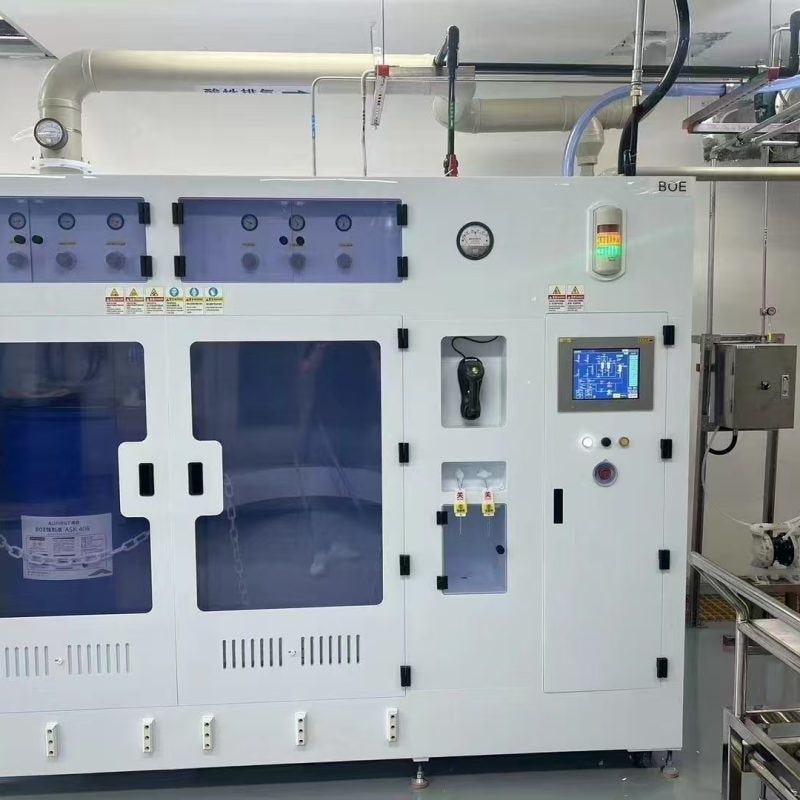
Next-Generation Chemical Delivery Module (CDM) Design for Safer Chemical Handling
Next-Generation Chemical Delivery Module (CDM) Design for Safer Chemical Handling
Introduction
As semiconductor manufacturing, photovoltaic production, pharmaceutical processing, and advanced chemical industries continue to evolve toward higher precision and automation, the demand for safer and more efficient chemical handling systems has increased dramatically. Hazardous chemicals such as acids, solvents, toxic precursors, and corrosive liquids are widely used in modern manufacturing environments. Improper handling of these chemicals can result in severe safety risks, environmental contamination, equipment damage, and production downtime.
To address these challenges, the Chemical Delivery Module (CDM) has become a critical subsystem in modern industrial facilities. A CDM is an integrated chemical management platform designed to safely store, transfer, monitor, and distribute chemicals from bulk containers to process equipment with high precision and reliability. Compared with traditional manual chemical transfer methods, modern CDMs significantly reduce human exposure, improve process stability, and support intelligent factory automation.
This article explores the design principles, core technologies, safety considerations, and future development trends of next-generation Chemical Delivery Modules aimed at achieving safer chemical handling and higher operational efficiency.
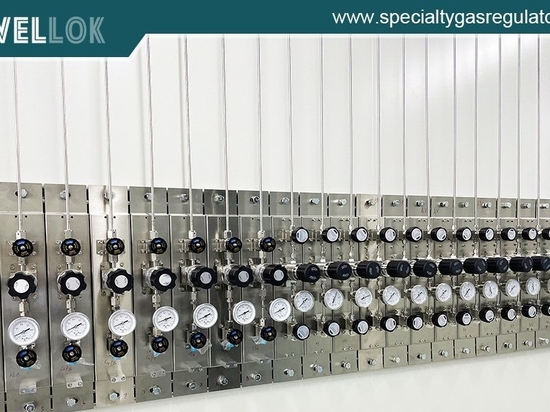
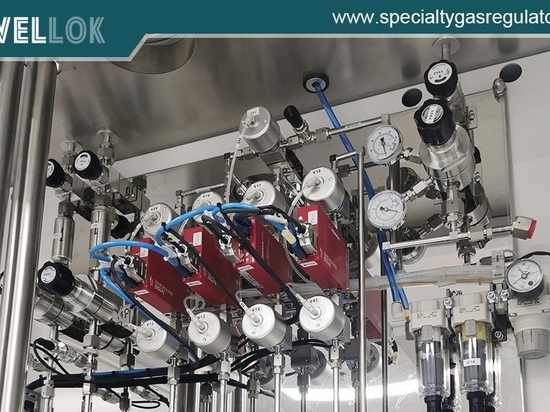
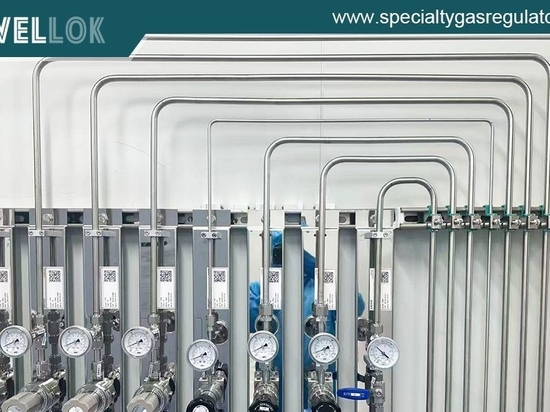
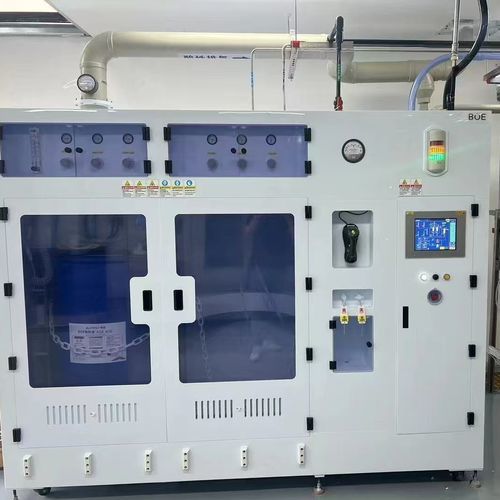
chemical delivery module (cdm) and chemical delivery system (cds)
chemical delivery module (cdm) and chemical delivery system (cds)
What Is a Chemical Delivery Module (CDM)?
A Chemical Delivery Module is an engineered system that automates the delivery of liquid chemicals from storage vessels to manufacturing tools or process chambers. It typically includes:
Chemical storage containers
Pumps and pressure regulation systems
Valves and manifolds
Filtration units
Sensors and monitoring devices
Leak detection systems
Control software and PLC systems
Safety interlock mechanisms
CDMs are widely used in industries where ultra-clean and highly controlled chemical delivery is essential, especially in semiconductor fabs and high-purity manufacturing environments.
The primary objectives of a CDM include:
Safe chemical transfer
Precise flow and pressure control
Prevention of contamination
Minimization of chemical waste
Reduction of operator exposure
Real-time monitoring and alarm management
As environmental regulations and workplace safety standards become increasingly strict, modern CDM systems must deliver both operational efficiency and advanced safety protection.
Challenges in Traditional Chemical Handling Systems
Traditional chemical handling systems often rely heavily on manual operations and standalone equipment. While functional, these systems present several limitations and safety concerns.
1. High Risk of Chemical Exposure
Operators may be exposed to toxic vapors or corrosive liquids during manual chemical replacement, sampling, or maintenance activities. Exposure to chemicals such as hydrofluoric acid, sulfuric acid, or organic solvents can lead to severe health hazards.
2. Leakage and Environmental Risks
Conventional piping connections and manual transfer procedures increase the probability of leaks, spills, and accidental releases. Even small leaks can contaminate cleanroom environments and create major safety incidents.
3. Inconsistent Process Control
Manual chemical delivery systems often lack accurate flow regulation and automated monitoring. This can result in unstable process conditions, affecting product quality and manufacturing yield.
4. Particle and Contamination Issues
Industries such as semiconductor manufacturing require ultra-high purity chemicals. Traditional systems may introduce particles, metallic contamination, or air bubbles into the process stream.
5. Limited Automation Capability
Older systems are difficult to integrate with Industry 4.0 smart factory architectures. Limited data acquisition and remote monitoring reduce operational visibility and predictive maintenance capability.
These challenges have accelerated the development of next-generation CDMs designed specifically for safer and smarter chemical handling.
Core Design Principles of Next-Generation CDMs
Modern Chemical Delivery Modules are engineered based on several key design principles.
1. Safety-First Architecture
Safety is the highest priority in CDM design. Advanced safety mechanisms are integrated into every stage of chemical handling.
Key safety features include:
Double containment piping systems
Automatic leak detection sensors
Emergency shutdown (ESD) functions
Gas and vapor monitoring
Pressure relief protection
Fire-resistant cabinet construction
Exhaust ventilation integration
Chemical spill containment trays
Modern CDMs also incorporate automatic alarm systems capable of triggering isolation valves and stopping chemical transfer immediately when abnormal conditions are detected.
2. High-Purity Fluid Path Design
Maintaining chemical purity is essential for semiconductor and pharmaceutical applications. Next-generation CDMs utilize ultra-clean fluid path components such as:
Electropolished stainless steel tubing
PFA and PTFE wetted materials
UHP diaphragm valves
High-purity filters
Orbital welded connections
Dead-leg minimization is another important design strategy. Smooth internal surfaces and optimized flow paths help prevent particle accumulation and chemical residue buildup.
3. Intelligent Automation and Smart Control
Advanced CDMs are increasingly integrated with intelligent automation systems. PLC-based control platforms and industrial communication protocols enable real-time monitoring and precise process management.
Key automation functions include:
Automated chemical refill
Digital flow control
Pressure stabilization
Chemical consumption tracking
Predictive maintenance alerts
Remote monitoring dashboards
Batch traceability
Recipe-based operation
By integrating Industrial Internet of Things (IIoT) technologies, CDMs can communicate directly with factory management systems and process equipment, supporting smart manufacturing initiatives.
4. Modular and Scalable Design
Modern production facilities require flexible systems that can adapt to changing process requirements. Modular CDM architecture allows manufacturers to expand or customize systems easily.
Benefits of modular design include:
Faster installation
Simplified maintenance
Reduced downtime
Easier future upgrades
Lower lifecycle costs
A modular approach also allows different chemical delivery channels to be isolated independently, improving safety and operational reliability.
Critical Components in Advanced CDM Systems
Chemical Storage and Containment
Chemical storage vessels must be compatible with aggressive chemicals and designed to prevent contamination. Common materials include:
HDPE
PVDF
PFA
Stainless steel 316L
Secondary containment structures are often integrated to capture leaks and prevent chemical spills from spreading.
Pumping and Pressure Control Systems
Accurate chemical transfer requires stable pressure and flow control. Depending on the application, CDMs may use:
Diaphragm pumps
Bellows pumps
Pneumatic pumps
Magnetically coupled pumps
Advanced pressure regulators and mass flow controllers ensure consistent chemical delivery to process tools.
High-Purity Valves and Manifolds
Valves are among the most critical components in a CDM. High-performance diaphragm valves are widely used because they offer:
Low particle generation
Excellent chemical resistance
Leak-tight sealing
Minimal dead volume
Long service life
Manifold design also plays a major role in maintaining flow stability and reducing contamination risk.
Filtration Systems
High-purity filtration systems remove particles and contaminants before chemicals reach production equipment. Multi-stage filtration may include:
Pre-filtration
Fine filtration
Ultra-fine membrane filtration
Proper filter selection is essential for balancing flow performance and contamination control.
Sensors and Monitoring Devices
Modern CDMs integrate multiple sensors for real-time monitoring, including:
Pressure sensors
Flow meters
Temperature sensors
Liquid level sensors
Leak detection sensors
Conductivity monitors
Continuous monitoring improves process stability and enables rapid fault detection.
Advanced Safety Technologies in Modern CDMs
Leak Detection and Automatic Isolation
Next-generation systems use highly sensitive leak detection sensors capable of identifying minute chemical leaks. Once a leak is detected, the system can:
Automatically close isolation valves
Stop pumps immediately
Activate exhaust systems
Trigger visual and audible alarms
This rapid response minimizes risk to personnel and equipment.
Exhaust Ventilation Integration
Many hazardous chemicals release toxic fumes or vapors. Advanced CDMs are designed with integrated exhaust ventilation systems to safely remove airborne contaminants.
Negative pressure cabinet designs help prevent vapor leakage into cleanroom environments.
Redundant Safety Interlocks
Multiple safety interlocks are used to prevent incorrect operations and system failures. Examples include:
Door interlocks
Pressure limit interlocks
Flow verification logic
Chemical identification checks
Emergency stop circuits
These features significantly improve operational safety.
Data Logging and Traceability
Modern CDMs support continuous data logging for:
Chemical usage records
Alarm history
Maintenance tracking
Process parameters
Operator actions
Traceability is especially important in semiconductor and pharmaceutical industries where strict quality standards must be maintained.
Applications of Chemical Delivery Modules
Semiconductor Manufacturing
Semiconductor fabs use CDMs extensively for delivering:
Photoresists
Acids
Solvents
CMP slurries
High-purity cleaning chemicals
Ultra-clean operation and precise chemical control are critical for advanced chip production.
Pharmaceutical and Biotechnology Industries
In pharmaceutical production, CDMs help maintain sterile and contamination-free chemical handling processes while improving operator safety.
Chemical Processing Plants
Chemical manufacturing facilities use CDMs to automate the transfer of corrosive and hazardous liquids while reducing manual handling risks.
Solar and Battery Manufacturing
Lithium battery and photovoltaic manufacturing processes require highly controlled chemical delivery systems to maintain consistent production quality.
Future Trends in CDM Technology
AI-Driven Predictive Maintenance
Artificial intelligence and machine learning technologies are increasingly being integrated into CDM platforms. Predictive analytics can identify early signs of:
Pump degradation
Valve wear
Flow instability
Filter blockage
This helps reduce unexpected downtime and maintenance costs.
Digital Twin Technology
Digital twin systems create virtual models of CDM operations, enabling engineers to simulate system behavior, optimize performance, and improve safety strategies before implementing changes in real production environments.
Enhanced Sustainability
Environmental sustainability is becoming a major design priority. Future CDMs are expected to focus on:
Reduced chemical waste
Lower energy consumption
Improved recycling capability
Reduced emissions
Green manufacturing compliance
Efficient chemical utilization not only improves sustainability but also lowers operating costs.
Greater Integration with Smart Factories
As Industry 4.0 adoption expands, CDMs will become increasingly interconnected with:
MES systems
SCADA platforms
Factory automation networks
Cloud-based analytics systems
This integration enables centralized monitoring, remote diagnostics, and real-time production optimization.
back pressure regulator vs pressure reducing regulator
back pressure regulator vs pressure reducing regulator
Conclusion
The next generation of Chemical Delivery Modules represents a major advancement in industrial chemical handling technology. By combining high-purity fluid control, intelligent automation, modular engineering, and advanced safety systems, modern CDMs significantly improve operational safety, process reliability, and manufacturing efficiency.
As industries continue moving toward smarter and more environmentally responsible production, the role of CDMs will become even more critical. Companies investing in advanced CDM technologies can achieve safer workplaces, higher product quality, reduced downtime, and stronger compliance with increasingly strict environmental and safety regulations.
In the future, innovations such as AI-driven diagnostics, digital twins, and fully integrated smart factory systems will further transform chemical delivery operations, creating a new standard for safe, intelligent, and sustainable chemical handling.
For more about next-generation chemical delivery module (CDM) design for safer chemical handling, you can pay a visit to Jewellok at https://www.specialtygasregulator.com/about/ for more info.