
#Industry News
Point of Use Scrubber: Advanced Exhaust Gas Abatement Solutions for High-Tech Industries
Point of Use Scrubber: Advanced Exhaust Gas Abatement Solutions for High-Tech Industries
Introduction
As semiconductor manufacturing, photovoltaic production, pharmaceutical processing, and advanced chemical industries continue to expand globally, the demand for effective exhaust gas treatment technologies has become increasingly critical. Modern production processes generate a wide range of hazardous gases, including toxic, corrosive, flammable, and environmentally harmful compounds. To ensure workplace safety, regulatory compliance, and environmental protection, industries are adopting highly efficient gas abatement technologies. Among these solutions, the Point of Use (POU) Scrubber, also known as the terminal exhaust gas scrubbing system, has become one of the most important components in industrial emission control systems.
A Point of Use Scrubber is designed to treat hazardous process gases directly at the source before they enter the facility’s main exhaust pipeline. Unlike centralized scrubber systems, POU scrubbers are installed close to the equipment generating the emissions, allowing immediate treatment of dangerous gases. This decentralized approach significantly improves safety, reduces pipeline contamination, lowers maintenance costs, and enhances overall gas treatment efficiency.
Today, POU scrubbers are widely used in semiconductor fabs, LED manufacturing, MEMS production, solar cell fabrication, chemical vapor deposition (CVD), etching processes, ion implantation systems, and various industrial gas handling applications.
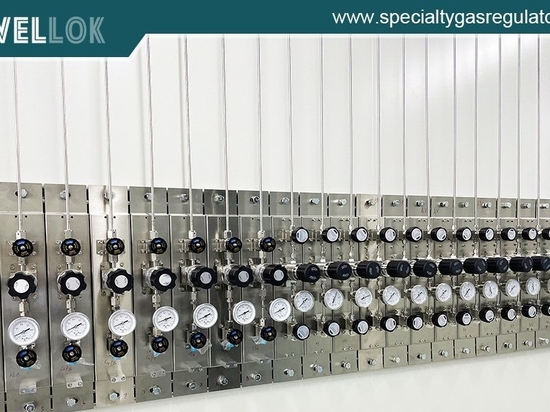
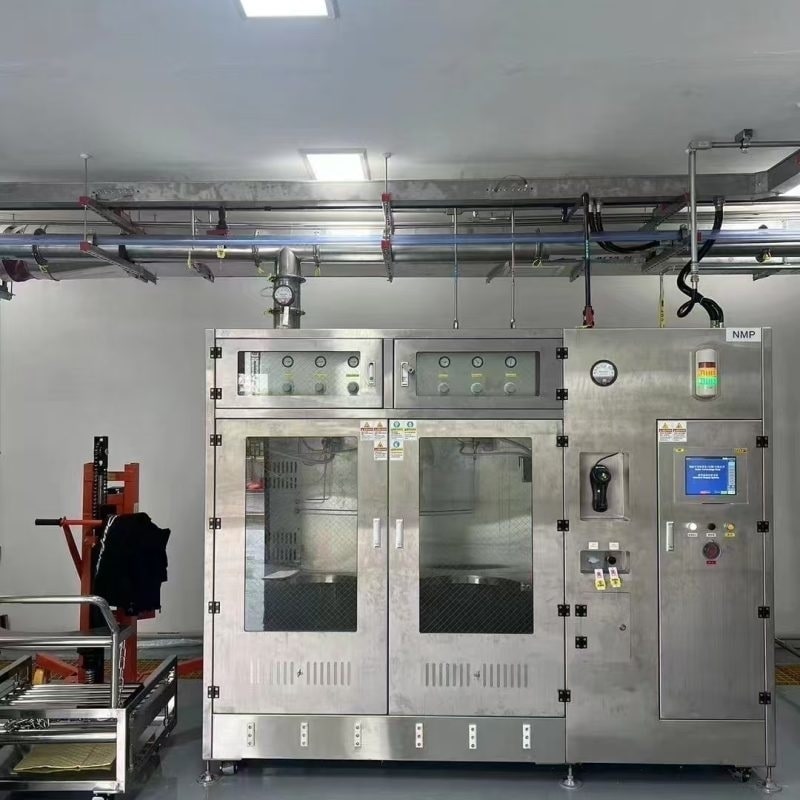
chemical delivery module (cdm) and chemical delivery system (cds)
chemical delivery module (cdm) and chemical delivery system (cds)
What Is a Point of Use Scrubber?
A Point of Use Scrubber is a compact gas treatment system installed directly downstream of process tools that generate hazardous exhaust gases. Its primary purpose is to neutralize, remove, or convert harmful gases into safer byproducts before discharge into the atmosphere.
POU scrubbers are engineered to handle a wide range of process emissions, including:
Acidic gases
Alkaline gases
Volatile organic compounds (VOCs)
Toxic semiconductor gases
Pyrophoric gases
Particulate matter
Solvent vapors
Greenhouse gases
These systems are commonly integrated with semiconductor process equipment such as:
Etchers
Diffusion furnaces
CVD systems
ALD systems
Epitaxy reactors
Ion implantation equipment
Thin film deposition systems
Because treatment occurs immediately at the source, hazardous gases are prevented from accumulating inside facility ducting systems, greatly reducing operational risks.
Working Principle of a Point of Use Scrubber
The operating principle of a Point of Use Scrubber depends on the gas chemistry and the specific treatment technology used. In general, the system captures contaminated exhaust gases and subjects them to physical, chemical, or thermal treatment processes to remove hazardous substances.
The basic treatment sequence typically includes:
1. Gas Collection
Exhaust gases generated from the process chamber are directed into the POU scrubber through corrosion-resistant piping systems. Flow control devices regulate gas pressure and maintain stable treatment conditions.
2. Gas Cooling and Dilution
Some high-temperature gases require cooling before treatment. In certain applications, dilution air or inert gases are introduced to stabilize reactive compounds and reduce explosion risks.
3. Chemical Neutralization
Wet scrubber systems use chemical solutions to neutralize acidic or alkaline gases. For example:
Hydrofluoric acid (HF) may be neutralized using alkaline solutions
Ammonia (NH3) can be absorbed using acidic solutions
Chlorine compounds are chemically converted into harmless salts
4. Thermal Decomposition
Combustible and toxic gases may be destroyed through high-temperature oxidation. Thermal treatment systems can decompose hazardous compounds into less harmful substances.
5. Particle Removal
Filtration systems remove fine particles and solid residues generated during processing.
6. Clean Gas Discharge
After treatment, purified gases are safely released into the facility exhaust system or atmosphere in compliance with environmental regulations.
Main Types of Point of Use Scrubbers
Different industrial applications require different exhaust gas treatment technologies. The most common types of POU scrubbers include:
Wet Scrubbers
Wet scrubbers use liquid chemical solutions to absorb and neutralize hazardous gases. They are highly effective for removing:
Acid gases
Water-soluble compounds
Corrosive fumes
Advantages include:
High removal efficiency
Stable operation
Effective cooling capability
Suitable for multiple gas streams
However, wet scrubbers generate wastewater that requires proper treatment and disposal.
Dry Scrubbers
Dry scrubbers use solid absorbent materials or dry chemical media to capture contaminants without using water.
Common absorbent materials include:
Activated alumina
Activated carbon
Metal oxides
Calcium-based compounds
Advantages include:
No wastewater generation
Lower maintenance requirements
Compact system design
Reduced utility consumption
Dry scrubbers are widely used in semiconductor fabs where water usage and wastewater management are major concerns.
Burn-Wet Scrubbers
Burn-wet systems combine thermal oxidation with wet scrubbing technology. Hazardous gases are first combusted at high temperatures, then cooled and chemically neutralized in a wet treatment stage.
These systems are particularly suitable for:
Pyrophoric gases
Toxic semiconductor gases
Organometallic compounds
High-concentration VOC emissions
Burn-wet scrubbers offer excellent destruction efficiency and are commonly used in advanced semiconductor manufacturing.
Plasma Scrubbers
Plasma scrubbers utilize high-energy plasma reactions to decompose harmful gas molecules into less hazardous compounds.
Advantages include:
High destruction efficiency
Compact design
Low chemical consumption
Fast reaction speed
Plasma technology is increasingly used for treating difficult semiconductor process gases and greenhouse gas emissions.
Applications of Point of Use Scrubbers
Semiconductor Manufacturing
The semiconductor industry is the largest application sector for POU scrubbers. Semiconductor fabrication processes generate highly hazardous gases such as:
Silane (SiH4)
Ammonia (NH3)
Hydrogen chloride (HCl)
Nitrogen trifluoride (NF3)
Tungsten hexafluoride (WF6)
Phosphine (PH3)
POU scrubbers help fabs achieve:
Worker safety
Environmental compliance
Equipment protection
Reduced contamination risks
Improved cleanroom reliability
Solar Cell and Photovoltaic Industry
Solar panel manufacturing processes use specialty gases and chemical vapors that require efficient treatment. POU scrubbers remove harmful emissions generated during:
Thin film deposition
Silicon etching
PECVD processes
Cleaning operations
These systems help photovoltaic manufacturers reduce environmental impact while maintaining production efficiency.
Chemical and Pharmaceutical Industries
Chemical processing facilities generate complex exhaust streams containing corrosive and toxic compounds. Point of Use Scrubbers provide localized treatment solutions for:
Reactor exhaust
Solvent vapor control
Acid gas neutralization
VOC removal
The pharmaceutical industry also uses POU scrubbers to maintain clean production environments and comply with strict emission standards.
LED and Display Manufacturing
LED and display panel production processes involve hazardous gases and volatile chemicals used in deposition and etching operations. POU scrubbers protect manufacturing environments while minimizing chemical exposure risks.
Key Advantages of Point of Use Scrubbers
Enhanced Safety
By treating hazardous gases directly at the source, POU scrubbers significantly reduce the risk of toxic gas leakage, fire hazards, and pipeline corrosion.
Improved Environmental Compliance
POU scrubbers help manufacturers meet increasingly strict global environmental regulations related to air pollution and greenhouse gas emissions.
Reduced Maintenance Costs
Localized gas treatment minimizes contamination inside facility ducting systems, reducing cleaning frequency and maintenance expenses.
Flexible Installation
Compact system designs allow easy integration with various process tools and manufacturing layouts.
High Treatment Efficiency
Modern POU scrubbers can achieve extremely high gas removal efficiencies, often exceeding 99%.
Scalability
Facilities can expand production capacity by adding independent POU scrubbers without redesigning the entire exhaust infrastructure.
Important Design Considerations
Selecting the appropriate Point of Use Scrubber requires careful evaluation of several factors.
Gas Composition
Understanding gas chemistry is essential for selecting compatible treatment technologies and construction materials.
Flow Rate
The system must be properly sized to handle maximum exhaust flow volumes while maintaining treatment efficiency.
Corrosion Resistance
Hazardous gases often require corrosion-resistant materials such as:
SS316L stainless steel
Hastelloy
PTFE-lined components
PVDF piping
Safety Features
Modern POU scrubbers include multiple safety protections such as:
Gas leak detection
Automatic shutdown systems
Temperature monitoring
Pressure sensors
Explosion prevention systems
Utility Requirements
Engineers must evaluate requirements for:
Water consumption
Electrical power
Compressed air
Chemical supply
Drainage systems
Smart Monitoring and Automation
Modern Point of Use Scrubber systems increasingly incorporate intelligent monitoring technologies and automation features.
Advanced systems may include:
PLC-based control systems
Real-time gas monitoring
Remote diagnostics
Predictive maintenance
IoT connectivity
Automated alarm systems
These smart features improve operational reliability, reduce downtime, and optimize maintenance scheduling.
Environmental Regulations and Industry Standards
Governments worldwide continue to tighten regulations on industrial emissions. Semiconductor and chemical manufacturers must comply with strict standards related to:
Hazardous air pollutants (HAPs)
VOC emissions
Greenhouse gases
Worker exposure limits
Toxic gas handling
POU scrubbers play a critical role in helping facilities achieve compliance with regulations established by organizations such as:
EPA
SEMI
OSHA
Local environmental agencies
As sustainability initiatives become increasingly important, advanced exhaust gas treatment systems are becoming essential investments for industrial facilities.
Future Trends in Point of Use Scrubber Technology
The future of POU scrubber technology is being shaped by several major industry trends.
Higher Treatment Efficiency
Manufacturers are developing systems capable of handling increasingly complex gas chemistries with higher destruction and removal efficiencies.
Lower Energy Consumption
Energy-efficient designs are reducing operational costs while supporting sustainability goals.
Reduced Water Usage
Dry and hybrid scrubber technologies are becoming more popular due to growing concerns over industrial water consumption.
Greenhouse Gas Reduction
Advanced treatment technologies are being developed to reduce emissions of high-global-warming-potential gases used in semiconductor manufacturing.
AI-Based Predictive Maintenance
Artificial intelligence and machine learning technologies are improving equipment diagnostics and predictive maintenance capabilities.
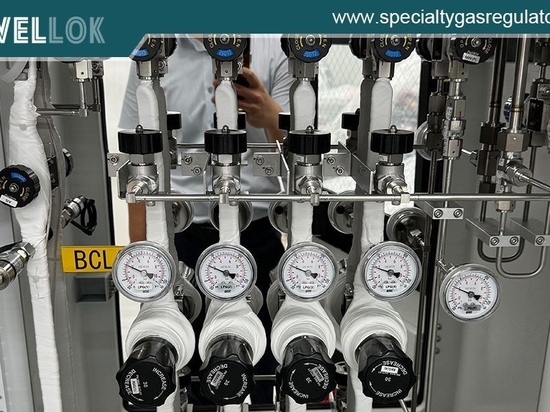
316l stainless steel ultra high purity diaphragm valves pressure reducing valve
316l stainless steel ultra high purity diaphragm valves pressure reducing valve
Conclusion
Point of Use Scrubbers have become indispensable components in modern industrial exhaust gas treatment systems. By treating hazardous emissions directly at the source, these systems provide superior safety, environmental protection, and operational efficiency compared to centralized treatment approaches.
As industries such as semiconductors, photovoltaics, pharmaceuticals, and advanced chemicals continue to evolve, the demand for reliable and high-performance POU scrubber systems will continue to grow. Future developments in smart automation, energy efficiency, and sustainable gas treatment technologies will further enhance the role of Point of Use Scrubbers in advanced manufacturing environments.
For companies seeking to improve environmental compliance, protect workers, and optimize production reliability, investing in advanced Point of Use Scrubber technology is not only a regulatory requirement but also a strategic advantage in today’s competitive industrial landscape.
For more about point of use scrubber: advanced exhaust gas abatement solutions for high-tech industries, you can pay a visit to Jewellok at https://www.specialtygasregulator.com/about/ for more info.