
#Industry News
Intelligent Chemical Delivery Module: Automation and Digital Monitoring
Intelligent Chemical Delivery Module: Automation and Digital Monitoring
As semiconductor manufacturing, pharmaceutical production, photovoltaic fabrication, and advanced chemical processing continue to evolve toward higher precision and greater operational efficiency, traditional chemical delivery systems are facing unprecedented challenges. Manual chemical handling, isolated control architectures, and limited process visibility can no longer satisfy the demands of modern industrial production environments.
The emergence of intelligent chemical delivery modules represents a significant transformation in industrial fluid management technology. By integrating automation, digital monitoring, smart sensors, data analytics, and networked control systems, intelligent chemical delivery platforms provide a safer, more efficient, and highly controllable solution for chemical supply operations.
Intelligent chemical delivery modules not only ensure accurate chemical distribution but also enable predictive maintenance, remote diagnostics, and real-time process optimization. These capabilities are becoming essential in industries where chemical purity, process consistency, and operational reliability directly influence production yield and product quality.
This article explores the architecture, key technologies, operational benefits, and future development trends of intelligent chemical delivery modules driven by automation and digital monitoring technologies.
High Flow Ultra High Purity Gas Pressure Regulators
High Flow Ultra High Purity Gas Pressure Regulators
What is an Intelligent Chemical Delivery Module?
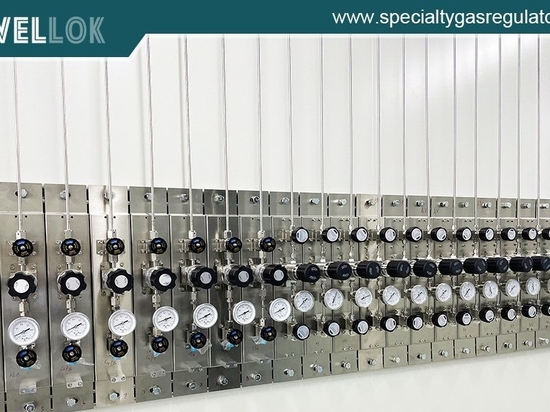
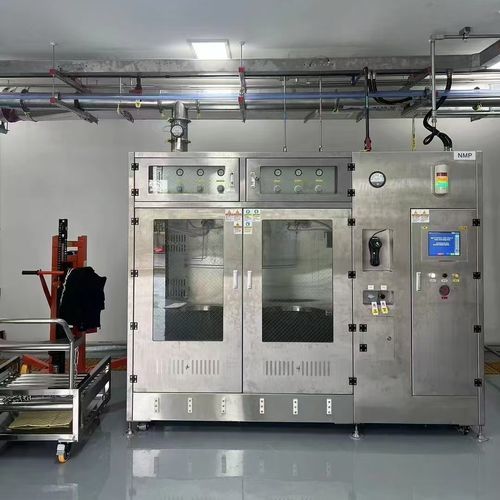
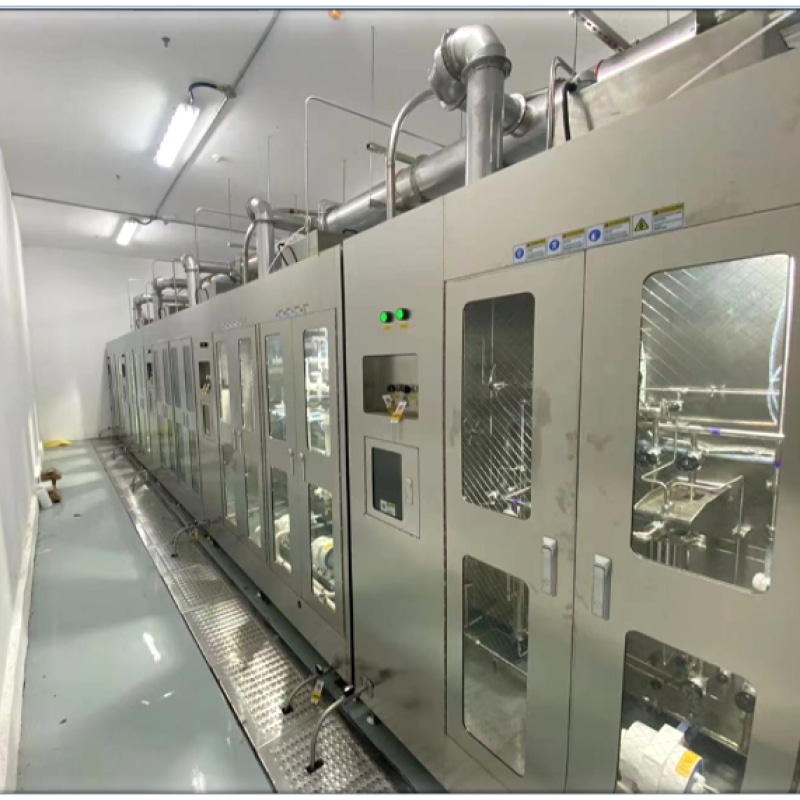
An intelligent chemical delivery module is an advanced automated system designed to store, transport, measure, monitor, and distribute chemicals with minimal human intervention. It combines mechanical equipment, electronic control systems, software intelligence, and data communication technologies into a unified platform.
Unlike conventional chemical supply systems, intelligent modules continuously monitor process conditions and automatically adjust operating parameters based on real-time feedback.
A typical intelligent chemical delivery module includes:
Chemical storage containers or supply vessels
Precision pumps and dosing units
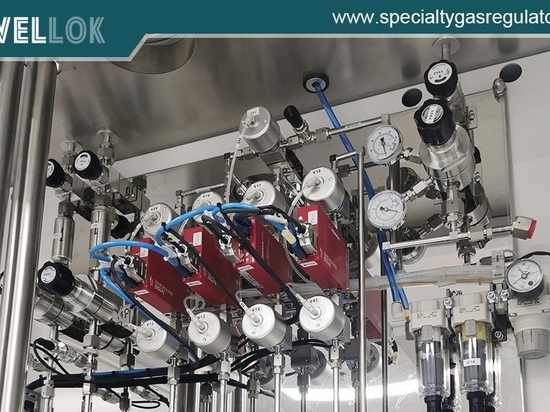
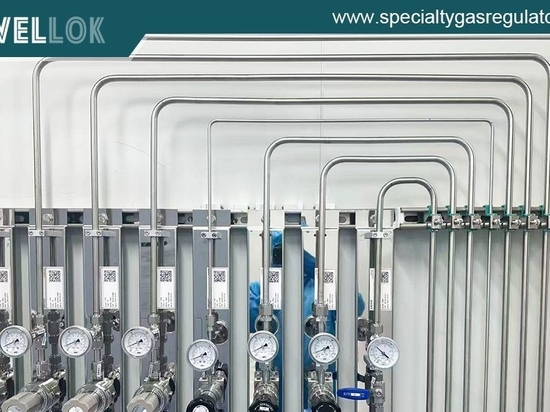
Automated valves and manifold assemblies
Flow, pressure, temperature, and level sensors
PLC or industrial control systems
Human-machine interface (HMI)
Alarm and safety management systems
Remote communication and digital monitoring platforms
These components work together to deliver stable, accurate, and traceable chemical management throughout industrial production processes.
Automation in Chemical Delivery Systems
Automation is the foundation of intelligent chemical delivery technology. Automated operation significantly reduces manual handling risks while improving process repeatability and production consistency.
Automatic Chemical Transfer and Distribution
Modern intelligent delivery modules employ programmable logic controllers (PLCs) to manage chemical transfer operations automatically.
The system can:
Start and stop chemical transfer sequences
Control pump speed and flow rate
Regulate pressure conditions
Switch between chemical supply lines
Perform automatic refill operations
Coordinate multi-point chemical distribution
Automation eliminates many manual operating steps that traditionally introduce errors, contamination risks, and inconsistent process performance.
In semiconductor manufacturing environments, for example, highly corrosive chemicals such as hydrofluoric acid, sulfuric acid, and ammonium hydroxide require extremely precise handling. Automated delivery systems maintain stable chemical supply conditions while minimizing operator exposure.
Precision Flow Control
Chemical concentration, dosage accuracy, and delivery stability are critical parameters in advanced manufacturing.
Intelligent delivery modules integrate high-accuracy mass flow controllers, diaphragm pumps, metering pumps, and feedback control algorithms to achieve precise chemical flow regulation.
Real-time sensor feedback enables closed-loop control functionality. When flow deviations occur, the control system automatically adjusts pump output or valve positions to restore target operating conditions.
This capability improves:
Process consistency
Product quality
Chemical utilization efficiency
Production yield
Batch reproducibility
In pharmaceutical production, precise chemical dosing directly affects formulation accuracy and regulatory compliance. Automated control systems ensure repeatable delivery performance across production cycles.
Automated Safety Interlock Functions
Chemical handling environments often involve hazardous, toxic, flammable, or corrosive substances. Safety automation is therefore a critical requirement.
Intelligent chemical delivery modules incorporate multi-level safety interlock mechanisms.
Typical safety functions include:
Overpressure protection
Leak detection response
Emergency shutdown control
Low-level chemical alarms
Pump dry-run prevention
Temperature excursion protection
Ventilation system coordination
When abnormal conditions are detected, the system automatically initiates predefined protective actions to prevent equipment damage, environmental release, or personnel hazards.
Automation significantly shortens response time during emergency scenarios compared with manual intervention methods.
Digital Monitoring Technologies
Digital monitoring transforms chemical delivery systems from passive infrastructure into active, data-driven operational platforms.
Continuous monitoring provides complete visibility into system status, process conditions, and equipment health.
Real-Time Data Acquisition
Intelligent chemical delivery modules rely on distributed sensor networks to collect operational data continuously.
Common monitored parameters include:
Flow rate
Pressure
Temperature
Chemical level
Conductivity
pH value
Pump performance
Valve status
Leak detection signals
Sensors transmit data to the central control system in real time.
Operators can observe system conditions through local HMIs, supervisory software platforms, or cloud-based dashboards.
Real-time visibility allows immediate identification of abnormalities before they escalate into critical failures.
Centralized Monitoring Platforms
Digital monitoring systems frequently incorporate centralized supervisory software that consolidates information from multiple delivery modules.
This architecture provides a unified operational overview across an entire facility.
Centralized platforms enable users to:
Monitor system performance remotely
Review alarm histories
Access operational trends
Generate maintenance reports
Analyze process deviations
Track chemical consumption
In large semiconductor fabs or chemical production plants, centralized monitoring dramatically improves operational coordination and decision-making efficiency.
Remote accessibility further supports global manufacturing operations where engineering teams may be distributed across multiple geographic locations.
Data Logging and Traceability
Data traceability has become increasingly important in highly regulated and precision-driven industries.
Intelligent chemical delivery systems automatically record process data and operational events.
Typical logged information includes:
Chemical transfer records
Alarm events
Equipment status changes
Operator actions
Maintenance activities
Batch process parameters
Comprehensive digital records support:
Quality assurance
Process validation
Regulatory compliance
Root cause analysis
Continuous improvement programs
In pharmaceutical manufacturing, electronic data records assist compliance with regulatory requirements related to process documentation and audit readiness.
In semiconductor manufacturing, traceable process data helps identify sources of yield loss and contamination incidents.
Integration with Industry 4.0 and Smart Manufacturing
Industry 4.0 initiatives are accelerating the digital transformation of industrial operations worldwide.
Intelligent chemical delivery modules are becoming important building blocks within smart manufacturing ecosystems.
Industrial Communication and Connectivity
Modern intelligent systems support industrial communication protocols such as:
Modbus
Ethernet/IP
Profinet
OPC UA
SECS/GEM
These communication capabilities allow chemical delivery modules to exchange data with broader manufacturing systems.
Integration may include:
Manufacturing execution systems (MES)
SCADA platforms
Enterprise resource planning (ERP) software
Facility monitoring systems
Predictive analytics platforms
Connected operations improve coordination between production scheduling, chemical supply planning, and maintenance management.
Predictive Maintenance Capabilities
Traditional maintenance strategies often rely on fixed schedules or reactive repair approaches.
Intelligent chemical delivery modules introduce predictive maintenance functionality based on condition monitoring and data analytics.
By analyzing equipment performance trends, the system can identify early warning indicators such as:
Pump efficiency degradation
Abnormal vibration patterns
Flow instability
Pressure fluctuations
Sensor drift
Valve response anomalies
Predictive analytics help maintenance teams intervene before equipment failure occurs.
This approach reduces:
Unplanned downtime
Maintenance costs
Production interruptions
Spare parts waste
Predictive maintenance also improves equipment lifecycle performance and operational reliability.
AI and Data Analytics Applications
Artificial intelligence and advanced analytics are increasingly being applied to industrial fluid management systems.
Machine learning algorithms can analyze large operational datasets to identify optimization opportunities.
Potential applications include:
Consumption forecasting
Process parameter optimization
Anomaly detection
Failure prediction
Chemical inventory management
Energy consumption reduction
AI-driven intelligence supports smarter operational decision-making and continuous performance improvement.
As digital transformation advances, intelligent chemical delivery modules will likely become increasingly autonomous and self-optimizing.
Key Advantages of Intelligent Chemical Delivery Modules
The transition from conventional systems to intelligent automated platforms offers numerous operational and economic advantages.
Improved Safety Performance
Reduced manual chemical handling significantly lowers occupational exposure risks.
Automation and digital monitoring strengthen:
Leak prevention
Hazard detection
Emergency response capability
Regulatory compliance
Environmental protection
Safer chemical management protects personnel, equipment, and surrounding facilities.
Enhanced Process Accuracy
Precision control technologies ensure stable delivery conditions and repeatable process execution.
Improved accuracy contributes directly to:
Higher production quality
Reduced variability
Better yield performance
Consistent product characteristics
This is especially important in industries where micro-level deviations can produce substantial quality impacts.
Higher Operational Efficiency
Automated operation reduces labor requirements and minimizes manual intervention.
Digital monitoring improves troubleshooting efficiency through rapid fault identification.
Operational benefits include:
Faster process control
Reduced downtime
Lower maintenance burden
Improved production continuity
Better resource utilization
These improvements translate into measurable productivity gains.
Reduced Chemical Waste
Accurate dosing, leak detection, and optimized control strategies improve chemical utilization efficiency.
Reduced waste provides both economic and environmental advantages.
Lower chemical consumption contributes to:
Cost savings
Sustainability initiatives
Reduced disposal requirements
Lower environmental impact
Sustainable manufacturing goals increasingly drive investment in intelligent chemical management technologies.
Future Development Trends
The future of intelligent chemical delivery technology will likely be shaped by ongoing advances in digitalization, automation, and smart manufacturing.
Several emerging trends are expected to influence system evolution.
Greater System Intelligence
Future platforms will incorporate increasingly sophisticated AI capabilities.
Systems may autonomously optimize operating parameters, adapt to process changes, and recommend corrective actions without requiring constant human supervision.
Self-learning control architectures could significantly enhance operational adaptability.
Expanded Cloud Integration
Cloud-based monitoring platforms will continue expanding across industrial environments.
Cloud connectivity enables:
Global data access
Remote diagnostics
Cross-site benchmarking
Advanced analytics deployment
Scalable digital infrastructure
Hybrid edge-cloud architectures may become standard for balancing performance, security, and computational requirements.
Digital Twin Applications
Digital twin technology is emerging as a powerful tool for industrial system optimization.
Virtual replicas of chemical delivery modules can simulate operating conditions, evaluate performance scenarios, and predict system behavior.
Digital twins may support:
Design optimization
Process simulation
Maintenance planning
Operator training
Risk assessment
This technology offers significant potential for improving system reliability and engineering efficiency.
Sustainability-Oriented Design
Environmental responsibility is becoming a major driver of industrial equipment innovation.
Future intelligent chemical delivery modules are expected to prioritize:
Energy efficiency
Reduced chemical waste
Lower emissions
Resource conservation
Circular economy compatibility
Sustainability objectives will increasingly influence equipment design, system architecture, and operational strategies.
high-pressure gas control valves for industrial use
high-pressure gas control valves for industrial use
Conclusion
Intelligent chemical delivery modules powered by automation and digital monitoring technologies are transforming industrial chemical management.
By combining precision automation, real-time data visibility, predictive analytics, and connected communication architectures, these advanced systems deliver substantial improvements in safety, efficiency, accuracy, and operational intelligence.
As industries continue moving toward smart manufacturing and digital transformation, intelligent chemical delivery platforms will play an increasingly critical role in supporting high-performance production environments.
Organizations investing in intelligent chemical management solutions can gain stronger process control, reduced operational risk, enhanced regulatory compliance, and improved competitive advantage.
The future of chemical delivery is no longer defined solely by mechanical transport systems. It is being redefined by intelligent automation, data-driven monitoring, and the integration of digital intelligence into every stage of chemical handling and process control.
For more about intelligent chemical delivery module: automation and digital monitoring, you can pay a visit to Jewellok at https://www.specialtygasregulator.com/product-category/specialty-gas-cabinet/ for more info.