
#Industry News
Corrosion-Resistant Valve Technology for Toxic and Reactive Gas Handling Systems
Corrosion-Resistant Valve Technology for Toxic and Reactive Gas Handling Systems
In modern semiconductor manufacturing, photovoltaic production, chemical processing, pharmaceutical engineering, and specialty gas delivery industries, toxic and reactive gases are widely used in critical production environments. These gases often exhibit strong corrosiveness, high chemical activity, toxicity, flammability, and sensitivity to contamination. Common process gases such as chlorine (Cl₂), hydrogen fluoride (HF), hydrogen chloride (HCl), ammonia (NH₃), sulfur hexafluoride (SF₆), silane (SiH₄), and nitrogen trifluoride (NF₃) place extremely demanding requirements on system safety, material compatibility, and operational reliability.
Among all components in a gas delivery or exhaust treatment system, valves play a central role in regulating, isolating, controlling, and protecting process flow. Conventional industrial valves frequently experience rapid degradation, seal failure, particle generation, or leakage when exposed to aggressive gas environments. Therefore, corrosion-resistant valve technology has become a critical engineering solution for toxic and reactive gas handling applications.
This article explores the key technologies, material selection strategies, sealing mechanisms, performance requirements, and application trends of corrosion-resistant valves used in hazardous gas systems.
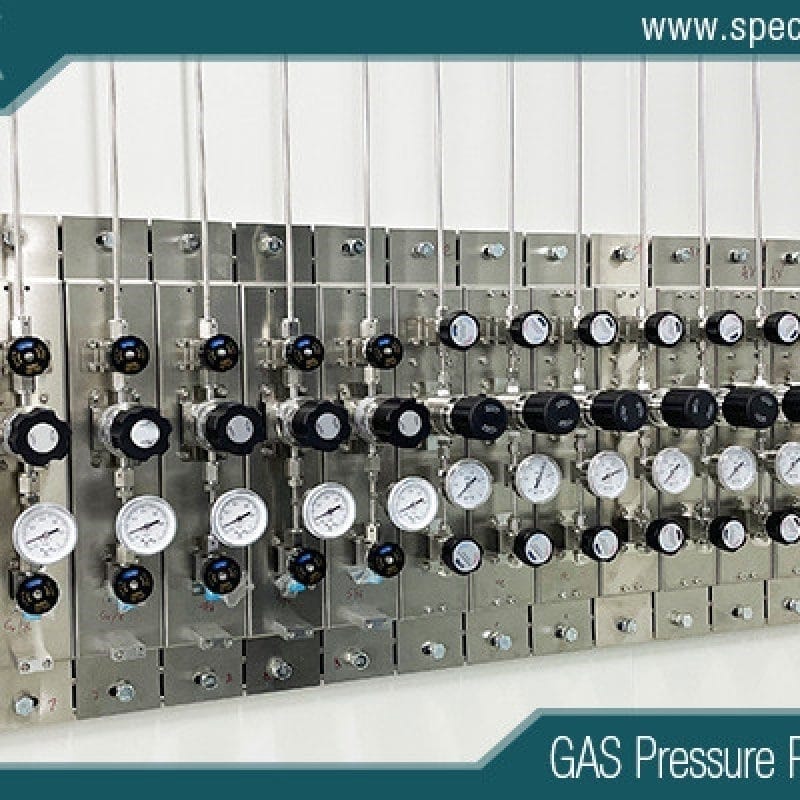
UHP Single Stage Specialty Gas Pressure Regulator
Challenges of Toxic and Reactive Gas Environments
Toxic and reactive gases create highly demanding operating conditions that differ significantly from conventional industrial fluid applications.
The primary challenge is chemical corrosion. Reactive gases can attack metal surfaces through oxidation, halogenation, acid formation, or electrochemical reactions. Chlorine-containing gases, fluorinated compounds, and acidic vapors are especially destructive to standard stainless steel materials.
Another challenge is gas purity control. Semiconductor and electronics manufacturing require ultra-high-purity (UHP) gas systems. Any internal corrosion, particle shedding, or material outgassing from valve components can introduce contamination, affecting product yield and process consistency.
Leak prevention represents another major concern. Toxic gas leakage can create severe safety hazards, environmental pollution, regulatory violations, and production shutdowns. Even micro-leaks at valve stem seals, threaded joints, or seat interfaces may pose unacceptable risks.
Additionally, many reactive gases operate under demanding temperature and pressure conditions. Thermal cycling, pressure fluctuation, and rapid process switching can accelerate seal degradation and material fatigue.
These challenges require valve technologies specifically engineered for hazardous gas compatibility rather than modified versions of conventional industrial products.
Material Selection for Corrosion Resistance
Material engineering is the foundation of corrosion-resistant valve design.
High-Performance Stainless Steel Alloys
316L stainless steel is one of the most widely used materials for toxic gas valves due to its favorable balance of corrosion resistance, mechanical strength, and manufacturability.
Compared with standard 304 stainless steel, 316L contains molybdenum, which significantly improves resistance to chloride attack, pitting corrosion, and acidic environments.
Electropolished 316L stainless steel is frequently employed in semiconductor gas systems because the smooth surface finish minimizes particle retention, chemical adsorption, and corrosion initiation sites.
However, highly aggressive gases may exceed the corrosion tolerance of standard stainless steel alloys.
Nickel-Based Alloys
For severe chemical environments, nickel-based alloys provide superior corrosion performance.
Materials such as Hastelloy®, Inconel®, and Monel® exhibit excellent resistance to oxidizing acids, halogen compounds, chlorides, and high-temperature reactive gases.
Hastelloy C-276, for example, demonstrates exceptional durability in environments involving hydrochloric acid, wet chlorine, and mixed chemical exposures.
Nickel-based materials are commonly selected for chemical processing systems, scrubber exhaust lines, and corrosive specialty gas applications.
Although these materials are more expensive than stainless steel, their long service life and reduced maintenance requirements often justify the investment.
Fluoropolymer Components
Non-metallic materials also play an important role in corrosion-resistant valve technology.
Fluoropolymers such as PTFE, PFA, FEP, and PVDF provide outstanding chemical inertness against a broad range of aggressive gases and corrosive chemicals.
These materials are widely used in valve seats, diaphragms, liners, and sealing components.
PTFE-lined valves, for example, can effectively resist attack from strong acids, reactive halogens, and corrosive gas mixtures.
However, fluoropolymer materials have limitations related to temperature resistance, mechanical strength, creep behavior, and permeability. Proper engineering evaluation is necessary when integrating polymer-based components into critical gas systems.
Advanced Sealing Technology
Valve sealing performance directly determines operational safety in toxic gas handling systems.
Traditional elastomer seals often experience swelling, chemical attack, cracking, or permeation when exposed to reactive gases.
To address these issues, modern corrosion-resistant valves utilize advanced sealing technologies.
Metal-to-Metal Sealing
Metal diaphragm and metal seat sealing designs provide superior leak integrity for hazardous gas applications.
Metal seals offer excellent chemical resistance, high-temperature stability, and low gas permeability.
In ultra-high-purity gas systems, metal-to-metal sealing minimizes outgassing, reduces contamination risk, and supports extremely low leakage performance.
Many high-end diaphragm valves used in semiconductor manufacturing achieve helium leak rates below 1×10⁻⁹ atm·cc/sec.
Diaphragm Valve Architecture
Diaphragm valves are widely preferred for toxic and reactive gas applications.
In a diaphragm valve design, a flexible diaphragm separates the process gas from the actuator mechanism and external environment.
This structure provides several critical advantages:
Elimination of stem leakage pathways
Reduced dead volume
Improved cleanliness
Enhanced corrosion protection
High cycle reliability
Because the actuator remains isolated from the process media, diaphragm valves significantly reduce contamination and maintenance concerns.
Specialized Elastomer Technology
Where elastomeric sealing is unavoidable, material compatibility becomes essential.
Advanced sealing materials include:
Kalrez® perfluoroelastomer (FFKM)
Chemraz® compounds
Viton® fluorocarbon elastomers
EPDM formulations for selected applications
These engineered elastomers exhibit improved resistance to aggressive chemicals, elevated temperatures, and reactive gas exposure.
Seal selection must always be based on detailed chemical compatibility analysis.
Surface Treatment and Internal Finish Optimization
Surface engineering significantly influences corrosion behavior and gas purity performance.
Electropolishing is widely used to improve the corrosion resistance of stainless steel valve components.
The electropolishing process removes microscopic surface irregularities, embedded contaminants, and machining defects.
Benefits of electropolished internal surfaces include:
Lower particle generation
Improved corrosion resistance
Reduced adsorption of reactive gases
Enhanced cleanability
Better gas purity performance
High-purity gas valves commonly require internal surface roughness values below 10 microinch Ra.
Passivation treatments also play a vital role in forming stable chromium oxide protective layers on stainless steel surfaces.
In extremely aggressive environments, specialized coatings such as fluoropolymer coatings, ceramic coatings, or proprietary anti-corrosion treatments may be applied to further enhance durability.
Valve Types Used in Hazardous Gas Systems
Different gas processes require different valve configurations.
Diaphragm Valves
Diaphragm valves dominate semiconductor, analytical laboratory, and specialty gas applications.
Their compact structure, low dead space, leak-tight sealing, and contamination control characteristics make them ideal for ultra-high-purity environments.
Ball Valves
Corrosion-resistant ball valves are widely used for isolation and shutoff applications in industrial chemical systems.
PTFE-lined ball valves and alloy-body ball valves provide effective performance in corrosive service conditions.
Needle Valves
Needle valves offer precise flow adjustment capabilities.
These valves are commonly used in calibration systems, gas sampling systems, instrumentation panels, and laboratory process controls.
High-purity needle valves typically feature electropolished flow paths and corrosion-resistant wetted materials.
Automatic Pneumatic Valves
Automation is increasingly important in hazardous gas handling environments.
Pneumatic and electronically actuated valves support remote operation, automated shutdown, emergency isolation, and intelligent process control.
Automated valve systems improve operational safety by reducing direct human exposure to toxic gases.
Application Areas
Corrosion-resistant valve technology serves a wide range of industries.
Semiconductor Manufacturing
Semiconductor fabs extensively use reactive gases for deposition, etching, cleaning, and chamber conditioning processes.
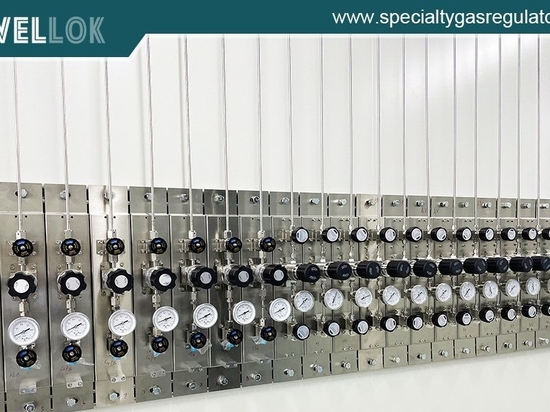
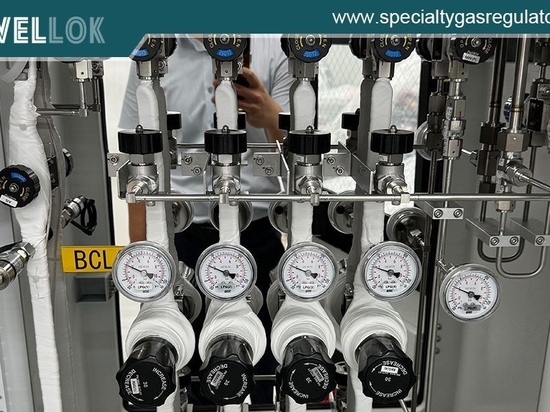
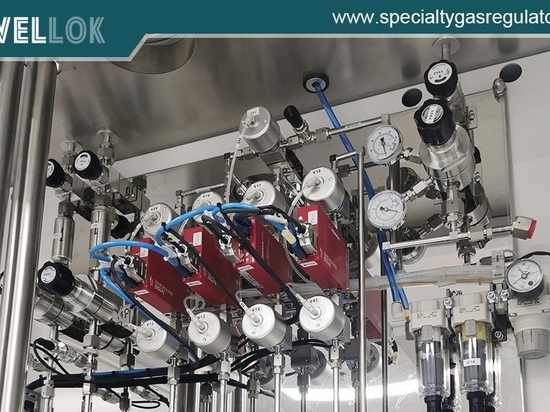
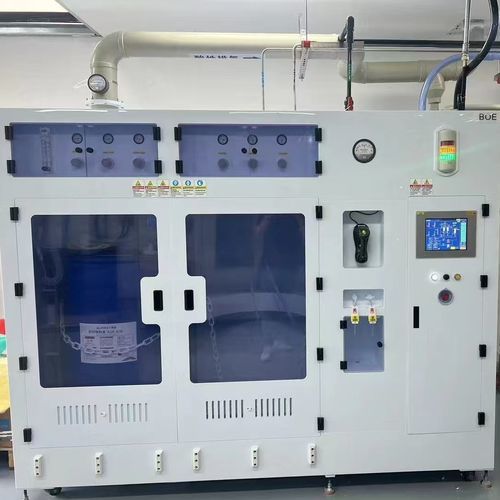
Ultra-high-purity diaphragm valves are critical components in gas cabinets, valve manifold boxes, bulk gas delivery systems, and process tools.
Even trace contamination or minor leakage can affect wafer quality and equipment performance.
Chemical Processing Industry
Chemical plants routinely handle corrosive feedstocks, toxic intermediates, and reactive byproducts.
Corrosion-resistant valves are essential for maintaining safe containment, reliable process control, and long-term operational stability.
Exhaust Gas Scrubber Systems
Exhaust gas treatment systems process harmful process emissions before atmospheric release.
Scrubber systems often handle acidic, halogenated, oxidizing, or chemically reactive exhaust streams.
Valve components within these systems require exceptional resistance to corrosive condensates and aggressive gas compositions.
Pharmaceutical and Laboratory Applications
Research laboratories and pharmaceutical facilities frequently utilize specialty gases for synthesis, analysis, sterilization, and controlled process environments.
Compact, high-integrity corrosion-resistant valves help maintain operator safety and process reliability.
Future Development Trends
The future of corrosion-resistant valve technology is driven by increasing demands for safety, digitalization, sustainability, and process precision.
Smart valve technologies are becoming increasingly common in hazardous gas systems.
Integrated sensors, diagnostic monitoring, predictive maintenance algorithms, and remote communication capabilities enable real-time monitoring of valve health and process status.
Advanced manufacturing technologies are also reshaping valve production.
Precision machining, additive manufacturing, and advanced surface engineering allow manufacturers to optimize flow geometry, reduce dead volume, and improve corrosion resistance.
Material science innovations continue to expand the available range of corrosion-resistant alloys, ceramic composites, and high-performance polymers.
Sustainability considerations are also influencing design priorities.
Longer service life, reduced maintenance frequency, lower leakage emissions, and improved material efficiency contribute to safer and more environmentally responsible gas handling systems.
Conclusion
Corrosion-resistant valves represent a critical technological foundation for toxic and reactive gas handling systems. The combination of aggressive chemistry, strict purity requirements, and demanding safety expectations requires valve solutions far beyond conventional industrial standards.
Successful valve design depends on optimized material selection, advanced sealing technologies, precision surface treatment, and application-specific engineering strategies.
From semiconductor fabrication facilities and chemical plants to exhaust gas scrubber systems and laboratory environments, corrosion-resistant valves ensure reliable flow control, leak prevention, contamination reduction, and long-term operational safety.
As hazardous gas applications continue to evolve, future valve technologies will increasingly integrate intelligent monitoring, advanced materials, and precision engineering to meet the growing demands of modern industrial processing.
For more about corrosion-resistant valve technology for toxic and reactive gas handling systems, you can pay a visit to Jewellok at https://www.specialtygasregulator.com/product-category/specialty-gas-cabinet/ for more info.