
#Industry News
How Liquid Chemical Cabinets Improve Safety in Semiconductor Manufacturing
How Liquid Chemical Cabinets Improve Safety in Semiconductor Manufacturing
Semiconductor manufacturing is one of the most demanding industrial processes in the world, requiring extreme precision, contamination control, and operational safety. Modern semiconductor fabs use hundreds of different chemicals during wafer fabrication, including acids, solvents, photoresist materials, developers, oxidizers, and specialty process chemicals. Many of these liquids are highly corrosive, toxic, flammable, or reactive, creating significant risks for workers, equipment, and the surrounding environment.
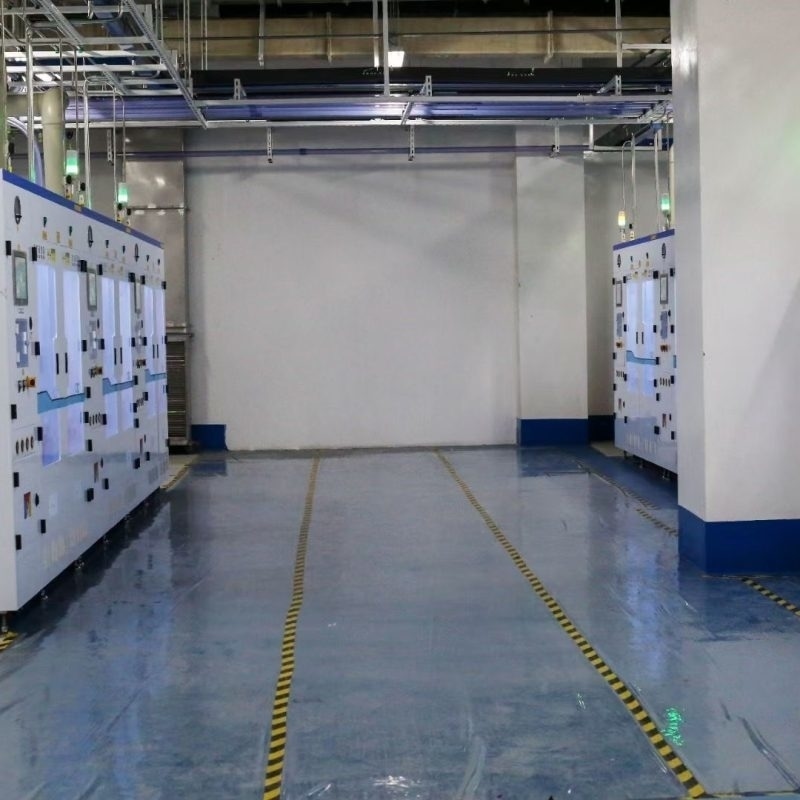
To manage these risks, semiconductor manufacturers rely on advanced liquid chemical cabinets as a critical part of their chemical delivery infrastructure. These specialized storage and distribution systems provide safe containment, accurate chemical supply, leak prevention, and automated monitoring for hazardous process chemicals.
A properly designed liquid chemical cabinet does much more than store chemicals. It integrates safety components such as double containment piping, leak detection sensors, ventilation systems, pressure control devices, filtration units, and automated control systems. By improving chemical handling reliability, liquid chemical cabinets help semiconductor fabs achieve higher production efficiency while maintaining strict safety standards.
This article explains how liquid chemical cabinets improve safety in semiconductor manufacturing and why they are essential for modern cleanroom environments.
1. The Importance of Chemical Safety in Semiconductor Manufacturing
Semiconductor fabrication involves hundreds of process steps, including cleaning, etching, deposition, photolithography, and chemical mechanical polishing (CMP). Each process requires specific chemicals with extremely high purity requirements.
Common liquid chemicals used in semiconductor fabs include:
Sulfuric acid (H₂SO₄)
Hydrochloric acid (HCl)
Hydrofluoric acid (HF)
Nitric acid (HNO₃)
Hydrogen peroxide (H₂O₂)
Ammonium hydroxide (NH₄OH)
Isopropyl alcohol (IPA)
Acetone
Photoresist chemicals
Specialty solvents
Many of these chemicals present serious hazards:
Corrosion risk: Strong acids can damage equipment and infrastructure.
Toxic exposure: Chemical vapors may harm operators if released.
Fire hazards: Organic solvents can ignite under improper storage conditions.
Contamination risks: Chemical impurities can reduce wafer yield.
Environmental concerns: Improper chemical handling can lead to hazardous waste problems.
Because semiconductor devices require nanometer-level precision, even minor contamination or chemical instability can cause major production losses. Therefore, safe chemical management is essential for both employee protection and manufacturing performance.
2. What Is a Liquid Chemical Cabinet?
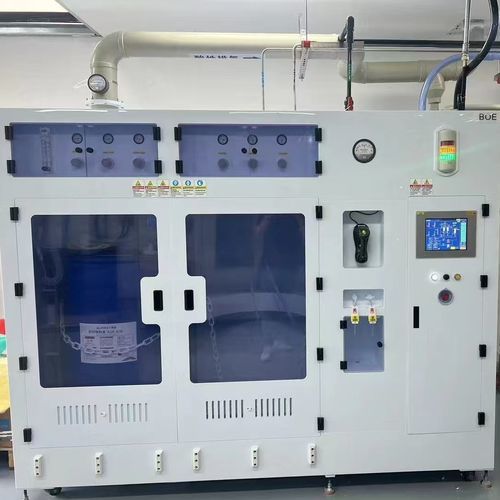
A liquid chemical cabinet is an engineered equipment system designed for the safe storage, distribution, and control of high-purity liquid chemicals used in semiconductor manufacturing.
Unlike traditional chemical storage cabinets, semiconductor-grade liquid chemical cabinets are integrated systems that provide:
Chemical storage protection
Automated chemical delivery
Leak containment
Chemical monitoring
Safety interlocks
Purification and filtration
Process equipment connection
A typical liquid chemical cabinet includes:
Chemical Storage Tanks
High-quality chemical containers store process chemicals before distribution. Materials are selected based on chemical compatibility, including:
High-density polyethylene (HDPE)
Polypropylene (PP)
Polyvinylidene fluoride (PVDF)
Fluoropolymer materials such as PTFE
These materials prevent chemical reactions and maintain chemical purity.
Double Containment Piping
One of the most important safety features is double containment piping.
The system uses:
An inner pipe for chemical transportation
An outer protective pipe for leak containment
If the primary pipe fails, the secondary containment layer prevents chemical leakage into the cleanroom environment.
This design significantly reduces the risk of chemical exposure and equipment damage.
Chemical Pumps and Valves
Precision pumps and valves control chemical flow rates and delivery pressure.
Common components include:
Pneumatic diaphragm pumps
High-purity valves
Pressure regulators
Flow controllers
These components ensure chemicals are delivered accurately to process tools without contamination.
3. Preventing Chemical Leaks and Accidental Exposure
Chemical leakage is one of the most serious safety concerns in semiconductor facilities. A small leak of corrosive chemicals can damage equipment, interrupt production, and create safety hazards.
Liquid chemical cabinets improve leak prevention through multiple technologies.
Leak Detection Systems
Modern chemical cabinets are equipped with advanced sensors, including:
Liquid leak sensors
Chemical vapor detectors
Pressure monitoring sensors
When abnormal conditions occur, the system immediately sends an alarm signal to facility monitoring systems.
Early detection allows operators to:
Stop chemical supply
Isolate affected areas
Perform maintenance safely
Prevent major chemical incidents
Automatic Shut-Off Function
Many advanced liquid chemical cabinets include automatic emergency shut-off systems.
If the cabinet detects:
Pipe leakage
Abnormal pressure
Pump failure
Chemical overflow
The control system can automatically:
Close chemical valves
Stop pumps
Activate alarms
This reduces dependence on manual operation and improves response speed.
4. Improving Operator Safety
Chemical handling is one of the highest-risk activities in semiconductor facilities. Manual chemical transfer can expose workers to hazardous substances and increase the chance of accidents.
Liquid chemical cabinets improve operator safety by minimizing direct chemical contact.
Closed Chemical Delivery Systems
A closed delivery design allows chemicals to move from storage containers directly to semiconductor process equipment without open handling.
Benefits include:
Reduced chemical exposure
Lower risk of spills
Improved workplace safety
Better contamination control
Operators no longer need to manually pour or transfer hazardous chemicals during normal operations.
Ventilation and Exhaust Control
Many liquid chemical cabinets are equipped with dedicated exhaust systems.
These systems remove:
Chemical vapors
Harmful gases
Solvent fumes
Proper ventilation maintains a safer working environment and prevents hazardous vapor accumulation.
For semiconductor fabs using volatile chemicals such as solvents, effective exhaust management is essential.
5. Maintaining Ultra-High Chemical Purity
Safety in semiconductor manufacturing is not only about preventing accidents. Chemical purity is equally important.
Even trace contamination can affect semiconductor performance and reduce production yield.
Liquid chemical cabinets help maintain chemical quality through:
High-Purity Materials
Semiconductor chemical delivery systems commonly use corrosion-resistant materials such as:
PVDF
PTFE
PFA
High-purity stainless steel
These materials minimize particle generation and chemical contamination.
Filtration Systems
Integrated filtration systems remove:
Particles
Metal ions
Chemical impurities
before chemicals reach process equipment.
High-efficiency filtration ensures stable chemical performance during critical wafer fabrication processes.
Controlled Chemical Environment
Liquid chemical cabinets maintain stable conditions by controlling:
Temperature
Pressure
Flow rate
Chemical exposure time
This improves process consistency and reduces manufacturing defects.
6. Enhancing Automation and Process Reliability
Modern semiconductor fabs require highly automated chemical management systems. Manual operation creates variability and increases the possibility of human error.
Liquid chemical cabinets integrate with factory automation systems, including:
PLC control systems
Industrial communication networks
Factory monitoring software
Equipment management systems
Automation provides several advantages:
Accurate Chemical Supply
Automated control ensures that semiconductor tools receive the correct amount of chemical at the required flow rate.
This improves:
Process repeatability
Wafer quality
Production efficiency
Real-Time Monitoring
Operators can monitor important parameters such as:
Chemical level
Flow rate
Pressure
Temperature
System status
Real-time information allows predictive maintenance and reduces unexpected downtime.
7. Compliance with Semiconductor Safety Standards
Semiconductor manufacturing facilities must comply with strict safety regulations and industry standards.
Liquid chemical cabinets are designed according to requirements from organizations such as:
SEMI standards
OSHA safety requirements
NFPA chemical safety guidelines
International cleanroom safety regulations
Compliance ensures that chemical handling systems meet requirements for:
Fire protection
Chemical containment
Worker safety
Environmental protection
Manufacturers of semiconductor equipment often customize liquid chemical cabinets based on fab requirements, chemical characteristics, and process applications.
8. Applications of Liquid Chemical Cabinets in Semiconductor Processes
Liquid chemical cabinets are widely used across semiconductor manufacturing applications.
Wet Cleaning Processes
Cleaning processes require aggressive chemicals to remove:
Organic contamination
Metal residues
Particles
Chemical cabinets provide safe and stable chemical delivery for cleaning equipment.
Photolithography Processes
Photoresist and developer chemicals require precise handling to maintain imaging accuracy.
Chemical cabinets ensure:
Stable chemical supply
Controlled flow
Reduced contamination
CMP Processes
Chemical mechanical polishing uses slurry chemicals that require controlled delivery.
Liquid chemical systems help maintain consistent slurry quality and improve wafer polishing performance.
Advanced Semiconductor Manufacturing
As semiconductor nodes continue shrinking, chemical management becomes increasingly critical.
Advanced fabs require highly reliable chemical delivery solutions to support:
5nm and 3nm semiconductor production
High-volume manufacturing
Advanced packaging processes
9. Choosing the Right Liquid Chemical Cabinet Manufacturer
Selecting the right liquid chemical cabinet supplier is essential for semiconductor manufacturers.
Important evaluation factors include:
Material Compatibility
The cabinet must be designed according to the chemicals being used. Different chemicals require different materials to prevent corrosion and contamination.
Custom Engineering Capability
Every semiconductor facility has unique requirements. A professional manufacturer should provide:
Customized cabinet design
Chemical compatibility analysis
Piping configuration
Automation integration
Safety Design
Reliable suppliers should provide safety features such as:
Leak detection
Emergency shutdown
Exhaust systems
Secondary containment
Quality Control
Semiconductor applications require strict manufacturing standards. Suppliers should maintain quality control for:
Welding processes
Clean assembly
Component inspection
System testing
Conclusion
Liquid chemical cabinets play a critical role in improving safety, reliability, and efficiency in semiconductor manufacturing. By combining advanced containment technology, automated chemical delivery, leak detection, ventilation systems, and high-purity materials, these systems protect operators while maintaining the strict chemical control required for semiconductor production.
As semiconductor technologies continue advancing toward smaller process nodes and higher performance devices, chemical management requirements will become increasingly demanding. Reliable liquid chemical cabinets will remain an essential solution for semiconductor fabs seeking safer operations, improved process stability, and higher manufacturing productivity.
For semiconductor manufacturers, investing in a high-quality liquid chemical cabinet system is not only a safety improvement but also a strategic decision that supports long-term production success.
For more about how liquid chemical cabinets improve safety in semiconductor manufacturing, you can pay a visit to Jewellok at https://www.specialtygasregulator.com/product-category/specialty-gas-cabinet/ for more info.