
#Industry News
Key Features to Consider When Selecting a Chemical Dispense Unit (CDU) System
Key Features to Consider When Selecting a Chemical Dispense Unit (CDU) System
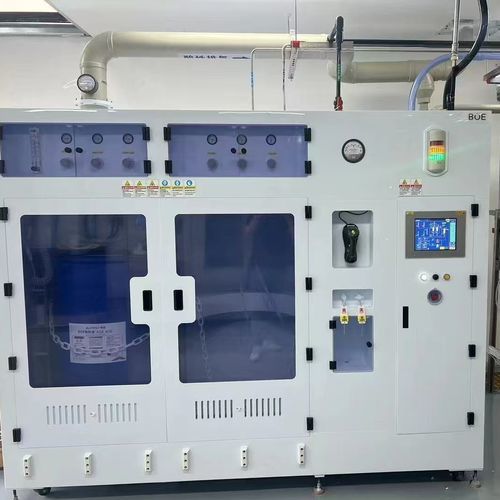
In modern industries such as semiconductor manufacturing, pharmaceuticals, chemical processing, and advanced materials production, the precise handling and delivery of chemicals is critical to both product quality and operational safety. A Chemical Dispense Unit (CDU) plays a vital role in ensuring that chemicals are accurately measured, safely transported, and efficiently delivered to process tools or storage systems. Selecting the right Chemical Dispense Unit (CDU) system is therefore a strategic decision that can significantly impact productivity, compliance, and long-term operational costs.
This article explores the key features and considerations that engineers, procurement specialists, and plant managers should evaluate when choosing a CDU system.
vmb valve manifold box manufacturer in china
vmb valve manifold box manufacturer in china
1. Chemical Compatibility and Material Selection
One of the most fundamental considerations when selecting a CDU system is its compatibility with the chemicals it will handle. Industrial processes often involve corrosive, toxic, or ultra-high purity chemicals such as acids, solvents, and specialty gases.
The materials used in CDU construction—such as stainless steel (e.g., SS316L), fluoropolymers (PTFE, PFA), or specialized alloys—must be carefully selected to prevent corrosion, contamination, or chemical reactions. For ultra-high purity (UHP) applications, particularly in semiconductor fabrication, even trace contamination can lead to significant yield losses.
Additionally, elastomers, seals, and diaphragms must also be chemically resistant and non-reactive. Improper material selection can result in system degradation, leaks, and safety hazards.
2. Precision and Flow Control Accuracy
A Chemical Dispense Unit (CDU) system must provide highly accurate and repeatable chemical dispensing. Precision is especially critical in industries where even slight variations in chemical concentration can affect product performance or safety.
Key components that influence accuracy include:
High-precision flow meters (e.g., Coriolis or ultrasonic)
Pressure regulators and control valves
Automated dosing systems with feedback loops
Advanced CDU systems often integrate closed-loop control mechanisms that continuously monitor flow rates and adjust parameters in real time. This ensures consistent delivery and minimizes waste.
3. Automation and Control System Integration
Modern CDU systems are increasingly automated and integrated into broader plant control architectures. Compatibility with control systems such as PLC (Programmable Logic Controller) or SCADA (Supervisory Control and Data Acquisition) is essential.
Important automation features include:
Remote monitoring and control
Recipe-based dispensing
Alarm and fault detection systems
Data logging and traceability
Integration with factory automation systems allows for improved process control, reduced human error, and enhanced operational efficiency. It also supports Industry 4.0 initiatives, enabling predictive maintenance and data-driven optimization.
4. Safety Features and Compliance
Handling hazardous chemicals requires robust safety mechanisms. CDU systems must be designed to minimize risks to personnel, equipment, and the environment.
Critical safety features include:
Leak detection systems
Automatic shut-off valves
Pressure relief devices
Gas and vapor monitoring sensors
Secondary containment structures
In addition, the CDU system must comply with relevant international and local safety standards, such as SEMI standards (for semiconductor applications), OSHA regulations, and environmental protection guidelines.
A well-designed CDU not only protects operators but also helps companies avoid costly downtime and regulatory penalties.
5. System Scalability and Flexibility
As production demands evolve, the CDU system should be able to scale accordingly. A flexible design allows for easy expansion, modification, or reconfiguration.
Considerations include:
Modular design for adding or removing components
Multi-chemical handling capability
Adjustable flow ranges
Compatibility with different container sizes (drums, totes, bulk tanks)
Scalability is particularly important for growing facilities or those planning to introduce new product lines. Investing in a flexible CDU system can reduce the need for future capital expenditures.
6. Cleanliness and Contamination Control
In high-tech industries such as semiconductor and pharmaceutical manufacturing, maintaining a contamination-free environment is critical. CDU systems must be designed to prevent particle generation and chemical contamination.
Key features include:
Smooth internal surfaces to reduce particle buildup
Minimal dead legs and optimized flow paths
Cleanroom-compatible design
Use of high-purity components and fittings
Additionally, systems may include filtration units or purge capabilities to ensure that chemicals remain uncontaminated throughout the dispensing process.
7. Maintenance and Serviceability
Ease of maintenance is an often-overlooked factor that can significantly impact operational efficiency. CDU systems should be designed for quick and safe servicing.
Important aspects include:
Accessible component layout
Tool-free or minimal-tool maintenance
Replaceable modules or cartridges
Clear diagnostic and troubleshooting interfaces
Regular maintenance is essential to ensure system reliability and longevity. A CDU system that simplifies maintenance procedures can reduce downtime and labor costs.
8. Cost of Ownership (Not Just Initial Cost)
While the initial purchase price is an important consideration, it should not be the sole deciding factor. Total cost of ownership (TCO) includes installation, operation, maintenance, and potential downtime costs.
Factors affecting TCO include:
Energy consumption
Chemical waste reduction
Maintenance frequency and spare parts cost
System lifespan and reliability
A higher upfront investment in a high-quality CDU system may result in lower long-term costs due to improved efficiency and reduced failures.
9. Supplier Expertise and Support
The experience and technical capability of the CDU supplier are critical. A reputable supplier should offer:
Custom engineering solutions
Technical consultation and system design support
Installation and commissioning services
After-sales support and spare parts availability
Working with an experienced partner ensures that the CDU system is properly configured for your specific application and that support is available throughout the system lifecycle.
10. Environmental Considerations
Sustainability is becoming increasingly important in industrial operations. CDU systems can contribute to environmental goals by minimizing chemical waste, reducing emissions, and improving energy efficiency.
Features that support environmental performance include:
Closed-loop systems to reduce chemical exposure
Efficient dosing to minimize waste
Integration with waste treatment systems
Low-energy components and operation modes
Selecting an environmentally responsible CDU system not only helps meet regulatory requirements but also enhances corporate sustainability initiatives.
vmb valve manifold box manufacturer in china
vmb valve manifold box manufacturer in china
Conclusion
Choosing the right Chemical Dispense Unit (CDU) system is a complex decision that requires careful evaluation of multiple technical and operational factors. From material compatibility and precision control to safety, automation, and long-term cost considerations, each feature plays a crucial role in ensuring optimal performance.
A well-designed CDU system not only enhances process efficiency and product quality but also improves safety, reduces operational risks, and supports future scalability. By taking a comprehensive and forward-looking approach to selection, organizations can make informed decisions that deliver lasting value.
If you are evaluating CDU systems for your facility, it is advisable to conduct a thorough needs assessment and collaborate with experienced suppliers to ensure the chosen solution aligns with your specific requirements and industry standards.
For more about key features to consider when selecting a Chemical Dispense Unit (CDU) system, you can pay a visit to Jewellok at https://www.specialtygasregulator.com/product-category/specialty-gas-cabinet/ for more info.