

#Industry News
Heavy-Duty Outdoor Gas Storage Cabinet for Industrial Gas Cylinders
Heavy-Duty Outdoor Gas Storage Cabinet for Industrial Gas Cylinders
Industrial gas cylinders are widely used in semiconductor manufacturing, metal fabrication, chemical processing, laboratories, pharmaceuticals, food processing, welding, and other industrial applications. However, storing compressed gas cylinders outdoors requires much more than simply placing cylinders under a roof. Cylinders must be protected from weather, unauthorized access, mechanical impact, excessive heat, and other environmental hazards while maintaining appropriate ventilation and operational accessibility.
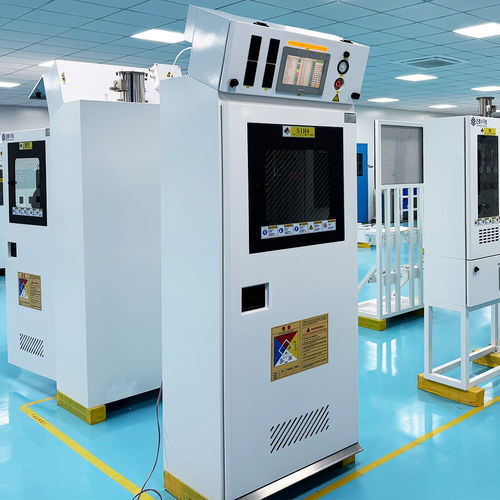
A Heavy-Duty Outdoor Gas Storage Cabinet for Industrial Gas Cylinders provides a dedicated solution for organized and secure outdoor cylinder storage. Designed for demanding industrial environments, these cabinets combine a robust enclosure, weather-resistant construction, cylinder restraints, ventilation features, access control, and customizable configurations.
For facilities that store oxygen, nitrogen, argon, carbon dioxide, hydrogen, helium, specialty gases, or other compressed gases, selecting the right outdoor gas cylinder cabinet can significantly improve site safety, equipment organization, and operational efficiency.
ultra high purity nitrogen pressure regulators
What Is an Outdoor Gas Storage Cabinet?
An outdoor gas storage cabinet is a purpose-built enclosure designed to store compressed gas cylinders outside industrial buildings. Unlike ordinary metal storage boxes, professional gas cylinder cabinets are engineered around the specific requirements associated with compressed gas storage.
A heavy-duty cabinet normally includes a reinforced metal structure, secure doors, ventilation openings, cylinder retaining systems, weather-resistant surface treatment, and optional features such as gas detection, warning labels, access control, and customized internal layouts.
The cabinet provides a defined storage location for cylinders while helping prevent accidental tipping, unauthorized handling, and exposure to harsh outdoor conditions.
Depending on the application, an outdoor gas storage cabinet may be configured for individual cylinders, multiple cylinders, or larger cylinder banks. The cabinet can also be customized according to cylinder dimensions, gas type, installation location, and facility requirements.
Why Heavy-Duty Outdoor Gas Storage Matters
Compressed gas cylinders contain gases at high pressure. Even when a cylinder is not connected to a process system, improper storage can create significant safety and operational concerns.
Outdoor storage introduces additional environmental challenges. Rain, humidity, UV exposure, dust, temperature fluctuations, and corrosive atmospheric conditions can affect the long-term condition of the cabinet and its components.
A heavy-duty outdoor gas cabinet addresses these challenges through several layers of protection.
Protection Against Weather
Outdoor equipment must withstand changing environmental conditions. A suitable cabinet should use materials and coatings appropriate for the installation environment.
Carbon steel cabinets may use powder coating, industrial paint, galvanization, or other corrosion-resistant treatments. Stainless steel construction can be selected for more demanding environments where corrosion resistance is a major concern.
The roof and enclosure design should also help prevent direct rainwater from reaching stored cylinders while allowing sufficient ventilation.
Protection Against Mechanical Damage
Industrial facilities often have forklifts, carts, trucks, and other mobile equipment operating near gas storage areas. A properly designed cabinet creates a physical barrier around cylinders and helps reduce the risk of accidental impact.
Heavy-duty construction may include reinforced frames, strong hinges, impact-resistant doors, protective posts, and secure cylinder racks.
The cabinet should also be installed in a location that minimizes the possibility of vehicle collision and should follow the site’s applicable safety and installation requirements.
Cylinder Stability
Compressed gas cylinders should be properly secured during storage. Cylinders that are not restrained can potentially tip over during handling or accidental impact.
Professional outdoor gas cabinets therefore commonly include chains, straps, brackets, retaining bars, or dedicated cylinder racks.
The internal structure can be designed according to cylinder diameter and height, allowing different cylinder sizes to be stored in an organized configuration.
Key Design Features of a Heavy-Duty Gas Storage Cabinet
A high-quality outdoor gas cylinder cabinet should be evaluated based on its construction, ventilation, security, corrosion resistance, accessibility, and compatibility with the cylinders being stored.
1. Heavy-Duty Structural Construction
Industrial gas cabinets should have sufficient structural strength for their intended application.
A reinforced steel frame provides mechanical stability and supports the cabinet doors, roof, cylinder restraints, and internal accessories. Material thickness should be selected according to cabinet dimensions, loading requirements, environmental conditions, and transportation or installation considerations.
For highly corrosive environments, stainless steel construction may offer an extended service life compared with conventional painted steel.
2. Weather-Resistant Enclosure
Outdoor gas storage cabinets should be designed to handle rain, sunlight, dust, and humidity.
A sloped or overhanging roof can help reduce water accumulation. Door seals, drainage considerations, corrosion-resistant fasteners, and protective coatings may further improve long-term outdoor performance.
However, weather protection should not compromise ventilation. The enclosure needs to be designed so that protection from the environment and appropriate airflow are balanced.
3. Natural Ventilation
Ventilation is one of the most important design considerations for outdoor compressed gas storage.
Depending on the properties of the stored gas and applicable regulations, ventilation openings may be incorporated into the cabinet walls or doors. The purpose is to reduce the possibility of gas accumulation inside the enclosure if leakage occurs.
Ventilation requirements vary according to gas properties, cylinder configuration, cabinet design, and local regulations. For example, heavier-than-air and lighter-than-air gases can behave differently following a release.
For this reason, ventilation should be engineered based on the specific application rather than copied from a generic cabinet design.
4. Secure Cylinder Restraint System
A gas cylinder storage cabinet should provide reliable methods of securing cylinders.
Adjustable chains or straps can accommodate different cylinder diameters. Fixed cylinder racks can provide additional organization when the cabinet is designed for a standardized cylinder size.
For facilities handling many cylinders, multi-position racks can improve storage density while maintaining separation and accessibility.
5. Lockable Doors
Outdoor gas cylinder cabinets should normally provide controlled access.
Lockable doors can prevent unauthorized personnel from accessing cylinders and reduce the likelihood of accidental interference. Depending on facility security requirements, cabinets may use padlock hasps, keyed locks, electronic access systems, or other access-control solutions.
Clear warning signs should also be provided where required to identify the presence of compressed gases and associated hazards.
6. Corrosion-Resistant Surface Treatment
Corrosion protection is particularly important for outdoor gas storage.
Common options include powder coating, galvanized steel, epoxy-based coatings, stainless steel, and specialized industrial coatings.
The appropriate treatment depends on factors such as humidity, salt exposure, chemical vapors, temperature, and expected service life.
Coastal facilities, chemical plants, wastewater facilities, and other corrosive environments may require enhanced material and coating specifications.
Gas Types That Can Be Stored in Outdoor Cabinets
Outdoor gas storage cabinets can be configured for many industrial gases, but the cabinet design should always be matched to the characteristics of the gas.
Common gases include:
Nitrogen (N₂)
Oxygen (O₂)
Argon (Ar)
Carbon dioxide (CO₂)
Helium (He)
Hydrogen (H₂)
Compressed air
Specialty process gases
Welding and shielding gases
Different gases have different properties, including flammability, oxidizing behavior, toxicity, density, and chemical reactivity.
For example, storage requirements for oxygen cylinders can differ substantially from those for flammable or toxic gases. Hydrogen storage requires particular attention to ignition sources, ventilation, separation, and applicable fire-safety requirements.
Therefore, a cabinet manufacturer should know the gas type and application before recommending a final configuration.
Outdoor Gas Cabinet for Semiconductor and High-Tech Facilities
Semiconductor manufacturing facilities often require a highly organized gas infrastructure. Process gases may be supplied from gas cabinets, bulk gas systems, cylinder banks, or specialty gas delivery systems.
An outdoor cylinder storage cabinet can serve as a dedicated storage area for backup cylinders, utility gases, or other industrial gases.
For high-purity applications, the cabinet itself may not be the component responsible for gas purification or pressure control. Instead, it provides secure environmental protection and organized storage while the downstream gas delivery system manages pressure regulation, filtration, valve control, and distribution.
In these facilities, cabinet design may need to integrate with gas panels, manifolds, gas detection systems, remote monitoring, and facility management systems.
Customization Options
Industrial facilities rarely have identical storage requirements. A professional manufacturer should therefore offer customizable cabinet configurations.
Typical customization options include cabinet width, height, and depth; cylinder quantity; cylinder diameter; material; coating; door configuration; ventilation design; cylinder racks; warning signs; lock type; lifting points; and mounting arrangements.
For example, a compact cabinet may be designed for two or four cylinders, while a larger enclosure can accommodate a complete cylinder bank.
The internal arrangement can also be customized to separate full and empty cylinders, different gas categories, or primary and backup supplies.
Installation Considerations
Choosing a high-quality cabinet is only part of the solution. Proper installation is equally important.
The installation location should provide adequate access for cylinder delivery and replacement while minimizing exposure to vehicle traffic and other physical hazards.
The foundation should be stable and appropriate for the cabinet’s weight and local environmental conditions. Anchoring may be required depending on cabinet size, wind conditions, and site requirements.
Clear access should also be maintained around the cabinet so operators can safely inspect and handle cylinders.
The cabinet should not be installed in a location where ventilation openings could easily become blocked by materials, snow, vegetation, or other obstacles.
All installation decisions should follow applicable local regulations, fire codes, occupational safety requirements, and the gas supplier’s recommendations.
How to Choose the Right Outdoor Gas Storage Cabinet
When selecting an outdoor gas cylinder cabinet, buyers should evaluate several technical factors.
First, identify the gas types and cylinder specifications. Determine the cylinder diameter, height, valve configuration, and quantity.
Second, evaluate the environmental conditions. A coastal location may require better corrosion protection than an indoor industrial site, while chemical facilities may require specialized materials.
Third, determine the required ventilation configuration. Gas properties and local regulations should be considered during the design stage.
Fourth, evaluate security requirements. If access must be restricted, choose an appropriate locking mechanism.
Finally, consider future expansion. A cabinet that can accommodate additional cylinders or modular accessories may provide better long-term value.
Advantages of a Heavy-Duty Outdoor Gas Storage Cabinet
A properly engineered cabinet can provide several operational benefits.
Improved organization: Cylinders are stored in a dedicated and clearly defined location.
Enhanced physical protection: The enclosure and restraints help protect cylinders against environmental and mechanical hazards.
Better access control: Lockable doors help limit access to authorized personnel.
Improved weather resistance: Protective construction and coatings help reduce outdoor exposure.
Flexible capacity: Cabinets can be configured for different cylinder quantities and sizes.
Easier maintenance: Organized storage makes inspection and cylinder replacement more efficient.
Custom integration: Cabinets can be designed to work with cylinder racks, gas detection, manifolds, and other facility systems.
Maintenance and Inspection
Regular inspection is essential for maintaining outdoor gas storage cabinets.
Operators should periodically inspect the cabinet structure, doors, hinges, locks, ventilation openings, cylinder restraints, mounting points, and surface coating.
Corrosion, deformation, loose hardware, damaged restraints, or blocked ventilation openings should be addressed promptly.
The cylinders themselves should also be inspected according to the applicable gas supplier and regulatory requirements.
A maintenance schedule can help facilities identify deterioration before it becomes a larger operational problem.
automatic gas changeover system manufacturers
Conclusion
A Heavy-Duty Outdoor Gas Storage Cabinet for Industrial Gas Cylinders is an important component of a safe and organized industrial gas storage area. Unlike ordinary outdoor storage enclosures, purpose-built gas cabinets are designed around the specific requirements of compressed gas cylinders, including cylinder restraint, ventilation, weather protection, access control, corrosion resistance, and industrial durability.
For manufacturing plants, semiconductor facilities, laboratories, chemical plants, fabrication workshops, and other industrial sites, the best cabinet configuration depends on the gas type, cylinder dimensions, storage capacity, environmental conditions, and applicable regulations.
Selecting the right materials, ventilation design, cylinder restraint system, locking solution, and protective coating can significantly improve the cabinet’s reliability and service life.
For projects requiring specialized configurations, working with an experienced industrial gas equipment manufacturer allows the cabinet to be customized according to cylinder specifications, installation conditions, storage capacity, and facility requirements. A well-designed outdoor gas storage cabinet ultimately provides more than simple storage—it creates a controlled, durable, and organized environment for managing industrial gas cylinders safely and efficiently.
For more about heavy-duty outdoor gas storage cabinet for industrial gas cylinders, you can pay a visit to Jewellok at https://www.specialtygasregulator.com/product-category/specialty-gas-cabinet/ for more info.