
#Industry News
How Do You Select the Right Pressure Regulator for a Laboratory Gas Distribution System?
How Do You Select the Right Pressure Regulator for a Laboratory Gas Distribution System?
In modern analytical and research laboratories, precision, safety, and reliability are paramount. Whether powering a gas chromatograph (GC), an inductively coupled plasma mass spectrometer (ICP-MS), or providing purge gas for sensitive reactors, the integrity of the gas distribution system underpins the validity of experimental results. At the heart of this distribution network lies a critical component: the pressure regulator.
Selecting the right pressure regulator is not merely a matter of matching thread sizes; it requires a deep understanding of fluid dynamics, material science, gas purity requirements, and safety standards. Choosing incorrectly can lead to erratic analytical baselines, costly equipment downtime, contamination of high-purity gases, or severe safety hazards.
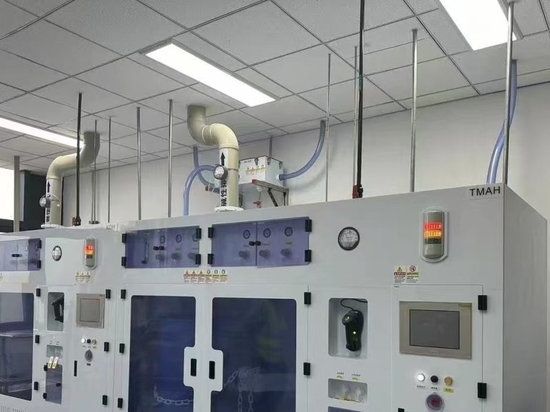
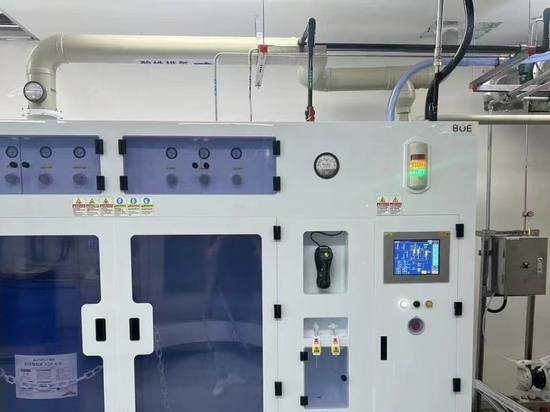
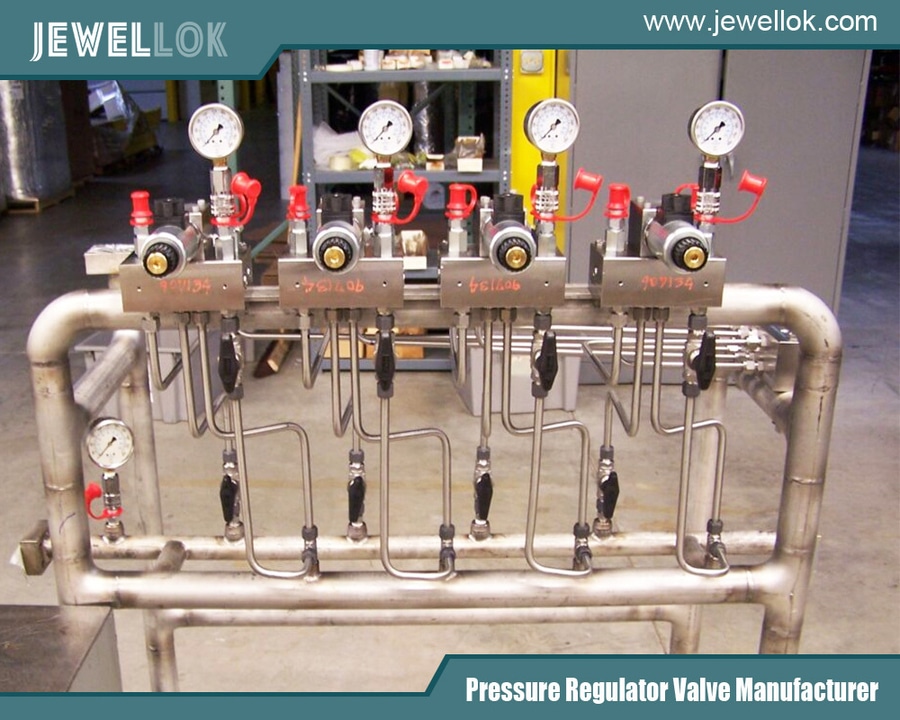
high purity high pressure gas delivery system
1. Defining the Core Operating Parameters
Before evaluating hardware options, you must define the operational envelope of your laboratory system. Every pressure regulator is governed by fundamental parameters that dictate its performance.
Inlet Pressure
The inlet pressure is the pressure of the gas entering the regulator from the source—whether it is a high-pressure gas cylinder (often starting at 2,000 to 3,000 psi / 138 to 207 bar), a cryogenic liquid cylinder, or a bulk manifold system.
The Rule of Thumb: Always select a regulator with a maximum inlet pressure rating that exceeds the maximum possible pressure of the source. For high-pressure gas cylinders, ensure the regulator CGA (Compressed Gas Association) connection matches the specific cylinder valve to prevent cross-contamination or hazardous leaks.
Outlet Pressure
The outlet pressure (or delivery pressure) is the regulated, lower pressure supplied downstream to your laboratory instruments or point-of-use equipment.
Range Selection: Select a regulator whose outlet pressure range comfortably covers your required operating point. Ideally, your operating pressure should sit in the middle 50% of the regulator’s delivery range for optimal control sensitivity and diaphragm life.
Flow Rate and Flow Capacity
Flow rate is measured in standard cubic feet per hour (SCFH) or liters per minute (LPM). The flow capacity of a regulator is quantified by its flow coefficient .
If a regulator is oversized (Cv too large), minor adjustments to the control knob can cause massive, erratic swings in delivery pressure.
If a regulator is undersized, it will experience excessive pressure drop (droop) under peak load conditions, starving your instruments of necessary gas volume.
2. Single-Stage vs. Two-Stage Regulators
One of the most consequential architectural decisions in laboratory gas design is choosing between a single-stage and a two-stage pressure regulator.
Feature / Attribute Single-Stage Regulator Two-Stage Regulator
Internal Stages One stage of pressure reduction Two stages of pressure reduction in series
Supply Pressure Effect Significant (outlet pressure rises as cylinder empties) Negligible (maintains constant outlet pressure)
Best Used For House lines, stable source pressures, non-critical applications Gas cylinders, analytical instruments, high-purity applications
Cost Generally lower Higher due to complex internal machining
Why Two-Stage Regulators Matter in Analytical Labs
As a compressed gas cylinder empties, its internal pressure drops steadily from thousands of psi down to near zero. In a single-stage regulator, this dropping inlet pressure forces an increase in the downstream delivery pressure—a phenomenon known as the supply pressure effect.
If your gas chromatograph relies on a stable carrier gas pressure to maintain precise retention times, this drift will ruin analytical repeatability. A two-stage regulator solves this by splitting the reduction: the first stage steps down the high cylinder pressure to an intermediate, stable pressure (e.g., 100 psi), and the second stage precisely controls the final delivery pressure. As the cylinder empties, only the intermediate pressure absorbs the drop, leaving your final delivery pressure rock-solid.
3. Material Compatibility and Gas Purity
The materials used in the construction of a pressure regulator body, diaphragm, and seals must be strictly compatible with the chemical properties and purity level of the gas being regulated.
Body Materials
Brass: The most common and cost-effective choice for non-corrosive, inert gases such as helium, argon, nitrogen, and compressed air.
Stainless Steel (316L): Essential for corrosive gases (e.g., hydrogen chloride, ammonia), reactive gases, or ultra-high purity (UHP) applications. Stainless steel features superior resistance to chemical attack and can be electropolished to minimize microscopic surface imperfections where moisture and impurities can trap.
Diaphragm Materials
The diaphragm is the flexing membrane that senses pressure and controls the valve seat.
Elastomeric Diaphragms (Neoprene, Viton): Common in standard-purity applications. However, elastomers can absorb moisture and trace gases, making them unsuitable for ultra-high-purity (99.999% or higher) systems.
Metal Diaphragms (Stainless Steel or Elgiloy): Impermeable to moisture and atmospheric gases. They eliminate outgassing and virtual leaks, making them mandatory for UHP chromatography, mass spectrometry, and semiconductor research.
Seat Materials
The valve seat forms the tight seal that stops gas flow when demand ceases.
PTFE (Teflon) / PCTFE (Kel-F): Excellent chemical resistance and durability for high-pressure gas service.
Vespel: Used in high-temperature or extreme duty applications.
4. Addressing Gas-Specific Safety Requirements
Different gases present unique hazards that must dictate regulator selection.
Flammable Gases (Hydrogen, Methane, Acetylene): Regulators used with flammable gases must be free of ignition sources and properly cleaned for oxygen/hydrocarbon service. Ensure that any relief valves are vented safely away from the workspace to a dedicated ventilation hood or exhaust system.
Oxidizing Gases (Oxygen, Nitrous Oxide): Oxygen reacts violently with oils, greases, and certain organic compounds. Regulators destined for oxygen service must be cleaned and certified “oxygen-clean” (free of all hydrocarbon residues) to prevent catastrophic auto-ignition.
Corrosive and Toxic Gases: Require stainless steel construction, purged assemblies, and often restricted-flow orifices to minimize accidental release rates in the event of a line rupture.
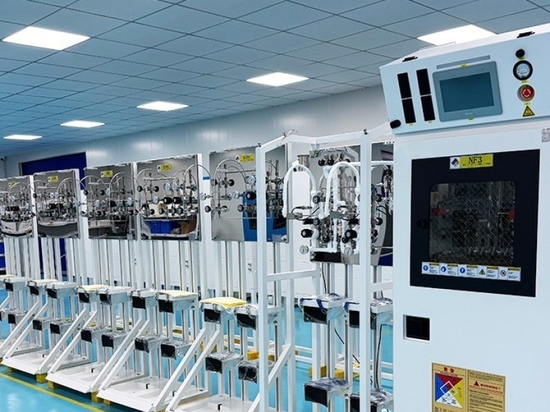
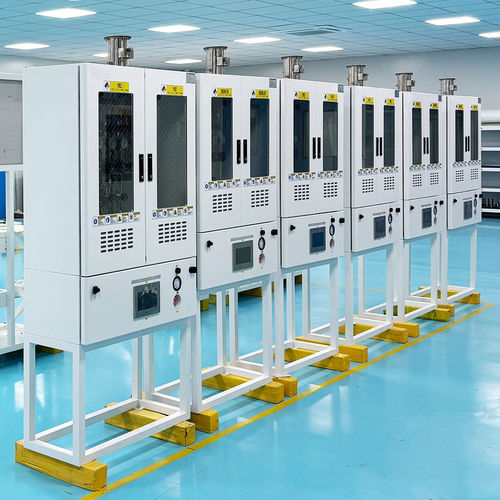
fluid control system manufacturer in china
5. Advanced Features: Purge Assemblies and Relief Valves
For demanding laboratory environments, standard pressure regulators can be upgraded with specialized functional modules:
Cross-Purge Assemblies: When changing cylinders of reactive, toxic, or ultra-pure gases, ambient air and moisture inevitably enter the regulator inlet connection. A purge valve assembly allows you to flush the inlet tract with an inert gas (like nitrogen or argon) before opening a new cylinder, protecting the gas stream from contamination and preventing corrosive acid formation.
Integrated Relief Valves: While regulators are designed to control pressure, component failure can cause downstream over-pressurization. An integral relief valve or burst disc safeguards downstream glassware, columns, and detectors from destructive pressure spikes.
For more about how do you select the right pressure regulator for a laboratory gas distribution system, you can pay a visit to Jewellok at https://www.jewellok.com/ for more info.