
#Industry News
Common Faults and Safety Regulations of Laboratory Fume Hood Gas Scrubber Towers
Common Faults and Safety Regulations of Laboratory Fume Hood Gas Scrubber Towers
Introduction
In modern research, analytical, and industrial chemistry laboratories, safety and environmental protection are paramount. Laboratory fume hoods serve as the primary engineering control protecting personnel from hazardous vapors, aerosols, and toxic gases. However, discharging raw chemical exhausts directly into the atmosphere violates environmental regulations and poses significant ecological and public health risks.
To bridge this gap, gas scrubber towers (often referred to as wet scrubbers or acid gas scrubbers) are integrated into laboratory ventilation exhaust networks. These systems neutralize or capture acidic, alkaline, and water-soluble gaseous pollutants before the exhaust air is released. Because scrubber towers operate continuously in aggressive chemical environments, rigorous maintenance, proactive fault identification, and strict adherence to safety regulations are critical to ensure operational continuity, equipment longevity, and regulatory compliance.
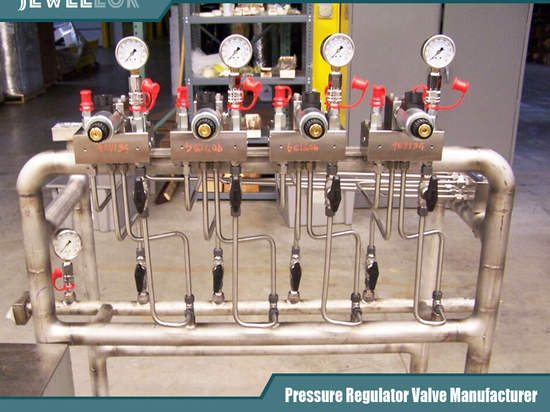
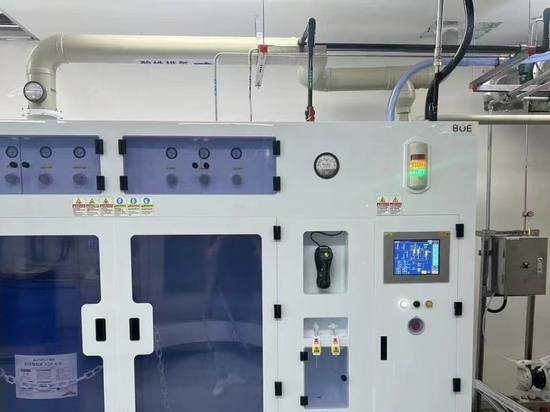
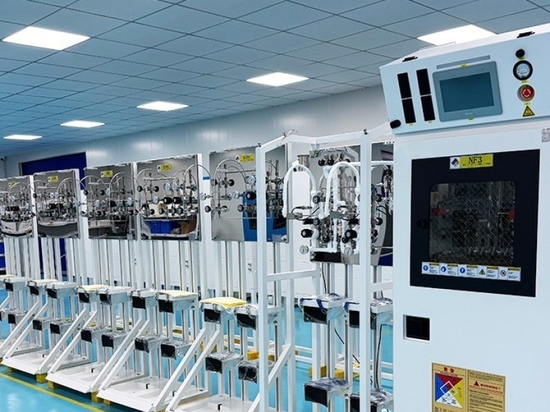
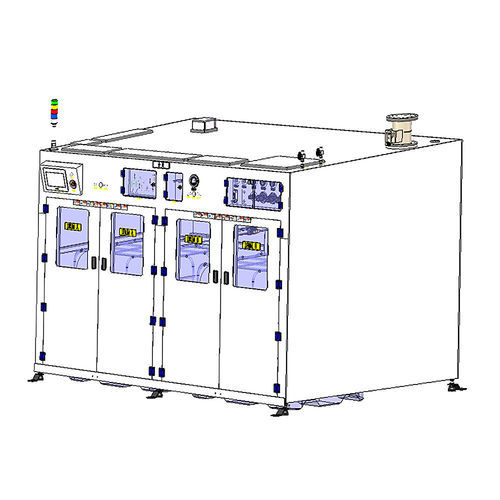
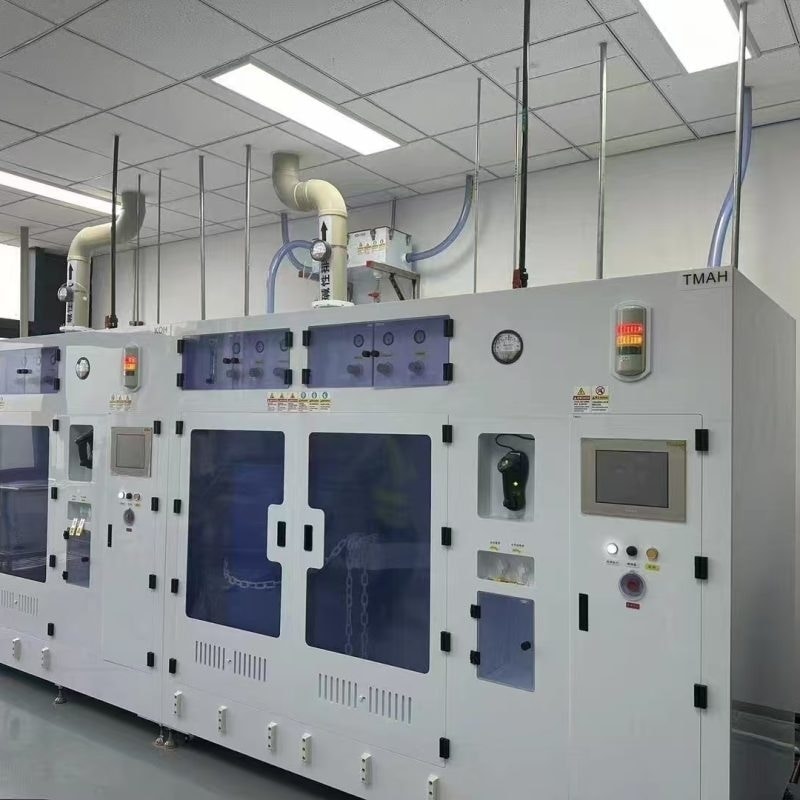
chemical delivery module (CDM) and chemical delivery system (CDS)
1. Operational Principles and System Architecture
Understanding the mechanical and chemical design of a scrubber tower is essential for effective troubleshooting and maintenance. Most laboratory ventilation systems utilize packed bed wet scrubbers.
Core Components
Scrubber Column / Tower Body: Constructed from corrosion-resistant materials such as Polyvinyl Chloride (PVC), Polypropylene (PP), Fiber-Reinforced Plastic (FRP), or stainless steel lined with fluoropolymers.
Packing Media: Random or structured packing (e.g., Pall rings, Berl saddles) made of inert plastic or ceramic. This material maximizes the surface area-to-volume ratio, facilitating intimate gas-liquid contact.
Liquid Distribution System: Spray nozzles located at the top of the tower that atomize or evenly distribute the scrubbing liquid over the packing bed.
Recirculation Tank and Pump: Located at the base of the tower, holding the scrubbing solution (typically water mixed with neutralizing agents like sodium hydroxide ($\text{NaOH}$) for acid scrubbers or sulfuric acid ($\text{H}_2\text{SO}_4$) for basic scrubbers) and pumping it back to the spray headers.
Mist Eliminator (Demister Pad): Positioned above the spray headers to capture and remove entrained liquid droplets from the cleaned gas stream prior to discharge.
Exhaust Blower: Creates negative pressure within the fume hood ductwork, drawing contaminated air upward through the tower in a counter-current flow configuration.
2. Routine Maintenance Protocols
A structured maintenance schedule ensures that the laboratory fume hood gas scrubber tower operates at peak efficiency, preventing catastrophic failures and unplanned downtime. Maintenance activities are generally divided into daily, weekly, monthly, and annual intervals.
Daily Checks and Monitoring
pH Level Monitoring: Continuously monitor or manually test the scrubbing liquid’s pH. For acid neutralization systems, pH must be maintained between 9.0 and 11.0. For basic scrubbers, it should be kept acidic (pH 3.0 to 5.0). Automated chemical dosing systems should be verified daily.
Liquid Flow Rate and Pressure: Check the recirculation pump pressure gauge. A sudden drop in pressure indicates nozzle clogging or pump wear, while high pressure may signal line blockage or scaling.
Sump Level Inspection: Ensure the recirculation tank maintains the correct fluid level to prevent pump cavitation and dry running.
Differential Pressure ($\Delta P$) Across the Tower: Monitor the pressure drop across the packed bed. Baseline differential pressure must be recorded during commissioning; a gradual increase indicates fouling, biological growth, or packing collapse.
Weekly and Monthly Maintenance
Nozzle Inspection and Cleaning: Remove spray nozzles to inspect for mineral scaling, crystallization, or particulate buildup. Clean or replace clogged nozzles to maintain an even spray pattern.
Strainer and Filter Cleaning: Inspect and clean the intake strainers on the recirculation pump suction line to prevent debris from entering the pump impeller.
Chemical Concentration Titration: Perform manual chemical titration of the scrubbing solution to verify automated sensor accuracy (e.g., ORP or pH probes).
Demister Pad Inspection: Check the mist eliminator for salt accumulation or chemical buildup, which can cause increased backpressure and liquid carryover.
Quarterly and Annual Servicing
Packing Bed Inspection: Inspect the internal packing media through access ports. Check for physical degradation, channeling, structural compaction, or heavy chemical scaling. Replace damaged or fouled packing rings as necessary.
Pump and Blower Servicing: Lubricate motor bearings, inspect V-belts on exhaust blowers for tension and wear, and check pump mechanical seals for leaks.
Sensor Calibration: Calibrate pH, ORP, level sensors, and flow meters against certified reference standards.
Internal Vessel Cleaning: Drain, flush, and clean the recirculation sump to remove accumulated sludge, biological slime, and chemical precipitates.
3. Comprehensive Troubleshooting Guide for Common Faults
Even with rigorous maintenance, laboratory scrubber towers can experience operational anomalies. The table and sections below outline common faults, their root causes, and corrective actions.
Fault Symptom Probable Root Cause Corrective Action
High Differential Pressure ($\Delta P$)
1. Clogged packing media due to salt precipitation or particulate buildup.
2. Fouled mist eliminator.
3. Flooding in the tower column due to excessive liquid flow or blocked drainage.
1. Flush the system with clean water or an appropriate cleaning agent; inspect and clean/replace packing.
2. Wash and descale the demister pad.
3. Adjust liquid flow rate and verify sump drain clearance.
Poor Scrubbing Efficiency / High Stack Emissions
1. Incorrect scrubbing liquid pH or exhausted neutralizing agent.
2. Channeling of liquid through the packed bed.
3. Inadequate gas-liquid contact due to clogged spray nozzles.
1. Replenish neutralizing chemicals and recalibrate dosing pump.
2. Level and redistribute packing media.
3. Clean spray nozzles to restore uniform spray distribution.
Pump Cavitation / Low Liquid Flow
1. Clogged suction strainer.
2. Low liquid level in the recirculation sump.
3. Worn pump impeller or air leak in suction line.
1. Clean the pump suction strainer.
2. Top up the sump with makeup water.
3. Inspect impeller and seal; bleed trapped air.
Liquid Carryover (Droplets in Exhaust Stack)
1. Damaged or missing mist eliminator.
2. Excessive gas velocity through the tower.
3. Excessive liquid spray rate.
1. Replace or properly seat the demister pad.
2. Adjust exhaust fan airflow rate.
3. Reduce spray header pressure/flow.
Deep-Dive: Addressing Chemical Scaling and Precipitation
In laboratories handling high volumes of hydrochloric acid ($\text{HCl}$) neutralized with sodium hydroxide ($\text{NaOH}$), sodium chloride ($\text{NaCl}$) crystals can precipitate out of solution if concentrations become too high. When salt crystals bridge the gaps in the packing media, differential pressure spikes, reducing fume hood face velocities.
Remediation: Implement a continuous blowdown system (bleeding a small percentage of spent liquor and replacing it with fresh water) to control total dissolved solids (TDS), and conduct periodic acid or water washes.
4. Safety Regulations, Compliance, and Hazard Mitigation
Maintaining and repairing scrubber towers involves severe occupational hazards, including exposure to concentrated acids, bases, toxic reaction byproducts, and confined space entries. Personnel must adhere strictly to environmental health and safety (EHS) regulations.
Personal Protective Equipment (PPE)
Maintenance personnel working on or near scrubber towers must wear appropriate PPE commensurate with the hazards present:
Chemical Splash Protection: Acid-resistant PVC or neoprene aprons, heavy-duty chemical gloves, and face shields combined with chemical splash goggles.
Respiratory Protection: Half-mask or full-face respirators equipped with multi-gas/vapor cartridges and particulate filters if volatile residues or aerosolized chemicals are present.
Footwear: Steel-toe, chemical-resistant rubber boots.
Lockout/Tagout (LOTO) and Energy Isolation
Before performing any internal inspection, mechanical repair, or electrical servicing on the scrubber tower, pumps, or exhaust blowers:
Electrical LOTO: Disconnect and lock out all power sources to the exhaust blowers, recirculation pumps, and automated chemical dosing pumps.
Chemical LOTO / Valve Isolation: Close isolation valves on chemical feed lines. Depressurize chemical delivery piping to prevent accidental chemical injection.
System Purge: Flush the tower and piping network thoroughly with clean water to purge residual hazardous acids, bases, or toxic vapors before opening inspection hatches.
Environmental Compliance and Waste Management
Spent Liquor Disposal: Scrubbing wastewater often contains heavy metals, high salt loads, and neutralized chemical salts. Spent liquid must never be discharged directly into sanitary sewers or stormwater drains without testing and compliance with local environmental discharge limits. Route spent liquor to licensed hazardous waste neutralization or industrial wastewater treatment systems.
Air Emissions Monitoring: Regular stack testing and continuous emission monitoring (CEM) ensure that scrubbers maintain removal efficiencies required by environmental protection agencies (e.g., EPA, OSHA, or regional equivalents).
Emergency Response Procedures
Chemical Leaks or Spills: In the event of a chemical feed line rupture or tank overflow, activate emergency eyewash/shower stations immediately if personnel are exposed. Deploy neutralizing spill kits (absorbent pads, neutralizing powders for acids/bases) and evacuate the immediate area if toxic gas release occurs.
Power Failure Protocols: Automated emergency dampers and backup power supplies should be tested regularly to ensure safe shutdown or continuous operation of ventilation safety interlocks during power outages.
chemical delivery module (CDM) and chemical delivery system (CDS)
Conclusion
The laboratory fume hood gas scrubber tower is a critical line of defense safeguarding both laboratory personnel and the surrounding environment. Its reliable operation depends not only on robust initial engineering but also on a disciplined commitment to routine maintenance, meticulous troubleshooting of pressure and chemical anomalies, and strict adherence to safety and environmental regulations. By implementing rigorous daily monitoring, proactive cleaning cycles, and comprehensive safety protocols, laboratories can ensure uninterrupted compliance, extended equipment life, and a secure working environment.
For more about routine maintenance, common faults and safety regulations of laboratory fume hood gas scrubber tower, you can pay a visit to Jewellok at https://www.jewellok.com/ for more info.