
#Industry News
How to Solve the Problem of Laboratory Scrubber Tower Failure to Meet Emission Limits?
How to Solve the Problem of Laboratory Scrubber Tower Failure to Meet Emission Limits?
In modern research, analytical, and industrial chemistry facilities, environmental protection and occupational safety rely heavily on specialized air pollution control devices. Among these, the laboratory scrubber tower—most commonly configured as a packed-bed wet scrubber—serves as the primary line of defense against the release of toxic, corrosive, and hazardous gases.
When a scrubber tower experiences chemical breakthrough (the exhaustion of scrubbing liquor or loss of neutralizing capacity) or fails emission limits (detected via continuous emission monitoring systems [CEMS] or routine stack testing), it represents a critical operational failure. Immediate, systematic troubleshooting is required to protect personnel, prevent environmental contamination, and restore regulatory compliance.
1. Anatomy of a Laboratory Scrubber Failure
To troubleshoot effectively, technicians must understand how a wet scrubber tower operates. Typically, acidic or alkaline exhaust streams from fume hoods enter the base of the tower and flow upward. Simultaneously, scrubbing liquid (e.g., sodium hydroxide for acid gases, or dilute sulfuric acid for alkaline vapors) is pumped to spray nozzles at the top, cascading down through structured or random packing media (such as Pall rings or saddles) to maximize gas-liquid contact.
When emission limits are breached or chemical breakthrough occurs, the root cause generally falls into one of four categories:
Chemical Depletion: The active neutralizing agent in the recirculation tank has been fully consumed.
Hydraulic/Mass Transfer Failure: Insufficient liquid flow, nozzle clogging, or gas channeling through the packing bed prevents proper absorption.
Mechanical Malfunction: Pump failure, valve stiction, blower degradation, or instrumentation drift.
Process Overloading: Inlet pollutant loading exceeds the design capacity of the scrubber due to unexpected chemical reactions or simultaneous fume hood usage.
2. Immediate Emergency Response and Safety Protocols
Before opening access ports, inspecting internal components, or adjusting chemical feeds, technicians must execute strict safety procedures:
Assess Immediate Risk: Determine the nature of the breakthrough gas (e.g., chlorine, hydrogen chloride, sulfur dioxide, ammonia). Verify whether gas detectors in the laboratory or exhaust plenum are triggering alarms.
Isolate Source Operations: If feasible, temporarily halt high-emission laboratory processes or close sashes on fume hoods venting into the failing scrubber until containment is restored.
Personal Protective Equipment (PPE): Maintenance personnel must don appropriate PPE based on the scrubber’s chemical inventory, typically including acid/base-resistant suits, full-face respirators or SCBA, chemical splash goggles, and heavy-duty nitrile or neoprene gloves.
Verify Emergency Shutdowns: Ensure that interlocking safety systems function correctly and that secondary backup scrubbers (if installed in series) are actively online.
3. Step-by-Step Systematic Diagnostic Workflow
When troubleshooting a chemical breakthrough or emission spike, follow a rigorous, step-by-step diagnostic sequence to identify and resolve the underlying failure.
Step 1: Verify Reagent Chemistry, Concentration, and pH
The most frequent cause of chemical breakthrough is the exhaustion of the scrubbing solution.
Check On-Line Sensors: Inspect the pH or Oxidation-Reduction Potential (ORP) probes mounted on the recirculation tank. A sudden drift out of the target operating window (e.g., pH dropping below 9.0 for an acid scrubber, or rising above 3.0 for a caustic scrubber) signals reagent depletion.
Perform Manual Titration: Do not rely solely on automated sensors, which can foul or drift. Draw a grab sample from the recirculation tank and perform a manual acid-base titration to verify actual active normality.
Inspect Chemical Dosing Systems: Check chemical metering pumps, check valves, and supply carboys. Ensure that concentrated neutralizing agents (e.g., 50% NaOH) are actually being drawn into the tank upon demand rather than experiencing vapor lock or suction line blockages.
Step 2: Inspect Recirculation Pump and Liquid Flow Rate
Even with correct chemical concentrations, inadequate liquid volume will cause mass transfer failure.
Monitor Flow Meters: Check the rotameter or magnetic flow meter on the liquid recirculation line. Compare current flow rates against the manufacturer’s design specifications.
Check Pump Operation: Listen for cavitation, check motor temperature, and verify discharge pressure. A worn pump impeller or partially clogged strainer can drastically reduce liquid circulation.
Evaluate Blowdown and Makeup Water: Ensure that the blowdown rate is properly adjusted to prevent excessive salt accumulation (which can precipitate and foul packing), and verify that fresh makeup water is flowing continuously.
Step 3: Check for Packing Bed Channeling, Fouling, or Scaling
If chemistry and flow rates are normal, the physical interaction between gas and liquid inside the tower may be compromised.
Channeling: Over time, packing media can shift or settle, creating preferential pathways where gas bypasses the scrubbing liquid without adequate contact.
Scaling and Biological Growth: Hard water mineral deposits, reaction byproducts (such as sodium salts), or biological slime can coat packing rings. This increases pressure drop across the bed and reduces effective surface area.
Inspection: Utilize inspection ports (manways) to visually inspect the top and intermediate layers of the packing bed. Look for dry spots, channeling, or physical deformation of plastic/ceramic packing elements.
Step 4: Evaluate Mist Eliminator Integrity and Pressure Drop
Carrying unwashed liquid droplets out through the exhaust stack (entrainment) can cause environmental compliance failures even if gas absorption is occurring.
Mist Eliminator (Demister) Pad: Inspect the chevron or mesh pad located near the top of the tower above the spray headers. If plugged with salts or debris, it will cause high static pressure and liquid accumulation.
Differential Pressure Monitoring: Measure the pressure drop across the entire tower (inlet to outlet). An abnormally high pressure drop indicates packing or demister fouling, while an abnormally low pressure drop suggests channeling or a bypassed bed.
Step 5: Review Blower Performance and Gas Velocity
Improper gas residence time within the tower will prevent complete chemical neutralization.
Verify Fan Speed and Dampers: Ensure exhaust blowers are operating at nominal RPM and that balancing dampers have not slipped from their calibrated positions.
Residence Time Check: If laboratory expansion has increased total air volume, the increased face velocity may reduce the gas-liquid contact time below the stoichiometric requirement, leading to immediate breakthrough.
4. Remediation and Corrective Actions
Once the root cause is identified, apply targeted corrective measures:
Dump and Recharge: If the scrubbing liquor is heavily loaded with reaction products and salts, completely drain the recirculation tank, flush the sump, refill with clean water, and charge with fresh chemical reagents.
Clean or Replace Packing Media: Remove fouled packing media, wash with an appropriate cleaning solution (e.g., dilute acid to remove scale, or biocide for biological growth), or replace structurally damaged rings.
Calibrate Instrumentation: Clean and recalibrate pH, ORP, flow, and level sensors quarterly or immediately following an upset condition.
Optimize Interlocks: Configure automated alarms and mechanical interlocks to shut down high-hazard fume hood experiments automatically if recirculation flow drops below critical thresholds or if pH strays outside safe operating bands.
5. Regulatory Compliance, Reporting, and Documentation
When an emission limit failure occurs, regulatory compliance obligations become paramount:
Incident Logging: Record the exact timestamp, duration, peak emission levels, meteorological conditions, and probable root cause in the facility environmental logbook.
Internal Notification: Notify the Environmental Health and Safety (EHS) department and facility engineering leadership immediately.
Regulatory Reporting: Depending on local, state, or federal environmental protection agency (EPA) operating permits, exceedances may require formal deviation reporting within 24 to 72 hours, accompanied by a root cause analysis (RCA) and corrective action plan (CAP).
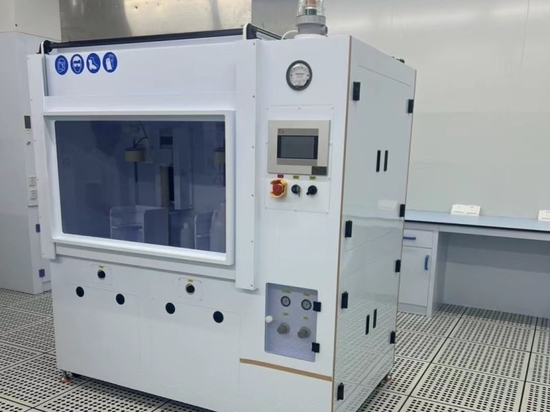
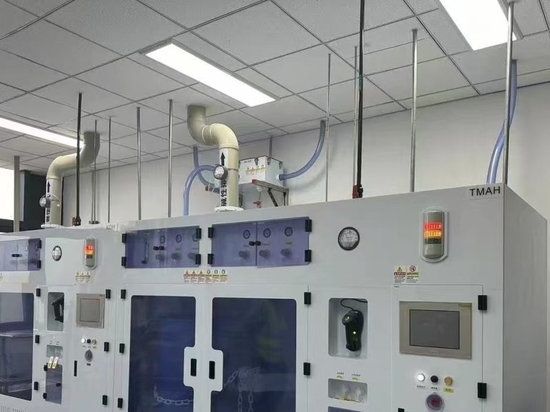
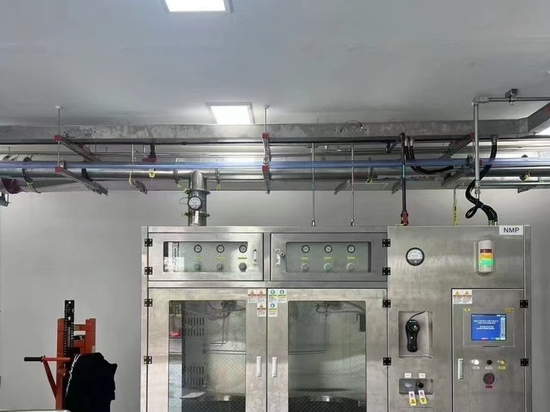
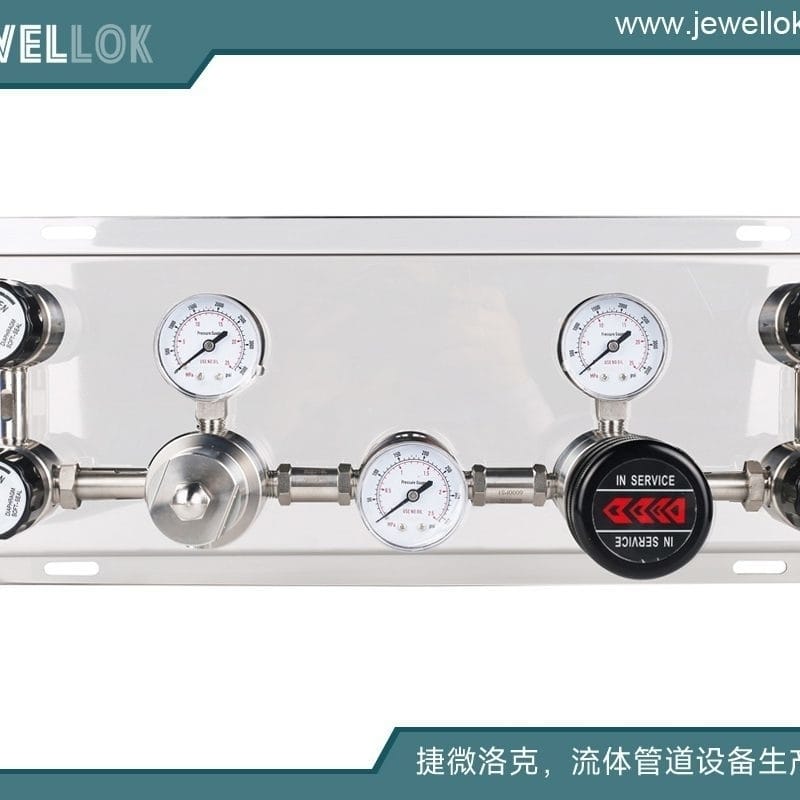
Chemical automatic liquid supply equipment
Conclusion
Managing a laboratory scrubber tower requires vigilant preventive maintenance, robust sensor calibration, and a disciplined response framework. When chemical breakthrough or emission failures occur, reacting with a systematic diagnostic methodology—verifying chemistry, liquid flow, packing integrity, and blower dynamics—ensures that rapid containment is achieved, protecting both laboratory personnel and the surrounding environment.
For more about how to solve the problem of laboratory scrubber tower failure to meet emission limits, you can pay a visit to Jewellok at https://www.specialtygasregulator.com/product-category/specialty-gas-cabinet/ for more info.