
#Industry News
Why Are Gas Cabinets Required for Toxic and Corrosive Laboratory Gases?
Why Are Gas Cabinets Required for Toxic and Corrosive Laboratory Gases?
Introduction
Toxic and corrosive gases are widely used in chemical laboratories, semiconductor manufacturing facilities, pharmaceutical research centers, universities, and industrial testing environments. These gases play important roles in chemical synthesis, material processing, analytical testing, thin-film deposition, etching, and other specialized applications. However, many of them present significant safety risks if they are improperly stored, handled, or distributed.
Unlike ordinary compressed air or inert gases, toxic and corrosive gases can cause serious health hazards, chemical burns, respiratory injuries, equipment corrosion, and environmental contamination. Even a relatively small leak from a gas cylinder, regulator, valve, or pipeline connection may create a dangerous situation, particularly in an enclosed laboratory.
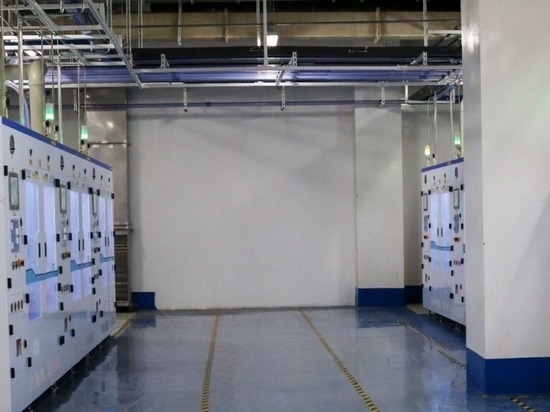
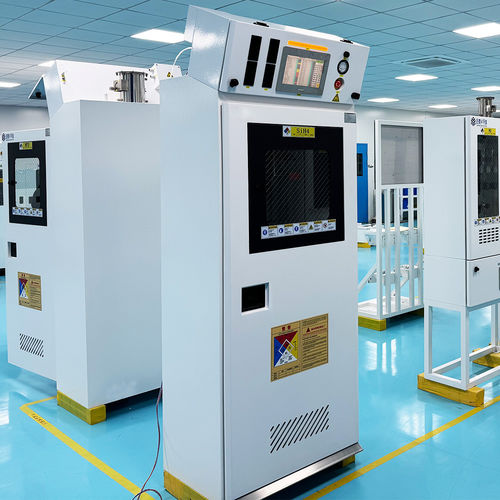
A gas cabinet is an engineered enclosure designed to provide controlled storage, gas delivery, leak containment, ventilation, and monitoring for hazardous gas cylinders. It is an essential component of many laboratory gas supply systems because it helps isolate hazardous gas sources from occupied working areas and provides additional layers of protection against accidental releases.
But why are gas cabinets required for toxic and corrosive laboratory gases? What safety functions do they provide, and how should laboratories select the appropriate cabinet?
This article explains the main reasons gas cabinets are necessary, their key engineering features, relevant safety considerations, and how to choose a suitable gas cabinet for laboratory applications.
specialty gas cylinder fully automatic changeover manifold
1. Understanding the Risks of Toxic and Corrosive Laboratory Gases
Before discussing gas cabinet requirements, it is important to understand the hazards associated with different categories of specialty gases.
1.1 Toxic Gases
Toxic gases can cause serious health effects when inhaled, even at relatively low concentrations. Depending on the substance, exposure may result in respiratory irritation, organ damage, chemical poisoning, or life-threatening injuries.
Common examples include:
Arsine (AsH₃)
Phosphine (PH₃)
Silane (SiH₄), which also presents significant fire and reactivity hazards
Chlorine (Cl₂)
Ammonia (NH₃)
Hydrogen sulfide (H₂S)
The toxicity and exposure limits of these gases vary considerably. Some may cause immediate irritation, while others can produce severe effects without providing adequate warning through smell or other sensory signals.
Storing toxic gas cylinders in an uncontrolled laboratory environment increases the risk of accidental exposure if a valve, regulator, fitting, or cylinder connection fails.
1.2 Corrosive Gases
Corrosive gases can chemically attack metals, polymers, seals, and other materials. They may also damage human tissue and cause severe respiratory or eye injuries.
Common corrosive laboratory gases include:
Hydrogen chloride (HCl)
Hydrogen fluoride (HF)
Hydrogen bromide (HBr)
Chlorine (Cl₂)
Ammonia (NH₃), under certain exposure conditions and concentrations
Corrosive gases can damage conventional gas distribution components if unsuitable materials are selected. Corrosion may gradually weaken valves, regulators, pipelines, and connections, increasing the possibility of leakage.
Some gases are both toxic and corrosive, making proper containment and material selection especially important.
1.3 Fire, Explosion, and Chemical Reaction Hazards
Certain specialty gases introduce additional hazards beyond toxicity and corrosion.
For example, silane is pyrophoric and can ignite spontaneously upon exposure to air under certain conditions. Hydrogen is highly flammable, while oxygen can intensify combustion. Some gases may react violently when mixed with incompatible substances.
Therefore, gas cabinet design must consider the complete hazard profile of the gas, including toxicity, corrosivity, flammability, pyrophoricity, and chemical incompatibility.
2. Gas Cabinets Provide Secondary Containment for Hazardous Gases
One of the primary reasons gas cabinets are required for many toxic and corrosive gases is their ability to provide an additional containment barrier.
A compressed gas cylinder is the primary container. However, leaks may occur at cylinder valves, pressure regulators, fittings, flexible connections, or other components of the gas delivery system.
A properly designed gas cabinet provides a ventilated enclosure around the cylinder and associated gas-handling equipment.
If a leak occurs inside the cabinet, the enclosure helps prevent the immediate uncontrolled dispersion of gas into the surrounding laboratory.
The cabinet is generally connected to a dedicated exhaust ventilation system that captures and removes contaminated air for appropriate treatment or safe discharge.
This arrangement provides several important benefits:
Reduces the possibility of hazardous gas escaping directly into occupied areas.
Creates a controlled location for gas cylinders and connections.
Helps direct leaked gas toward an engineered exhaust system.
Supports the integration of gas detection and automatic isolation systems.
Provides an additional physical barrier between hazardous gas sources and personnel.
However, a gas cabinet should not be considered a completely sealed pressure vessel. Its protective function depends on properly designed ventilation, compatible construction materials, effective exhaust connections, and suitable safety controls.
3. Continuous Exhaust Ventilation Helps Control Gas Leakage
Continuous mechanical exhaust ventilation is one of the most important safety features of a toxic or corrosive gas cabinet.
The ventilation system maintains airflow into the cabinet and helps prevent contaminated air from escaping into the laboratory under normal operating conditions.
3.1 Maintaining Negative Pressure
A properly designed gas cabinet generally operates under negative pressure relative to the surrounding room.
This means that air flows inward through designated openings rather than allowing potentially contaminated air to flow outward.
If a leak occurs, the exhaust system helps capture the released gas and transport it to a suitable treatment or discharge system.
The required airflow and pressure conditions should be determined through engineering design and applicable codes.
3.2 Dedicated Exhaust Systems
Toxic and corrosive gases may require dedicated exhaust arrangements depending on their chemical properties and compatibility.
For example, exhaust streams containing acidic gases may require wet chemical scrubbing, while other gases may require specialized adsorption, oxidation, or alternative treatment technologies.
The exhaust treatment system must be selected according to the gas composition, concentration, reaction characteristics, and potential byproducts.
Combining incompatible exhaust streams without a proper engineering assessment can create additional hazards.
3.3 Exhaust Monitoring
Airflow monitoring devices and pressure sensors can help verify that the cabinet ventilation system is functioning correctly.
If airflow falls below the required operating range, an alarm can notify operators and activate appropriate protective measures.
The cabinet should not continue dispensing hazardous gas when a critical ventilation failure occurs unless an approved safety design specifically permits the operating condition.
4. Gas Detection and Automatic Safety Interlocks
Another important reason for using gas cabinets is the ability to integrate gas detection, alarm systems, and automatic isolation functions.
These systems help identify abnormal conditions before a small leak develops into a more serious incident.
4.1 Gas Leak Detection
Gas detectors should be selected according to the target gas and expected operating conditions.
Different gases require different detection technologies. For example, electrochemical sensors are commonly used for certain toxic gases, while other gases may require semiconductor, infrared, or specialized detection technologies.
Detector placement should consider gas density, ventilation patterns, possible leak locations, and manufacturer recommendations.
A detector should be suitable for the expected concentration range and provide reliable alarm performance.
4.2 Audible and Visual Alarms
Gas cabinets may include audible and visual alarms to warn operators of abnormal conditions.
Typical alarm conditions include:
Detection of hazardous gas leakage.
Loss of exhaust ventilation.
Abnormal cabinet pressure.
Failure of critical sensors.
Unexpected pressure or gas supply conditions.
Alarm settings should be established through the facility’s hazard assessment and applicable safety requirements.
4.3 Automatic Gas Shutoff
An automatic shutoff system can isolate the gas supply when a dangerous condition is detected.
Depending on the cabinet design, the system may include pneumatic or electrically actuated valves, emergency stop controls, and interlocks connected to the facility’s gas monitoring system.
For example, if a toxic gas detector identifies a leak, the control system may activate an alarm and close the appropriate automatic isolation valve.
The exact sequence depends on the gas properties, process requirements, and approved safety design.
Automatic isolation is particularly important for toxic, corrosive, pyrophoric, and other high-hazard gases because it can reduce the amount of gas released during an incident.
5. Gas Cabinets Protect Personnel and Laboratory Equipment
Gas cabinets do more than contain cylinders. They also help reduce the risk of injury and equipment damage.
5.1 Reducing Personnel Exposure
Laboratory personnel may work close to gas supply equipment during experiments, maintenance, or cylinder replacement.
Without suitable containment, a leak could expose workers before they have enough time to recognize the problem and respond.
Gas cabinets provide a controlled enclosure that helps separate hazardous gas sources from normal laboratory activities.
They should be used together with appropriate gas detection, ventilation, emergency procedures, training, and personal protective equipment.
5.2 Preventing Corrosion of Laboratory Equipment
Corrosive gases can damage nearby electrical equipment, instruments, metal structures, and laboratory furniture.
Even small repeated leaks may gradually cause corrosion and increase maintenance expenses.
By containing gas cylinders and connections within a ventilated enclosure, a gas cabinet helps reduce the possibility of corrosive gases spreading throughout the laboratory.
5.3 Improving Operational Safety
Centralizing hazardous gas cylinders, regulators, valves, and monitoring devices within a designated enclosure makes the gas supply system easier to inspect and manage.
It also helps maintenance personnel identify gas connections, isolation points, and control components more clearly.
A properly organized gas cabinet can therefore improve both safety management and maintenance efficiency.
6. Material Selection Is Critical for Corrosive Gas Cabinets
The materials used to manufacture a gas cabinet must be suitable for the intended gas and operating environment.
Material compatibility is especially important when handling corrosive gases because unsuitable materials may deteriorate, leading to leakage or premature equipment failure.
6.1 Cabinet Construction Materials
Gas cabinet structures may use coated carbon steel, stainless steel, or other suitable materials, depending on the application.
The selection should consider:
Corrosive gas properties.
Potential exposure to leaked gas.
Humidity and temperature.
Mechanical strength.
Fire protection requirements.
Cleaning and maintenance conditions.
A material suitable for one corrosive gas may not be suitable for another. Compatibility must be verified for the actual chemical and expected exposure conditions.
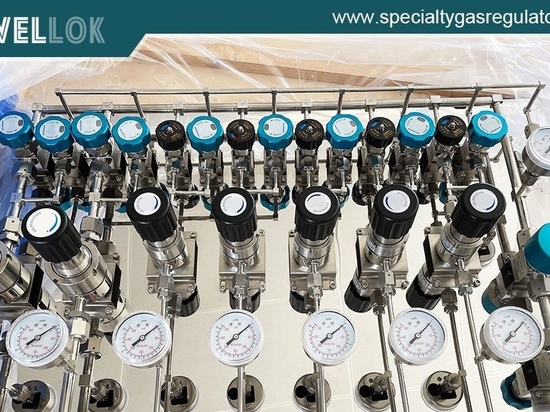
6.2 Gas Delivery Components
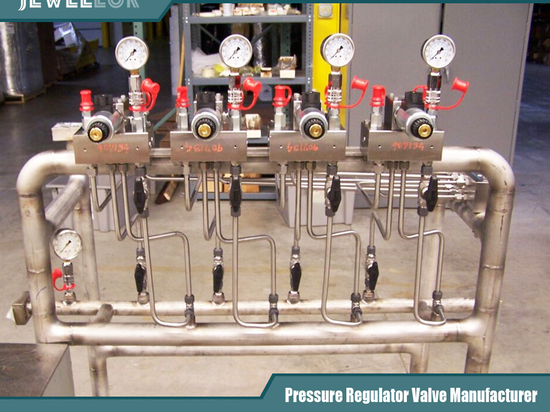
The internal gas delivery system may include:
Pressure regulators.
Diaphragm valves.
Ball valves.
Pressure gauges and transducers.
Gas filters.
Tubing and fittings.
Automatic shutoff valves.
Purge assemblies.
For high-purity or corrosive gas applications, 316L stainless steel and specialized surface-finished components are commonly considered. However, 316L stainless steel is not universally resistant to every corrosive gas.
The regulator diaphragm, valve seats, seals, tubing, and fittings must all be evaluated for chemical compatibility, purity requirements, pressure rating, and service conditions.
For semiconductor and other high-purity applications, electropolished stainless steel components and appropriate UHP fittings may also be required.
6.3 Corrosion-Resistant Exhaust Components
The exhaust duct, cabinet interior, and associated treatment equipment must withstand potential exposure to the target gas and any reaction products.
Depending on the application, materials such as polypropylene (PP), PVC, FRP, or specialized alloys may be considered.
The final choice should be based on temperature, concentration, chemical compatibility, mechanical requirements, and relevant engineering standards.
7. Gas Cabinets Support Regulatory Compliance and Safety Standards
The use of gas cabinets for hazardous gases is also closely connected to occupational safety, fire protection, and environmental requirements.
Depending on the jurisdiction and application, relevant requirements may include:
International Fire Code (IFC).
NFPA 55, Compressed Gases and Cryogenic Fluids Code.
Occupational Safety and Health Administration (OSHA) requirements in the United States.
Semiconductor-related facility safety standards.
Local fire department and building authority requirements.
Environmental permits and exhaust treatment requirements.
For example, the International Fire Code and NFPA 55 contain provisions addressing compressed gases, hazardous materials, storage, ventilation, and associated safety controls.
However, the exact gas cabinet requirements depend on the gas classification, cylinder quantity, gas volume, facility occupancy, installation configuration, and local adopted code editions.
Not every laboratory gas has identical cabinet requirements. Some gases may require specialized gas cabinets, exhausted enclosures, gas detection, automatic isolation, or additional engineering controls.
Laboratory designers should consult qualified fire protection engineers, industrial hygienists, gas system specialists, and local authorities having jurisdiction before finalizing an installation.
8. How to Select the Right Gas Cabinet for Toxic and Corrosive Gases
Choosing a suitable gas cabinet requires more than checking its external dimensions or cylinder capacity.
The cabinet should be designed around the specific gas hazard, cylinder configuration, gas delivery requirements, and facility safety system.
8.1 Identify the Gas Classification
Determine whether the gas is toxic, corrosive, flammable, oxidizing, pyrophoric, or classified in multiple hazard categories.
The classification will influence the required cabinet construction, ventilation, detection, and automatic shutdown functions.
8.2 Determine Cylinder Capacity and Configuration
Consider the number and size of cylinders, maximum operating pressure, and whether the cabinet requires a single-cylinder or multi-cylinder configuration.
The internal layout should allow safe cylinder securing, regulator installation, valve operation, and maintenance access.
8.3 Evaluate the Gas Delivery System
Check whether the application requires:
Single-stage or dual-stage pressure regulation.
Manual or automatic cylinder changeover.
Automatic shutoff valves.
Gas purging systems.
Pressure and flow monitoring.
High-purity diaphragm valves.
Integrated control panels.
The gas delivery system must meet the process requirements while maintaining appropriate safety controls.
8.4 Verify Ventilation and Exhaust Compatibility
Confirm that the cabinet can connect to an appropriately designed exhaust system.
The ventilation capacity should be determined by the applicable standards, cabinet design, and engineering calculations.
If the exhaust contains toxic or corrosive gases, determine whether a dedicated gas scrubber or other treatment equipment is necessary.
8.5 Consider Monitoring and Automation
For high-hazard gas applications, integrated gas detectors, pressure monitoring, airflow monitoring, alarms, and automatic isolation may be required.
A centralized control system can help operators monitor cabinet conditions and coordinate safety responses.
8.6 Confirm Manufacturer Qualifications
Before purchasing, request technical documentation, including:
Cabinet drawings and dimensions.
Material specifications.
Gas compatibility information.
Ventilation requirements.
Gas delivery system specifications.
Electrical and control diagrams.
Safety interlock descriptions.
Testing and inspection records.
A qualified manufacturer should be able to explain how the cabinet is designed for the intended gas and applicable safety requirements.
9. Common Applications of Toxic and Corrosive Gas Cabinets
Gas cabinets are widely used in industries where hazardous compressed gases are required.
Semiconductor manufacturing: Used for gases involved in chemical vapor deposition, etching, diffusion, and other wafer-processing operations.
Chemical laboratories: Used to store and distribute toxic and corrosive gases for chemical synthesis, analytical testing, and research.
Pharmaceutical facilities: Used in specialized chemical processing and laboratory applications that require controlled gas delivery.
Universities and research institutions: Used to support experiments involving hazardous specialty gases while reducing exposure risks.
Industrial testing laboratories: Used for calibration, material testing, and other applications requiring controlled gas supplies.
In these environments, gas cabinets are frequently integrated with centralized gas delivery systems, exhaust ventilation, gas detection systems, and chemical scrubbers.
This integrated approach provides multiple layers of protection rather than relying on a single piece of equipment.
high pressure specialty gas regulators manufacturers
Conclusion
Gas cabinets are an important engineering safety measure for laboratories handling toxic and corrosive gases. They provide secondary containment, controlled exhaust ventilation, gas leak monitoring, automatic isolation, and organized gas delivery.
By isolating hazardous cylinders and connections from occupied laboratory areas, gas cabinets help reduce personnel exposure, prevent corrosive contamination, and improve the reliability of laboratory gas supply systems.
However, a gas cabinet alone cannot eliminate every hazard. Effective protection requires appropriate material selection, compatible regulators and valves, correctly designed exhaust ventilation, reliable gas detection, suitable automatic shutdown functions, and regular maintenance.
When selecting a gas cabinet, laboratory operators should evaluate gas classification, cylinder capacity, pressure requirements, ventilation performance, control functions, material compatibility, and applicable safety standards.
For chemical laboratories, semiconductor facilities, pharmaceutical research centers, and other industrial applications, a properly engineered gas cabinet is a critical component of a comprehensive hazardous gas management system. It helps create a safer working environment while supporting reliable gas distribution and long-term operational efficiency.
For more about why are gas cabinets required for toxic and corrosive laboratory gases, you can pay a visit to Jewellok at https://www.specialtygasregulator.com/product-category/specialty-gas-cabinet/ for more info.