#Industry News
How Oscillating Knife Technology is Transforming Global Textile Manufacturing
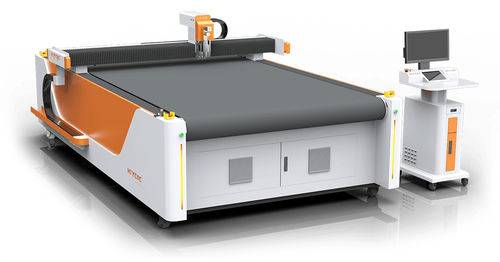
Digital Fabric Cutting Machine
The global textile industry, valued at more than $1.5 trillion, is undergoing a seismic shift driven by the need for automation and sustainability. At the heart of this transformation are Digital Fabric Cutting Machine equipped with oscillating knife technology, which are redefining the precision, efficiency and scalability of textile production. This article explores seven disruptive benefits of these machines, combined with recent purchasing trends and practical recommendations for manufacturers.
Why digital cutting machines are a strategic imperative
The global textile industry faces increasing pressure to reduce waste, accelerate time to market and meet complex design requirements. Traditional manual or die-based cutting methods have struggled to keep up, resulting in 15% to 20% material waste and inconsistent quality. In contrast, Red Sun CNC (www.redsuncutter.com) digital fabric cutting machines use oscillating knife technology to achieve unparalleled precision with tolerances as low as ±0.1 mm while reducing waste by up to 30%.
6 revolutionary benefits of oscillating knife technology
1. Unparalleled precision for complex designs
Precision fabric cutting solutions for complex patterns.Oscillating knife systems excel at handling delicate materials such as silk, technical textiles and multi-layer composites. Digital Fabric Cutting Machines AI-driven blade control dynamically adjusts cutting speed and pressure to ensure perfect rendering of complex geometries - essential for high-end fashion, automotive interiors and medical textiles.
2. Improve efficiency through automated workflows
Automated textile production equipment to increase output.Digital cutting machines reduce production cycles by 50-70% through seamless integration with CAD/CAM software and ERP systems. A case study of Chongqing Fajima showed that the use of such systems can reduce order fulfillment time from 14 days to just 5 days, which is in line with the JIT (just-in-time) procurement trend that dominates the Asian market6.
3. Sustainable manufacturing, minimizing waste
Eco-friendly fabric cutting machine, helping sustainable fashion42% of global consumers prioritize eco-friendly brands, so reducing material waste is crucial9. Vibrating knife technology optimizes nesting algorithms, maximizes fabric utilization, and can save mid-sized manufacturers 8-12% in costs per year.
4. Scalability for mass customization
Customizable small batch textile cutting systemThe shift to on-demand production (e.g. "Fast Fashion 2.0") requires flexibility. Digital cutters are able to quickly reconfigure small batch production without stopping the machine - in stark contrast to traditional die-cutting technology.
5. Cost savings by reducing reliance on labor
Labor-saving textile industrial cutting machinesIn regions such as Southeast Asia, labor costs account for 25-35% of textile production costs. Automated cutting systems can reduce human intervention by 90%, allowing workers to focus on higher-value tasks.
6. Improved safety and ergonomics
Safe fabric cutting technology to protect worker safety.Traditional blades pose a risk of injury, while digital fabric cutting machine operate within a closed system and use zero-contact protocols. This complies with the U.S. Occupational Safety and Health Administration (OSHA) and EU workplace safety standards, which is the brand's environmental
The company also reviews key factors for suppliers under the Environmental, Social and Governance (ESG) framework.
Conclusion: The Future of Textile Production
As performance demands continue to rise, digital fabric cutting machines equipped with oscillating knife technology are essential for manufacturers. These systems enable brands to meet changing consumer expectations while maintaining a competitive edge.Welcome to explore www.redsuncutter.com.