
#Industry News
Why Tensile Testing Matters for Quality Control
tensile testing
Materials inevitably undergo stress during production, transportation, and use. Evaluating their mechanical properties under force helps ensure product quality and compliance with international standards.
1. Simulating Real-World Pressures
Tensile testing simulates the mechanical stresses materials may encounter in actual conditions, providing a clear demonstration of their performance under load. This enables manufacturers to assess materials' real-world behavior and prevent failures during transport or use.
2. Evaluating Potential Material Defects and Optimizing Production
By testing properties such as tensile strength, yield strength, and fracture force, material weaknesses become apparent. This enables defect optimization, promotes production structural adjustments, and safeguards product quality and safety.
3. Ensuring Industry Compliance
International standards define material performance benchmarks. Tensile testing verifies material compliance with these standards while providing reliable data support for product conformity.
4. Achieving Production Cost Efficiency
Evaluating materials and detecting defects before mass production prevents adverse outcomes like product failure, packaging defects, and costly recalls. It also minimizes waste from substandard materials, maximizing production efficiency.
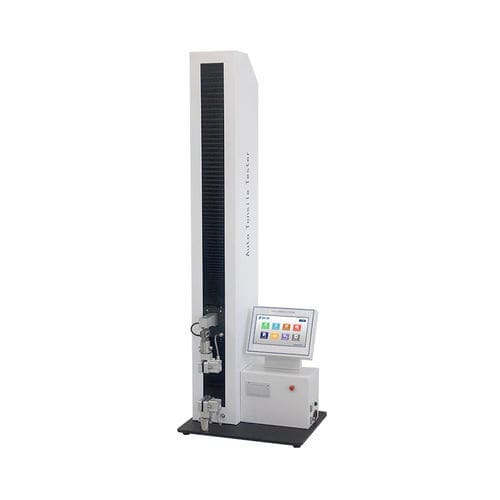
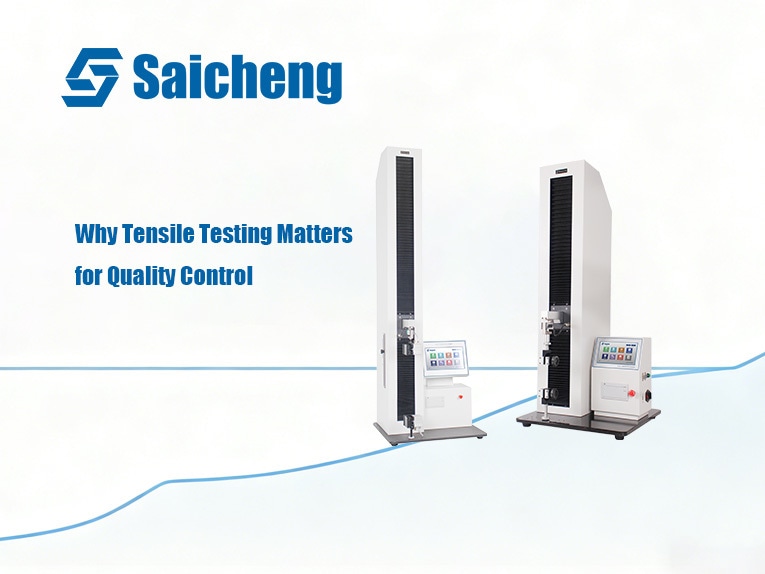
To prevent premature material failure and malfunctions, testing material properties is essential. Ensuring materials perform as intended across diverse applications enhances safety during use. Selecting the appropriate tensile testing machine for your materials is crucial. Saicheng provides professional tensile testing equipment to help you achieve high-quality materials and products, improve consumer experience, and enhance your market presence.