
#Industry News
Industrial Applications of Tensile Testing Machines
Industrial Applications of Tensile Testing Machines
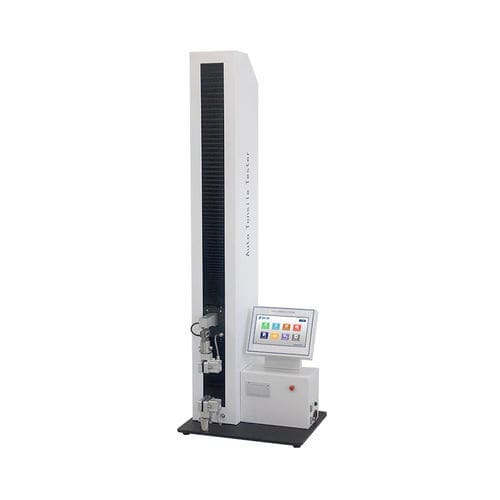
Mechanical properties of materials are critical metrics that numerous industries must evaluate. Only materials meeting expected performance standards can deliver their intended functionality during use. Tensile testing machines serve as essential tools for assessing these properties, providing reliable data support across diverse sectors including packaging, plastics and rubber, metals, construction, and electronics.
1. Packaging Industry
Tests tensile strength, elongation, peel strength, and compression resistance of flexible packaging materials, composite materials, heat-sealed packaging, paper and cardboard, plastic bottles, and similar materials to prevent damage during use.
2. Plastics and Rubber Industry
Evaluates tensile strength, elongation, tear resistance, and impact resistance of plastic films, elastomers, and rubber to ensure materials withstand prolonged use, guaranteeing longevity and safety.
3. Textile Industry
Assesses critical properties like tensile strength, elasticity, and durability to ensure materials like cotton, polyester, and nylon withstand expected stresses without failure.
4. Metal Industry
Metal materials endure significant mechanical loads and stresses during use. Measuring tensile strength and fatigue resistance of steel alloys, aluminum alloys, titanium alloys, copper alloys, and other metals ensures they withstand expected loads and maintain operational safety.
5. Construction Industry
Evaluating yield strength, tensile strength, and elongation of reinforcing bars and geosynthetics ensures durability under heavy loads, thereby safeguarding structural integrity.
6. Automotive Industry
Tests on vehicle frames and components measure tensile strength, fatigue resistance, yield strength, and wear resistance to ensure collision safety and component durability.
The application of tensile testing machines across industries aims to verify material performance, ensuring operational safety and expected functionality. Understanding their specific uses in each sector helps businesses optimize production, meet international standards, and achieve intended outcomes.