#Product Trends
Why Do New Energy Charging Piles Require High-Current Slip Rings?
Why Do New Energy Charging Piles Require High-Current Slip Rings?
Q: Why do charging piles need high-current slip rings?
A:
As the demand for longer driving ranges in new energy vehicles grows, fast-charging technology has become a key industry trend. High-power charging equipment requires greater current transmission capacity and demands that connecting components maintain stable, long-term operation.
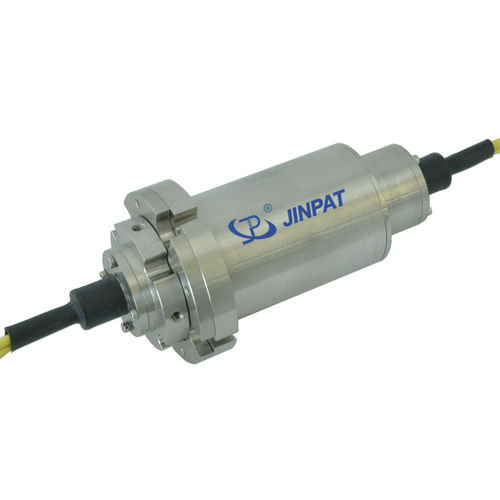
JINPAT high-current slip rings are capable of continuously transmitting high currents during rotary connection, providing a reliable electrical connection solution for new energy charging equipment.
Q: What is the standout feature of JINPAT high-current slip rings?
A:
The product's defining characteristic is the combination of "high current" and a "compact structure."
While meeting high-current transmission requirements, JINPAT optimizes the internal structural design to make the slip ring more compact, facilitating its integration into charging equipment.
This design not only saves installation space but also offers greater flexibility in equipment design.
Q: Can the slip rings withstand rainy conditions for outdoor use?
A:
Yes. JINPAT high-current slip rings are designed for outdoor new energy equipment applications and feature an IP65 protection rating.
The products have been verified through water spray testing:
Spray conditions include:
Nozzle specification: 6.3mm
Water flow rate: (12.5 ± 0.625) L/min
Spray distance: 2.5m–3m
Test duration: 5–10 minutes
They effectively prevent the ingress of external water, thereby enhancing equipment reliability.
Q: What is the function of the temperature control system?
A:
High-current transmission generates heat; the temperature control system enables the monitoring and management of temperature levels, reducing the risk of overheating and making the slip ring suitable for long-term, high-load operation.