#Industry News
Robotics and Rotary Connectivity: Five Questions from a JINPAT Industry Visit
Robotics and Rotary Connectivity: Five Questions from a JINPAT Industry Visit
Why does a robot need a slip ring?
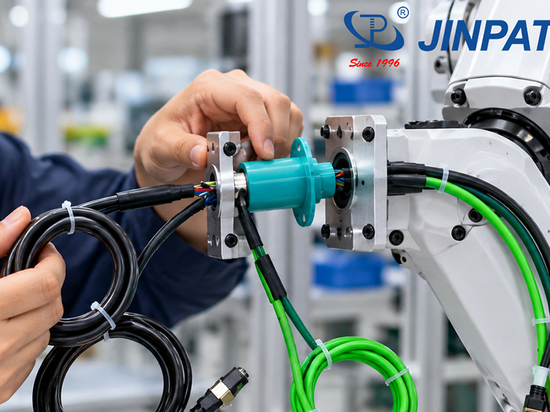
When part of a robot rotates continuously, a slip ring can transfer power and signals without allowing cables to wind up around the axis.
Where might it be installed?
Typical locations include rotating bases, arm joints, end effectors, camera platforms, inspection modules, and automated handling equipment.
What can pass through a slip ring?
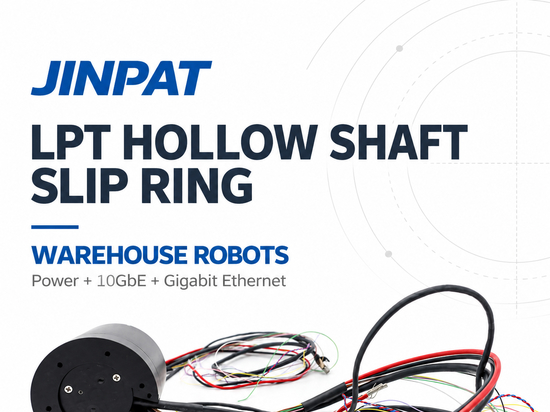
Depending on the design, it may carry power, control signals, sensor inputs, communication signals, and other electrical connections required by the rotating module.
What makes robotics applications challenging?
Robotics commonly combines limited space, demanding motion profiles, sensitive signals, and high expectations for repeatability. These factors must be considered together, not separately.
What did JINPAT take from its recent robotics-company visit?
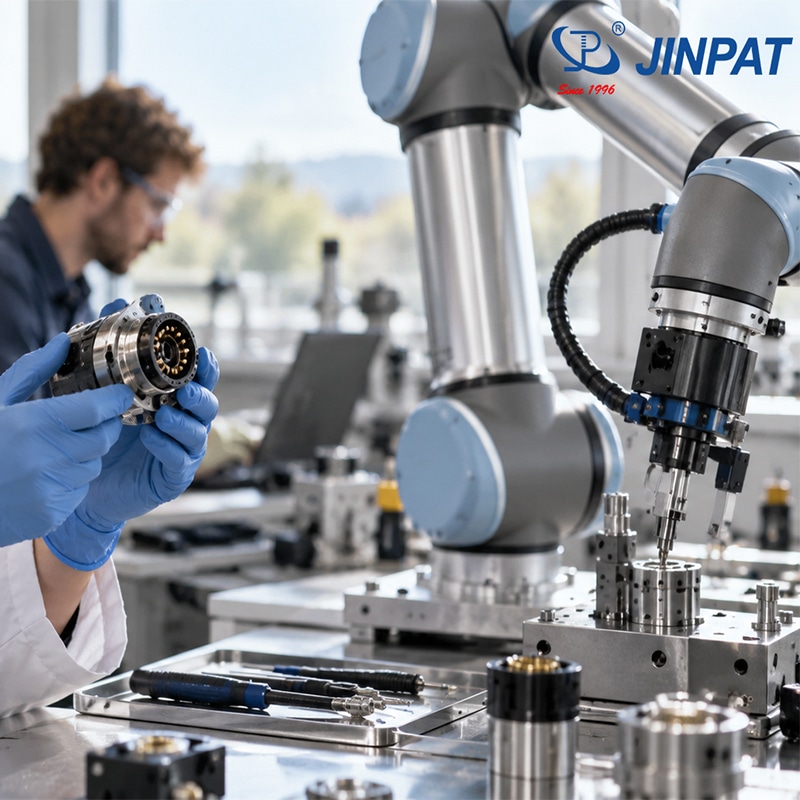
The exchange reinforced the value of understanding the full equipment context. When component design follows the robot’s actual movement, interface needs, and installation constraints, rotary connectivity can become a more natural part of the system.
JINPAT values these technical conversations because they connect component expertise with the realities of robot development. As automation becomes more flexible and intelligent, the demand for reliable rotating interfaces will continue to grow.