#Product Trends
What are the Features of Fire Handset In the Fire system?
The Features of Fire Handset In the Fire system
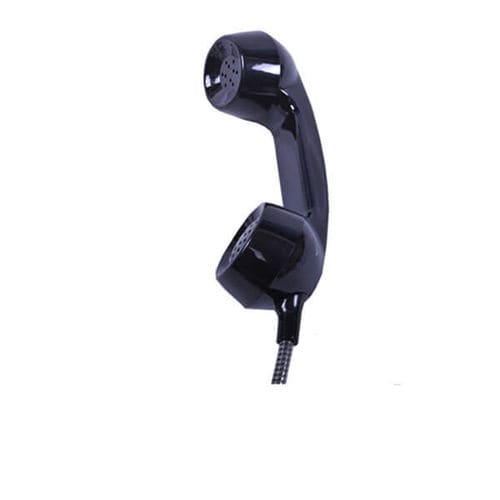
The fire handset, more formally known as a Fire Telephone or Emergency Telephone, is a critical component of a building's fire alarm and communication system. Unlike a regular telephone, its features are specifically engineered for life safety during an emergency.
Here is a detailed exploration of the features of a fire handset, categorized by their purpose.
Primary Purpose and Context
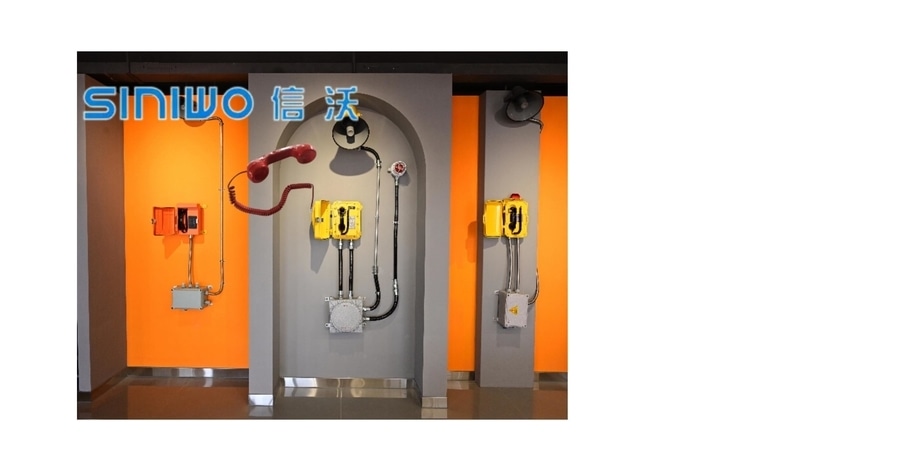
Fire handsets are always part of a Fire Telephone System (or Emergency Voice Communication System). They are typically found in red-colored cabinets or mounted on walls in strategic locations like:
Firefighter lobbies in high-rise buildings
Elevator lobbies on each floor
Stairwells and refuge areas
Areas of high fire risk (e.g., boiler rooms, large auditoriums)
Their main purpose is to provide a direct, prioritized, and clear communication channel between a building's occupants (primarily firefighters and building wardens) and the person in charge at the Fire Command Center (often located in the building's lobby or security office).
Key Physical and Operational Features
1. Direct and Dedicated Line
(1)No Dialing Required: The most crucial feature. When you lift the handset, it automatically connects you to the Fire Command Center. There is no dial tone or number to remember.
(2)Dedicated Circuit: The handset is part of a closed, private circuit that is completely separate from the public telephone network. This ensures it will work even if the building's main phone lines are down.
2. Rugged and Robust Construction
(1) Heavy-Duty Materials: Built to withstand harsh conditions, including heat, moisture, and physical impact. The handset itself is often made of thick, durable plastic or metal.
(2) Weatherproof/Sealed Design: For units installed in stairwells or other harsh environments, they are often gasketed and sealed to be weatherproof and dust-resistant.
3. Hands-Free / Speakerphone Operation
(1)"Press to Talk" Button: Many modern fire phones feature a "Press to Talk" (PTT) button on the handset. This allows for hands-free operation, which is essential if the user needs to refer to notes or use both hands while communicating.
(2)Full Duplex vs. Half Duplex:
(3)Half Duplex: Older systems often use half-duplex (like a walkie-talkie), where only one person can talk at a time (you press to talk, release to listen).
(4)Full Duplex: Newer, more advanced systems offer full-duplex communication (like a regular phone), allowing for natural, simultaneous conversation.
4. Call Indication and Status
Visual and Audible Signals: The phone or its housing will have a light (often a red or flashing LED) and may emit a tone to indicate an incoming call from the Command Center.
(1)"Call In Progress" Light: A light on the phone will illuminate to show that the line is active and in use.
5. Simple, Intuitive Design
(1)Minimalist Interface: The phone typically has no keypad or a very simple one (sometimes just a single "Call Cancel" or "Reset" button). This eliminates confusion during a high-stress emergency.
(2)Prominent Labeling: It is always clearly labeled "FIRE TELEPHONE" or "EMERGENCY TELEPHONE" in bold lettering.
System-Level and Advanced Features
6. Prioritized Calling
(1)The Fire Command Center can "break in" on any ongoing conversation to broadcast a critical message to all handsets simultaneously.
(2)The system can prioritize calls, ensuring that a call from a firefighter in a hot zone takes precedence over other calls.
7. Zone and Location Identification
(1)Automatic Location Identification (ALI): This is a critical feature. When a handset is picked up, the Fire Command Center's control panel automatically displays the exact location of that handset (e.g., "8th Floor Northwest Stairwell"). This saves vital time, as the user does not need to verbally report their location.
8. Integration with Fire Alarm System
(1)The telephone system is fully integrated with the main fire alarm control panel.
(2)It can often be activated automatically when the general alarm is triggered, or it can operate independently.
(3)It allows for all-call announcements to be made over the system, even if the general fire alarm sirens are silenced for firefighter operations.
9. Power and Reliability
(1)Fail-Safe Operation: The entire system, including the handsets, is powered by the fire alarm system's main and backup batteries. It is designed to remain operational even during a total power failure in the building.
Summary: The "Why" Behind the Features
In an emergency, every second counts, and stress levels are high. The features of a fire handset are designed to overcome these challenges:
*Simplicity ensures it can be used by anyone without training.
*Durability guarantees it will work when needed.
*Direct Connection eliminates delays.
*Automatic Location Identification provides critical information instantly.
*Dedicated, Powered System ensures ultimate reliability.
In essence, the fire handset is not a telephone; it is a lifeline—a purpose-built tool for clear, direct, and reliable communication when it matters most.