
#Industry News
Silicone Keyboards in Industrial & Medical Applications
Silicone keyboard and mouse
Silicone Keyboards in Industrial & Medical Applications
What is a silicone keyboard?
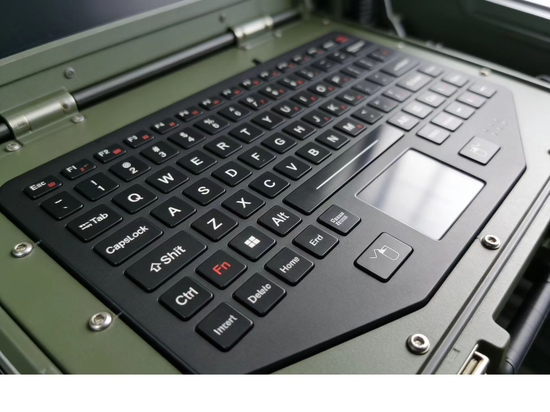
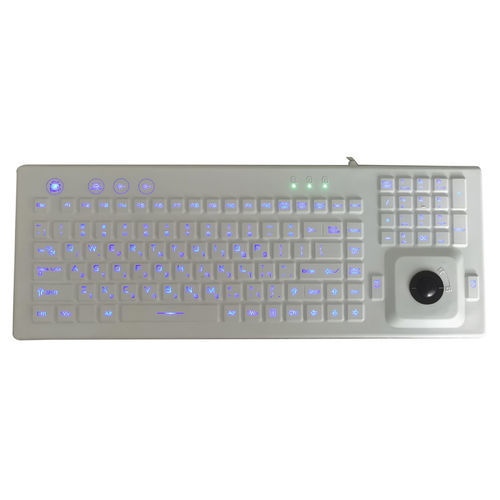
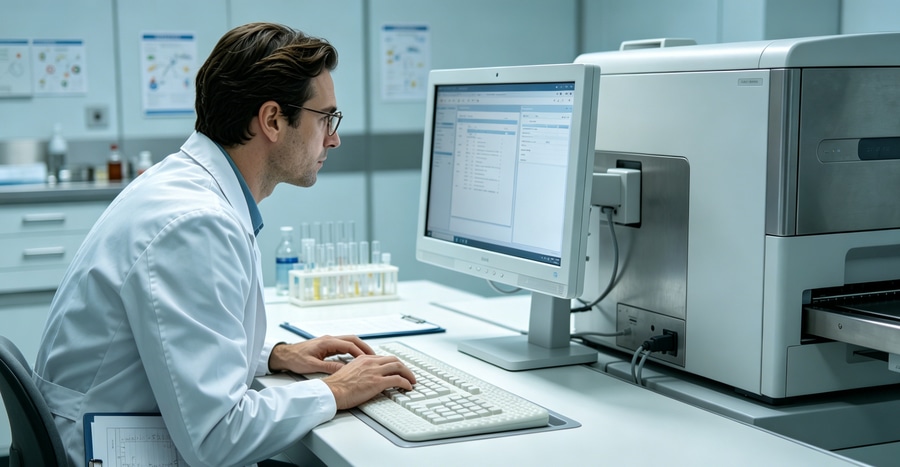
A silicone keyboard is a fully sealed input device made from medical‑ or industrial‑grade silicone. Unlike traditional plastic keyboards, it has no gaps or seams, making it resistant to water, dust, chemicals, and frequent cleaning. Thanks to the flexibility of silicone, some models can even be rolled up for easy storage and transport – an advantage for mobile workstations or field use.
Why medical environments need silicone keyboards
Infection control is critical in healthcare. Standard keyboards can harbour bacteria and are difficult to disinfect. Studies have shown that high‑touch surfaces like computer keyboards and mice can contribute to hospital‑acquired infections. Silicone keyboards solve these problems:
Fully washable & disinfectable – IP65 to IP68 rated, meaning they can be wiped, hosed down, or even submerged in disinfectant solutions.
Chemical resistant – Withstand repeated exposure to alcohol, chlorine‑based disinfectants, hydrogen peroxide, and other common cleaning agents without cracking or degrading.
Antimicrobial options – Some models incorporate silver ion or other antimicrobial additives directly into the silicone, providing passive, continuous microbial reduction.
Clean‑mode lock – Prevents accidental keystrokes during wiping, avoiding unintended commands in critical care settings.
Common uses: hospital carts, operating rooms, ICUs, laboratories, dental clinics, pharmacies, dialysis centres. As the global ageing population grows and same‑day surgeries increase, silicone keyboards are being rapidly deployed at bedside terminals and mobile nursing workstations.
Why industrial settings rely on silicone keyboards
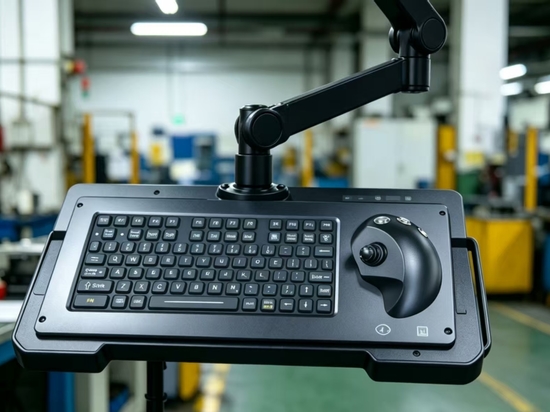
Factories, mines, and workshops expose keyboards to dust, oil, coolant, vibration, and extreme temperatures. Ordinary keyboards often fail within weeks – sometimes days – under such conditions. Silicone keyboards are built for these challenges:
High ingress protection – IP65 to IP68 (dust‑tight and hose‑down safe). Even IP69K options are available for high‑pressure, high‑temperature washdowns.
Wide temperature range – from -40°C to +80°C, suitable for cold storage facilities and hot foundries alike.
Chemical & oil resistant – Unaffected by most industrial fluids, including lubricants, cutting oils, and solvents.
Long lifespan – >10 million keystrokes, >20,000 hours MTBF (mean time between failures), significantly reducing maintenance downtime.
Explosion‑proof options – ATEX Zone 1/2, IECEx, and other certifications available for hazardous areas such as oil refineries, chemical plants, and grain elevators.
Specialised applications
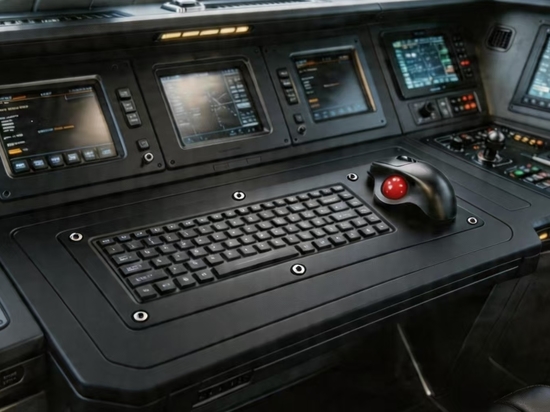
Marine & offshore – Withstand salt spray, humidity, and vibration (MIL‑STD‑810H compliant). Sealed silicone keyboards are standard on ship bridges, offshore platforms, and subsea control panels.
Military & defence – EMC compliance (MIL‑STD‑461G), wide operating temperature, and shock/vibration tested for field command posts, armoured vehicles, and drone ground stations.
Food & pharmaceutical – Seamless, easy‑to‑clean surfaces meet GMP hygiene standards. The lack of crevices prevents product residue build‑up, which is critical for food safety and drug manufacturing.
Integrated trackball/touchpad – Space‑saving, glove‑friendly operation. Many industrial silicone keyboards come with a built‑in trackball or touchpad, eliminating the need for a separate mouse in cramped control rooms.
Key trend (2026)
Silicone keyboards are evolving from “rugged only” to rugged + smart – with programmable keys, status indicators, and MES (manufacturing execution system) integration. Some advanced models now feature backlighting for low‑light environments, RFID readers for user authentication, and even embedded sensors that monitor operator fatigue or equipment status. Demand is growing as healthcare infection control and Industry 4.0 automation expand worldwide. In particular, the shift toward smart hospitals and connected factories is driving the need for input devices that are not only durable but also capable of two‑way data communication.
A silicone keyboard is more than just an input device. Its sealed, cleanable, durable design ensures reliable operation where ordinary keyboards cannot survive – from sterile operating rooms to dusty factory floors, from salty ship bridges to explosive‑proof chemical plants. As industries continue to prioritise hygiene, safety, and automation, silicone keyboards will play an increasingly essential role in human‑machine interaction.