#Product Trends
Infrared pyrometry in high-temperature furnaces
Ensuring precision and stability in extreme conditions
Introduction
High-temperature furnaces are essential in the production and transformation of advanced materials such as carbon, graphite, graphene, and technical ceramics. Industrial processes including carbonisation, graphitization, and sintering require extremely accurate and stable temperature monitoring to ensure consistent material quality, optimal energy efficiency, and reliable process control.
These furnaces often operate in controlled atmospheres (nitrogen, argon) or under full vacuum, conditions specifically chosen to avoid oxidation, contamination, or undesired chemical reactions. Because conventional thermocouples become unreliable above ~1700 °C, industries rely on infrared pyrometers, the only practical tools capable of delivering non-contact, high-stability, long-term temperature measurements up to 3200–3500 °C.
Challenges in high-temperature measurement
1. Extreme temperatures up to 3500 °C
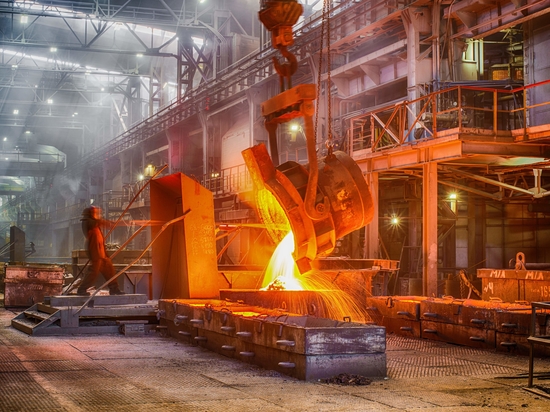
High-temperature equipment—including graphite furnaces, vacuum furnaces, sintering furnaces, controlled atmosphere furnaces, high temperature furnaces, and quenching furnaces—can reach intensities that exceed the limits of contact sensors. Pyrometers must withstand strong thermal radiation while delivering accurate measurements.
2. Controlled atmospheres and vacuum
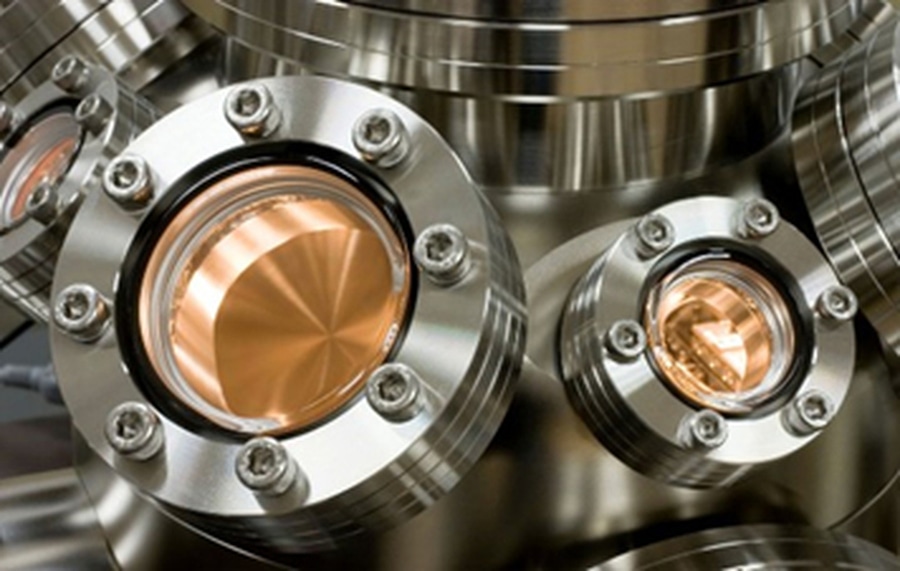
In carbonisation, graphitization, and ceramic sintering, maintaining a clean, stable furnace atmosphere is essential. Measurements must be taken through very small furnace apertures to avoid disturbing the thermal environment.
3. Optical path contamination
eposits, ceramic dust, or residual gases may accumulate on this window. Without compensation methods, these deposits reduce measurement accuracy.
4. Narrow field of view requirements
Processes such as graphite electrode graphitization, graphene precursor treatment, or technical ceramic sintering require precise targeting of very small areas. A pyrometer with a narrow field of view ensures accurate and focused measurements despite the confined geometry of high-temperature furnaces.
Infrared pyrometers: the essential solution for extreme industrial processes
Infrared pyrometers measure thermal radiation emitted by materials inside the furnace, enabling precise, non-contact temperature monitoring. They are essential for:
• Carbonisation at >1100 °C
• Graphitization above 2500 °C
• Sintering of ceramics and high-melting-point metals
• Monitoring in controlled atmosphere furnaces
• Temperature control in vacuum furnaces
• Precise targeting in graphite furnaces
• High stability in high temperature furnaces
• Pre- and post-heating evaluation in quenching furnaces
Infrared pyrometers are the only reliable technology capable of continuous monitoring in temperatures reaching 3000–3500 °C.
CellaFurnace PX 46: precision pyrometer for harsh high-temperature furnaces
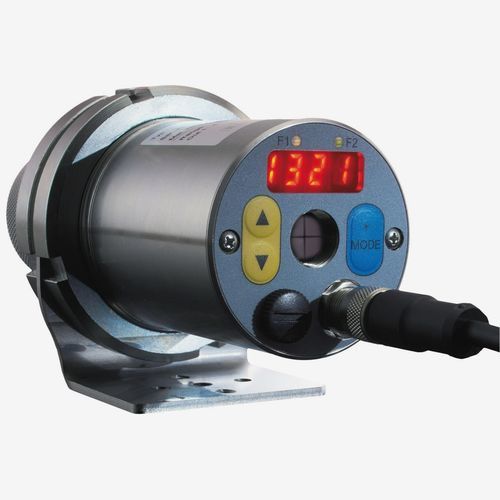
Developed by KELLER ITS, the CellaFurnace PX 46 is specifically engineered for the challenges of high-temperature furnace applications involving carbon materials, graphite components, graphene manufacturing, and technical ceramics.
Key Advantages (USPs)
• Narrow field of view
Enables precise measurement through very small furnace openings.
• High temperature stability across the full measuring range
Ensures reliability during long production cycles.
• 2-color technology for harsh industrial environments
Compensates for contamination or partial obstruction of the optical path.
• Measurement capability up to 3200 °C
Ideal for graphitization, carbonization, crystal growth, and ceramic sintering
The PX 46 delivers stable, repeatable measurements even in demanding conditions with high optical interference or heavy contamination.
CellaTemp PA 35: ultra-high-temperature pyrometer up to 3500 °C
For applications beyond the upper limits of standard pyrometers, the CellaTemp PA 35 provides unmatched performance:
Key Advantages (USPs)
• Short-wavelength infrared measurement
Offers superior accuracy at very high temperatures.
• Measurement capability up to 3500 °C
Perfect for extreme graphitization, refractory sintering, plasma-assisted heating, and ultra-high-temperature furnaces.
The PA 35 is the reference solution for industries requiring precise thermal control at the top end of the temperature spectrum.
Application Example: temperature monitoring in graphite production
Graphitization is a critical process for producing high-purity graphite used in electrodes, batteries, thermal management systems, and various high-performance carbon products. Temperature precision is essential to achieve the required degree of crystallinity and mechanical strength.
Using a CellaFurnace PX 46:
• The pyrometer is mounted behind a small quartz window to protect its optics.
• The 2-color measurement compensates for contamination accumulating on the window during long furnace cycles.
• The narrow field of view allows precise targeting inside confined furnace chambers.
• Continuous temperature monitoring ensures stable graphitization conditions between 2000 °C and 3000 °C.
For processes requiring temperatures approaching 3500 °C, the CellaTemp PA 35 is the recommended solution.
Conclusion
Accurate temperature monitoring in high-temperature furnaces is essential for industries working with carbon, graphite, graphene, and technical ceramics. Whether in controlled atmosphere furnaces, vacuum furnaces, graphite furnaces, sintering furnaces, or quenching furnaces, infrared pyrometers provide precise and reliable measurements required for stable industrial processes.
The CellaFurnace PX 46 and CellaTemp PA 35 from KELLER ITS offer unmatched robustness, long-term stability, and high accuracy—making them indispensable tools for temperature measurement in the most extreme industrial environments.