#Product Trends
CellaCast: Non-contact temperature measurement for foundries
Monitor molten iron and steel during transfer and pouring to support consistent casting quality and better process documentation.
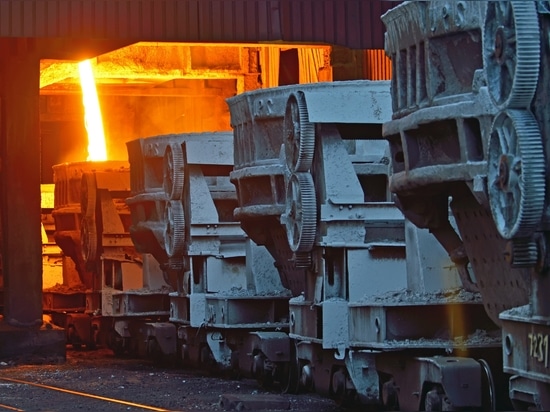
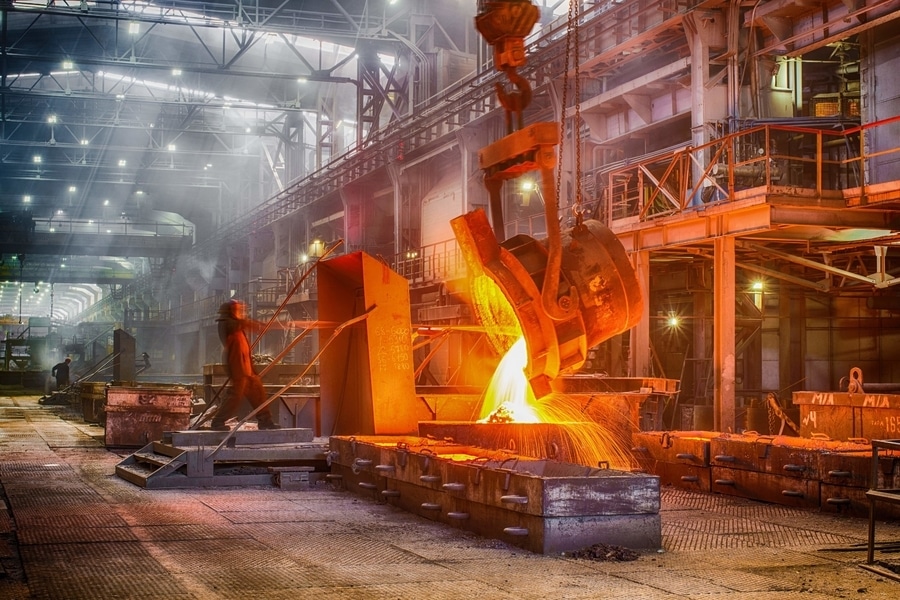
In a foundry, temperature at the point of pouring directly influences mould filling and casting quality. Heat loss during transfer and waiting means that a measurement taken at the furnace may not represent the temperature delivered to the mould. KELLER’s CellaCast solution measures accessible molten iron and steel without contact, helping operators monitor these critical process stages.
CellaCast combines two-colour pyrometry with signal evaluation developed for liquid-metal applications. The measurement principle can reduce sensitivity to partial obscuration when both spectral channels are affected similarly and sufficient signal remains. Application-specific evaluation helps identify useful readings from exposed metal. A clear view of suitable metal is still essential: the system does not measure through a continuous slag layer.
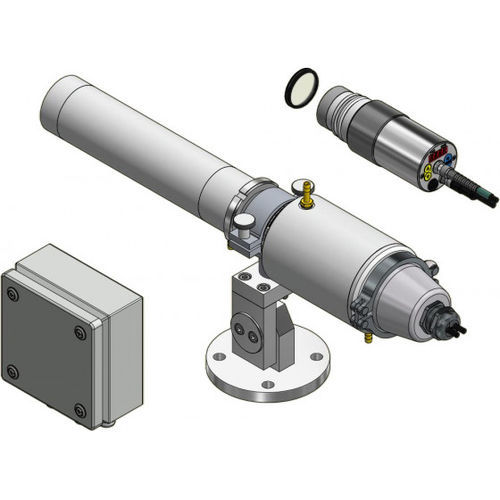
Different optical configurations address different foundry tasks. The CellaCast PX 80 is designed for exposed melt in runners and transfer applications. For automatic pouring, the CellaCast PX 83 features a rectangular measuring field that accommodates changes in the pouring stream’s position. This helps maintain measurement as the stream moves within the specified field, for example when a ladle tilts.
Automatic Temperature Detection, or ATD, evaluates intermittent pouring sequences. Valid temperature results can be transferred to a plant acquisition system and associated with the relevant mould or casting. This supports temperature-limit monitoring, process analysis and production documentation.
Through-the-lens sighting or an optional colour video camera assists alignment on compatible configurations. The camera allows operators to observe the target and measuring-field position remotely. CellaCast PX instruments also provide IO-Link connectivity for integration into automation systems.
The complete installation is selected around the measurement task, including working distance, stream dimensions, ambient conditions and required protection. Suitable mounting, air purge and cooling arrangements help keep the optical path usable in the foundry environment.
Contact KELLER to discuss your alloy, pouring process and installation conditions, and identify the appropriate CellaCast configuration.