#Industry News
New ISO 20999
Determination of total halogens in textile products using combustion ion chromatography (CIC)
Per- and polyfluoroalkyl substances (PFAS) have historically been used in textiles for their water-repellant and stain-resistant properties. However, such textiles may release PFAS into the environment during washing or improper disposal. Growing concerns about the persistence of PFAS in the environment has led many manufacturers to replace PFAS or to develop alternative substances.
Regulatory pressure is increasing in parallel. The European Chemicals Agency (ECHA) is proposing a restriction of PFAS in textile products (TULAC) with a maximum total fluorine (TF) content of 50 mg F/kg. The California State Assembly has already enacted a restriction with a maximum total organic fluorine (TOF) content of 100 ppm as of January 1, 2025, which will further be reduced to 50 ppm on January 1, 2027.
These regulatory bodies have selected sum parameters such as total fluorine and total organic fluorine because only a limited number of PFAS can be quantified by targeted analysis using LC-MS/MS or GC-MS/MS. A known limitation of these sum parameters is that contribution from other fluorinated substances, such as biocides, cannot be excluded. Nevertheless, they enable efficient screening of textiles to assess whether further targeted analysis is required.
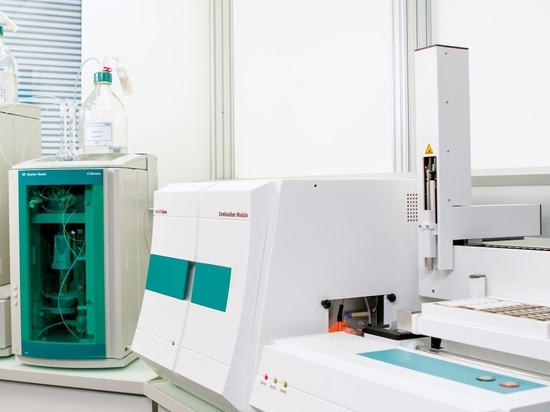
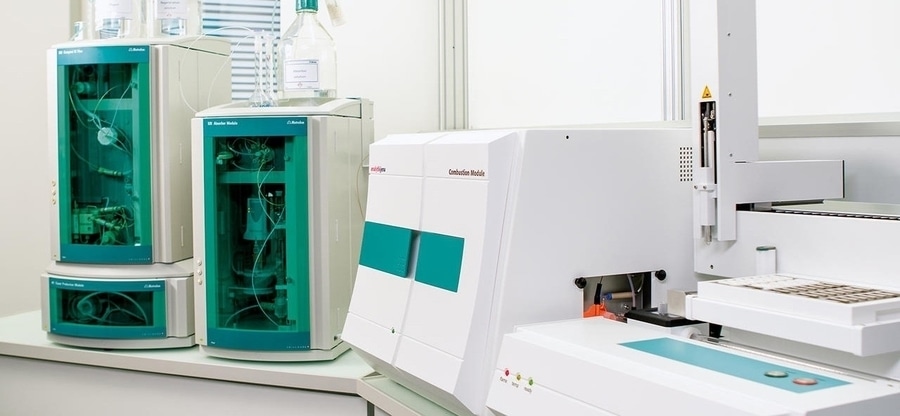
The newly released standard ISO 20999 «Textiles — Determination of total halogens in textile products — Combustion and ion chromatography (CIC) method», provides a standardized procedure for measuring total fluorine in textiles. CIC specialists from Metrohm supported the development of the standard with their expertise. Not only can the total fluorine content be determined with ISO 20999, but also the total chlorine, total bromine, and total iodine content. This further helps assess textile products, e.g., fibers, fabrics, plastic components (including coatings), and wood (pulp) for potential health risks, as increased total chlorine and total bromine content may indicate the presence of flame retardants or biocides.